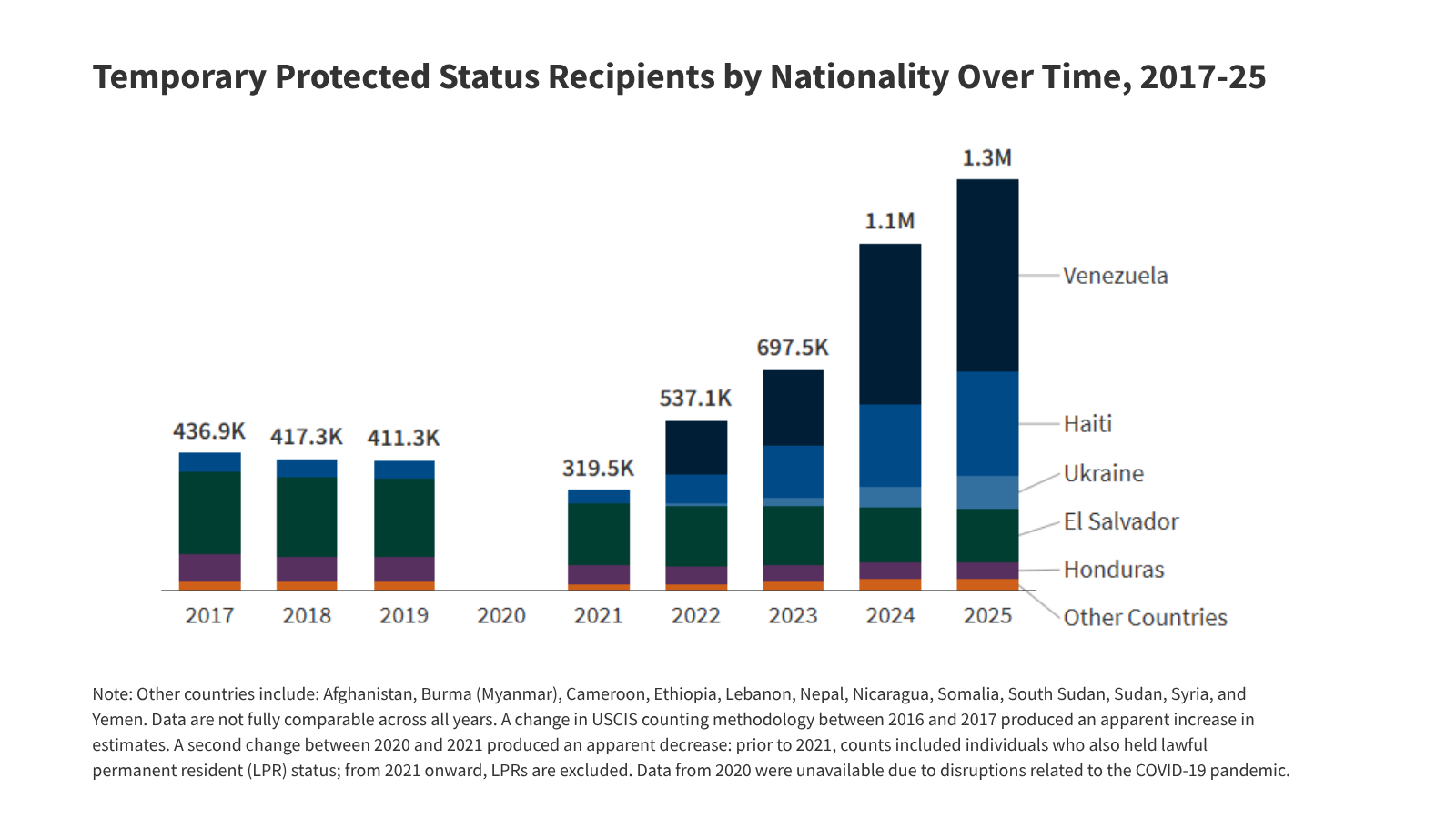
The landscape of humanitarian protection in the United States is undergoing a period of rapid and volatile transformation. For thousands of foreign nationals, the Temporary Protected Status (TPS) program has served as a critical lifeline, offering legal residency and operate authorization to those fleeing armed conflict, environmental disasters, or systemic instability in their home countries. However, recent policy shifts under the current administration have placed these protections in jeopardy, triggering a ripple effect that extends far beyond immigration status and directly into the realm of public health.
As a physician and health journalist, I have observed that immigration status is not merely a legal designation; it is a social determinant of health. When the stability of a person’s legal standing is revoked, the impact is rarely limited to their residency. It manifests as chronic stress, the loss of health insurance, and a sudden, precarious barrier to essential medical care. The current trend of terminating TPS designations is creating a burgeoning health crisis for vulnerable populations who may have spent decades integrating into American communities.
The Temporary Protected Status program, established in 1990, allows the Secretary of Homeland Security to designate a country for TPS if conditions—such as an ongoing epidemic or armed conflict—prevent nationals from returning safely. While this program provides a temporary shield against deportation, the recent wave of terminations has left many wondering what happens next. For those with chronic illnesses, pregnant women, or individuals managing mental health conditions, the answer is often a terrifying descent into medical instability.
The Current State of TPS Terminations
The Trump administration has aggressively targeted TPS designations, viewing many of them as outdated or unnecessary. This shift has transitioned from policy rhetoric to concrete institutional action. In a significant legal development, the U.S. Supreme Court allowed the administration to terminate the Temporary Protected Status of approximately 350,000 Venezuelans according to reporting by Reuters. This move effectively removes the legal shield for one of the largest TPS populations in the country.
Other nations have seen similar actions. Secretary of Homeland Security Kristi Noem published a notice on February 13, 2026, terminating TPS for Yemen, with benefits slated to end 60 days after the notice’s publication in the Federal Register. Similarly, the administration determined that Haiti and Somalia no longer met the conditions for designation. In the case of Somalia, the designation was set to terminate on March 17, 2026, though legal challenges in the District Court have created a complex web of temporary stays and injunctions as detailed by USCIS.
These terminations are not happening in a vacuum. They are part of a broader strategy to review and revoke designations made under previous administrations. For the individuals affected, the loss of TPS means more than just the threat of deportation; it means the immediate loss of a valid Employment Authorization Document (EAD), which is often the primary requirement for maintaining employer-sponsored health insurance.
Direct Impacts on Health Care Access
The correlation between legal status and health outcomes is stark. When an individual loses their TPS status, they often face a “cascading failure” of health supports. The most immediate impact is the loss of health insurance. Given that TPS holders are often employed in sectors without robust safety nets, the loss of work authorization leads to job loss, which in turn leads to the loss of private insurance.
For those who rely on public health insurance, the situation is even more precarious. While some states have expanded their own health coverage to include undocumented residents, many others have strict eligibility requirements tied to legal status. The transition from a TPS holder to an undocumented resident can result in the immediate termination of Medicaid or state-funded health programs. This creates a dangerous gap in care for those managing life-sustaining treatments, such as dialysis or insulin therapy.
Beyond the financial barriers, there is the psychological toll of “immigration-related stress.” The fear of deportation often leads to a phenomenon known as “medical avoidance.” Patients may stop attending regular check-ups or skip necessary medications to avoid detection by authorities. This avoidance frequently results in the exacerbation of manageable conditions, turning routine health issues into emergency room crises. According to a research brief by Physicians for Human Rights, immigration policies and rhetoric can effectively block access to health care by fostering an environment of fear as noted in their April 2025 report.
The Mental Health Crisis of Uncertainty
The instability of TPS status creates a state of chronic hyper-vigilance. For many, the uncertainty of whether they can remain in the U.S. Leads to severe anxiety and clinical depression. This is particularly acute for families with mixed-status households, where the potential separation of parents from children creates profound emotional trauma.
Medical professionals are seeing an increase in psychosomatic symptoms—physical ailments triggered by psychological distress—among TPS populations. When a person’s entire future is decided by a federal register notice, the body reacts. We are seeing higher rates of hypertension and sleep disorders in these communities, not because of a lack of medical knowledge, but because of a systemic environment of instability.
Systemic Risks to Public Health
From a public health perspective, the termination of TPS is counterproductive. Public health relies on the ability of the entire population to access preventative care and screenings. When a significant segment of the population is driven into the shadows, the risk of undetected infectious diseases increases.
Vaccination rates often drop among populations fearing deportation. If individuals are afraid to visit a clinic for a flu shot or a COVID-19 booster because they fear their status will be checked, the overall community immunity is weakened. This creates a vulnerability that affects not just the undocumented, but the general public. The “chilling effect” of restrictive immigration policies effectively dismantles the primary care infrastructure for thousands of people, shifting the burden to overcrowded emergency departments that are ill-equipped to provide long-term preventative care.
The Role of Community Health Centers (CHCs)
In the absence of traditional health insurance, Federally Qualified Health Centers (FQHCs) and community clinics have turn into the last line of defense. These institutions often provide care regardless of a patient’s ability to pay or legal status. However, as more people lose their TPS and flood into these centers, the resources are stretched thin. The increased demand for “safety-net” care without a corresponding increase in funding leads to longer wait times and reduced quality of care for everyone.
Navigating the Legal and Medical Maze
For those currently facing the loss of TPS, the path forward is fraught with complexity. It is essential for affected individuals to seek legal counsel immediately to explore other avenues for residency, such as asylum or family-based petitions. Simultaneously, they must find “safe” medical providers who understand the legal nuances of treating undocumented patients.
Many non-profit organizations and legal aid societies are working to provide guidance on how to maintain health records and transfer care to clinics that do not require proof of legal status. It is critical for patients to retain copies of their medical history, prescriptions, and vaccination records, as these may be difficult to retrieve once a person’s formal link to a healthcare system is severed.
Key Takeaways for Affected Individuals
- Verify Status: Regularly check the USCIS website for official notices regarding your country’s designation.
- Secure Records: Obtain digital and physical copies of all medical records, including chronic condition diagnoses and prescription lists.
- Identify Safety-Net Providers: Locate Federally Qualified Health Centers (FQHCs) in your area that provide care regardless of immigration status.
- Consult Legal Aid: Seek professional immigration counsel to determine if you qualify for other forms of legal protection or residency.
What Happens Next?
The legal battle over TPS is far from over. Multiple states, including California and Novel York, have joined lawsuits challenging the administration’s authority to terminate these designations, arguing that the moves violate the Administrative Procedure Act and cause undue hardship. The courts are currently weighing whether the government’s determination that a country is “safe” is based on factual evidence or political expediency.
The next critical checkpoint will be the ongoing litigation in the U.S. Court of Appeals for the D.C. Circuit, where several consolidated cases regarding the termination of TPS for various nations are being heard. These rulings will determine whether thousands of individuals can maintain their legal status and, by extension, their access to the healthcare system.
As we monitor these legal developments, the medical community must remain committed to the principle that health care is a human right, independent of a passport or a visa. The stability of our public health system depends on our ability to treat the vulnerable without fear.
Do you or a loved one have experience navigating health care while facing changes in immigration status? Share your thoughts and experiences in the comments below to help others find resources and support.