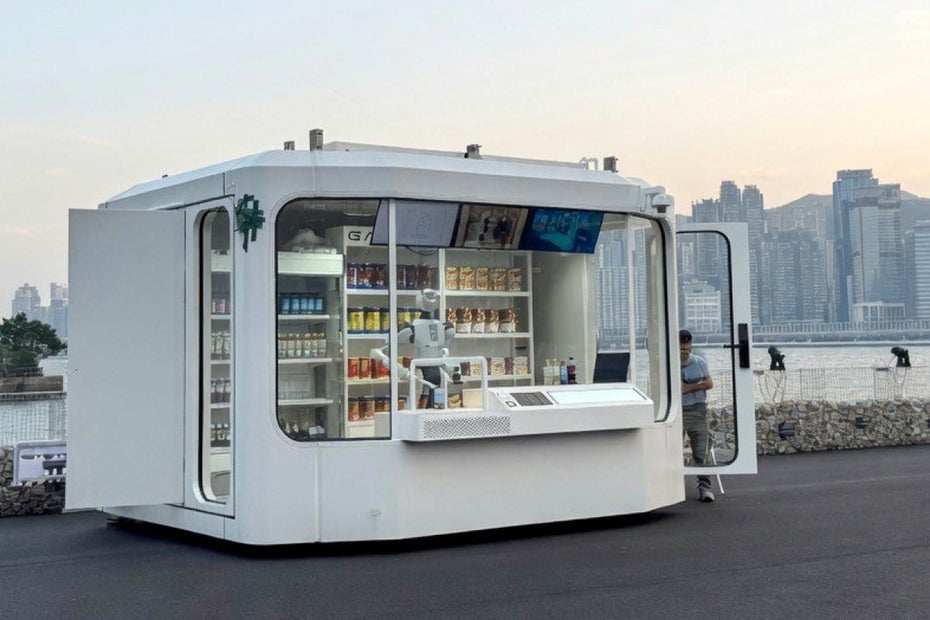
A humanoid robot has begun operating a retail kiosk in Hong Kong, marking a shift in the integration of artificial intelligence into the city’s fast-paced service sector. The deployment, which utilizes a robotic unit to manage customer interactions and sales, serves as a pilot project for a broader expansion plan that aims to establish 100 similar automated retail locations across the region. While the presence of the robot highlights advancements in service automation, observers are closely monitoring the extent of its actual autonomy versus remote-assisted operations.
The transition toward robotic retail in Hong Kong is part of a larger trend in East Asian markets, where labor shortages and rising operational costs have accelerated the adoption of automated kiosks and service bots. According to industry analysis, these systems are typically designed to handle repetitive tasks—such as processing payments, scanning barcodes, and providing basic product information—while human staff focus on logistics and maintenance. The current pilot in Hong Kong is intended to test the operational viability of these units in high-traffic urban environments.
The Operational Scope of AI-Driven Retail
The primary function of the humanoid kiosk involves a combination of computer vision and natural language processing to engage with consumers. Unlike traditional vending machines, which rely on mechanical selection, the humanoid interface is designed to simulate a more personalized shopping experience. However, the level of autonomy remains a subject of technical scrutiny. In many contemporary deployments of this nature, the robot operates within a defined loop of programmed responses, often requiring human intervention via a remote link if the AI encounters a scenario outside its training parameters.
As noted in recent reports on service robotics, the integration of generative AI allows these machines to handle more complex queries than their predecessors. Yet, the physical tasks of restocking shelves and managing cash handling in a kiosk setting still necessitate human oversight. The goal for the 100-store rollout is to optimize this balance, allowing a single human supervisor to potentially monitor multiple robotic kiosks simultaneously, thereby reducing the overhead cost per location.
Scaling the Model: The 100-Kiosk Goal
The ambitious plan to scale to 100 locations reflects a strategic push by the developers to move beyond the experimental phase. Achieving this target requires consistent reliability in both software performance and hardware durability. Retail automation experts point out that the primary challenges for such a rollout include maintaining connectivity in crowded urban areas and ensuring the robot’s physical components, such as actuators and sensors, can withstand continuous daily use without frequent mechanical failure.
The expansion is expected to unfold in stages, starting with high-density transit hubs and commercial districts. By placing these robots in locations where consumers prioritize speed, the developers aim to demonstrate the value proposition of 24/7 automated service. The success of this expansion will likely be measured by customer adoption rates and the reduction in downtime for each unit as the fleet grows.
Technological Hurdles and Future Implications
The deployment of humanoid robots in public spaces raises questions regarding consumer privacy and interaction standards. Because these robots utilize cameras and microphones to function, they must comply with local data protection regulations. In Hong Kong, the Office of the Privacy Commissioner for Personal Data provides guidelines on the use of biometric and surveillance technologies in the workplace and retail spaces. Any large-scale expansion will likely be subject to these regulatory frameworks to ensure that data collected during transactions is handled securely.

Furthermore, the “humanoid” form factor is a deliberate design choice aimed at reducing the “uncanny valley” effect—the discomfort some users feel when interacting with machines that look almost, but not quite, human. By refining the expressive capabilities of the robot’s face and the fluidity of its movements, developers hope to make the technology feel more approachable. Whether this aesthetic choice translates into higher sales compared to standard, non-humanoid kiosks remains a point of investigation for the project’s stakeholders.
As the pilot continues, stakeholders are expected to release data regarding performance metrics and maintenance intervals. The project serves as a practical case study for how AI-driven hardware can fit into the existing retail infrastructure. Interested parties and industry participants should look for upcoming press releases from the developers regarding the timeline for the next phase of the 100-store expansion. Comments and feedback from the public are being monitored by the operating firms to refine the robot’s interaction model as the project scales.