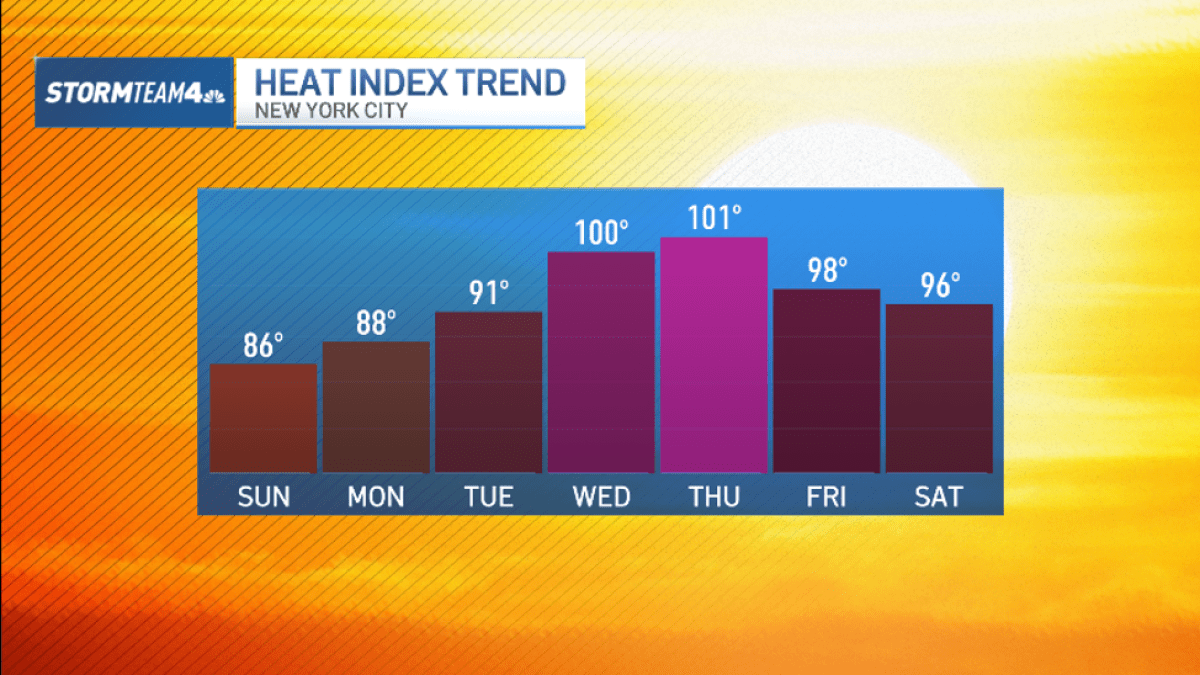
A significant high-pressure ridge is forecast to bring extreme heat across much of the Eastern United States, including the tri-state area, as residents prepare for the July 4th holiday period. Meteorologists from the National Weather Service indicate that a dome of high pressure, currently situated over the Gulf Coast, will expand northward and eastward by mid-week, trapping heat and humidity across a broad region stretching from Texas to the Great Lakes and the Northeast.
The arrival of this weather pattern is expected to produce temperatures in the 80s early in the week, with a sharp increase by Wednesday. According to the National Weather Service office in New York, temperatures in urban centers like New York City are projected to exceed 90 degrees Fahrenheit as humidity levels rise. This combination of heat and moisture is anticipated to push heat index values into the triple digits, creating potentially hazardous conditions for those outdoors.
Regional Impact and Forecast
The intensity of the heat will vary by geography, but the mid-Atlantic region is expected to experience some of the most extreme conditions. In Washington, D.C., and surrounding areas, air temperatures are forecast to potentially reach triple digits by the middle of the week, according to regional National Weather Service climate data. These figures represent the actual air temperature and do not account for the additional impact of high humidity, which will make the air feel significantly warmer.

The “feels like” temperature, or heat index, is a calculation that factors in both ambient air temperature and relative humidity. When humidity is high, the body’s ability to cool itself through the evaporation of sweat is reduced, leading to a higher risk of heat-related illnesses. The current model suggests that Wednesday and Thursday will likely be the most extreme days of the event, with only marginal relief expected as the holiday weekend begins on Saturday, July 4.
Public Safety and Heat Mitigation
Public health officials recommend that individuals take proactive steps to mitigate the risks associated with prolonged exposure to high heat. The Centers for Disease Control and Prevention (CDC) advises maintaining hydration throughout the day, regardless of activity level, and opting for lightweight, light-colored, and breathable clothing to assist the body’s natural cooling processes.
For those who must be outdoors, experts suggest the following precautions:
- Limit outdoor activity to the cooler parts of the day, typically early morning or late evening.
- Seek shade or air-conditioned environments whenever possible.
- Reduce physical exertion to a minimum to prevent heat exhaustion.
- Monitor vulnerable populations, including the elderly, children, and those with underlying health conditions, who are at higher risk for heat-related complications.
The National Weather Service typically issues formal heat advisories or excessive heat warnings when conditions pose a significant threat to public health. Residents are encouraged to monitor their local weather forecasts and official alerts for updates as the dome of high pressure moves into their specific area.
Understanding the Heat Dome Phenomenon
The meteorological event driving this forecast is often described as a “heat dome.” This occurs when a large, persistent area of high pressure remains stationary over a region, acting like a lid on a pot. The high pressure traps heat near the surface and prevents clouds from forming, leading to prolonged exposure to direct sunlight and stable air masses. As this system expands from the Gulf Coast toward the Northeast, it effectively compresses the air, which further warms it as it sinks.
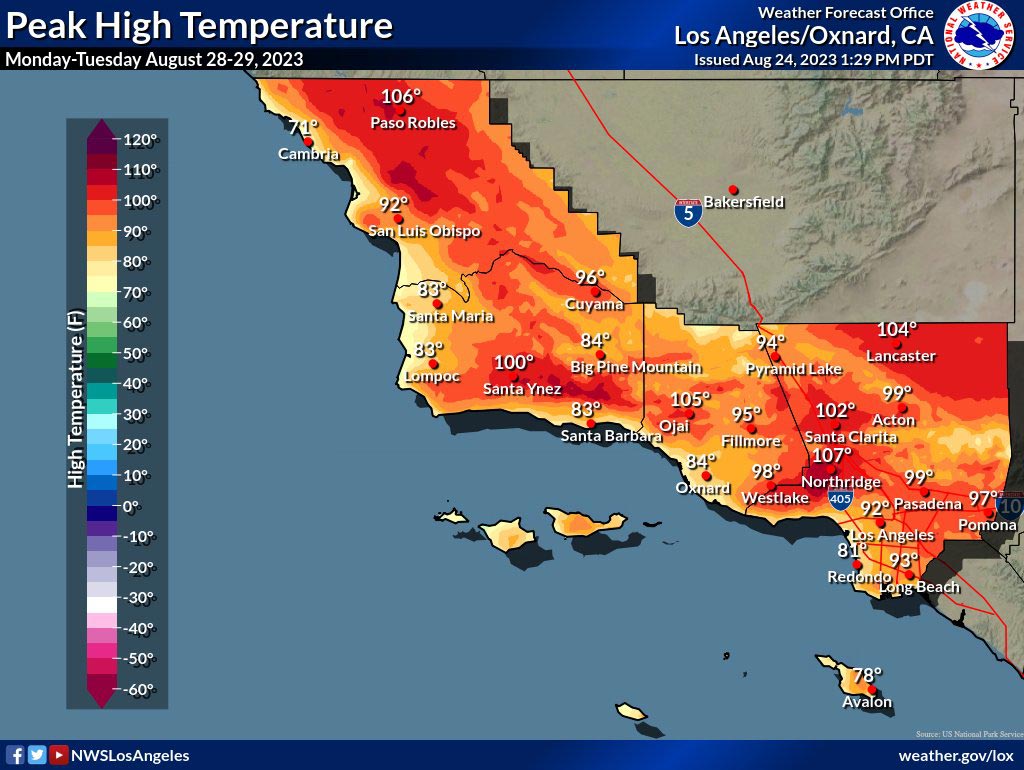
Historical data from the National Oceanic and Atmospheric Administration (NOAA) demonstrates that these high-pressure systems are common during the summer months but can be particularly dangerous when they linger over densely populated areas. The lack of overnight cooling, where temperatures remain high even after sunset, adds to the cumulative stress on both infrastructure and human health.
The next official update regarding the duration and severity of this heat event is expected from the Weather Prediction Center as new data becomes available. Please share your local observations or safety tips in the comments below.
Worth a look
- Chen Peichi Reveals Why She’d Divorce Ko Wen-je and Mentions Chen Hsing-yu and Chao Chien-ming
- Dutch Parliament Commemorates WWII Victims of Former Dutch East Indies
- Europe Battles New Wave of Wildfires Amid Extreme Heatwaves (world-today-news.com)
- Extreme Climate Survival: How People and Animals Adapt (newsdirectory3.com)