The AI Revolution in Healthcare Revenue Cycle Management: Trust, Challenges & Opportunities
The healthcare landscape is undergoing a seismic shift, driven by the rapid integration of artificial intelligence (AI). No longer a futuristic concept, AI is actively reshaping how healthcare organizations approach revenue cycle management (RCM), promising increased efficiency, reduced costs, and improved patient experiences. But how much trust is truly being placed in these new technologies? And what hurdles remain before AI becomes fully embedded in the fabric of healthcare finance?
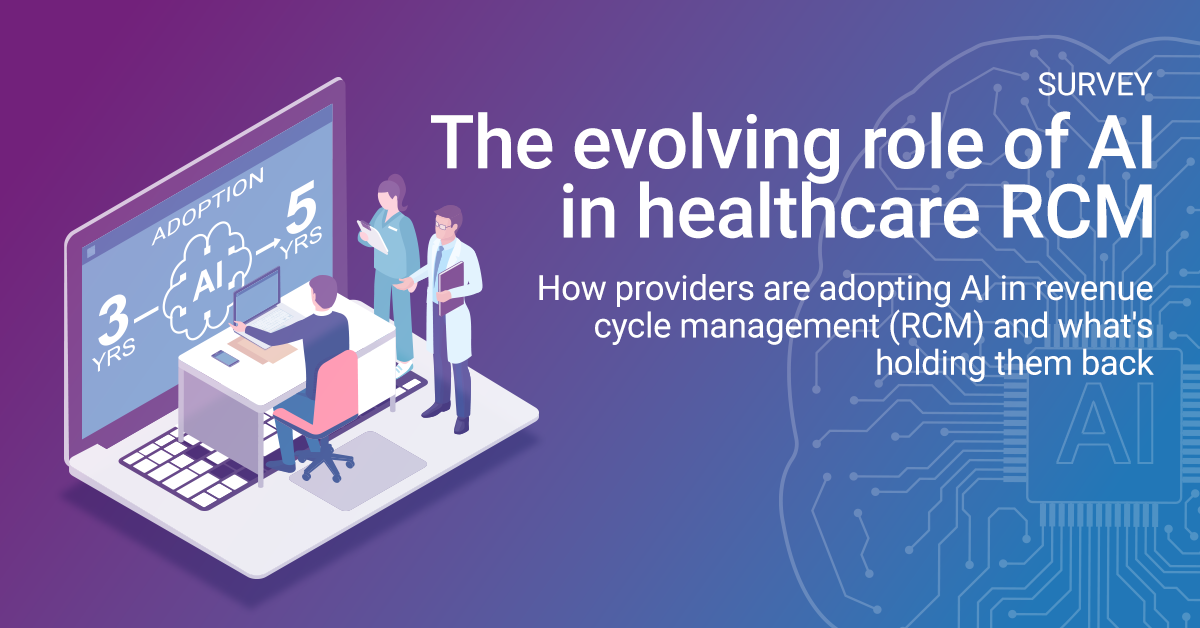
Recent data reveals a growing,though cautious,optimism. A recent October 2025 survey by Experian Health, polling 200 healthcare decision-makers, highlights this evolving viewpoint.While complete reliance on AI for high-stakes decisions is still limited, confidence is demonstrably rising. This article delves into the current state of AI in healthcare RCM, exploring the key challenges, emerging opportunities, and what the future holds for this transformative technology.
Why is AI Gaining Traction in Healthcare RCM?
The pressures facing healthcare providers are immense. Rising operational costs, increasingly complex billing processes, and the constant need to improve patient satisfaction are driving the search for innovative solutions. AI offers a powerful toolkit to address these challenges. Specifically, AI excels at automating repetitive tasks, identifying patterns in data, and predicting potential issues – all crucial components of a healthy RCM process.
Did You Know? According to a report by Grand View Research, the global healthcare AI market is projected to reach $187.95 billion by 2030, growing at a CAGR of 38.4% from 2023 to 2030.
This isn’t just about cost savings.AI can also substantially improve accuracy, leading to fewer claim denials and faster reimbursements. Areas like patient eligibility verification, a traditionally manual and error-prone process, are seeing substantial gains through AI-powered automation. But what specific areas are seeing the most impact? Let’s explore.
Key Applications of AI in Healthcare RCM
AI’s potential within RCM extends far beyond simple automation. Here are some of the most impactful applications currently being deployed:
* Automated Eligibility Verification: AI algorithms can instantly verify patient insurance coverage,reducing denials and improving upfront collections. This is a game-changer for streamlining patient access.
* Claim Denial Management: AI can analyze denied claims to identify root causes, predict future denials, and even suggest corrective actions. this proactive approach minimizes revenue leakage.
* Coding & Documentation Improvement: Natural Language Processing (NLP) powered by AI can analyze medical records to ensure accurate coding and complete documentation,maximizing reimbursement potential.
* Predictive Analytics for Patient Financial Obligation: AI can assess a patient’s ability to pay and recommend appropriate payment plans, improving collection rates and patient satisfaction.
* Fraud Detection: AI algorithms can identify suspicious billing patterns and potential fraudulent activities, protecting healthcare organizations from financial losses.
Pro Tip: Don’t try to implement AI across your entire RCM process at once. Start with a pilot project in a specific area, like eligibility verification, to demonstrate value and build internal confidence.
These applications aren’t isolated; they frequently enough work in synergy. For example, accurate eligibility verification feeds into improved coding, which in turn reduces claim denials. This interconnectedness is where the true power of AI in RCM lies. Are you considering implementing AI in your association? What area do you think would yield the biggest return?
Addressing the Challenges: Trust, security & Implementation
Despite the clear benefits, several challenges hinder widespread AI adoption in healthcare RCM.
* Data Privacy & Security: Healthcare data is highly sensitive, and protecting patient privacy is paramount. Ensuring AI systems comply with HIPAA and other regulations is crucial.
* Implementation Costs: Implementing AI solutions can be expensive, requiring notable investment in software, hardware, and training.
* Lack of Trust & transparency: Many healthcare professionals are hesitant to trust AI systems, particularly when it comes to complex decision-making. “Black box” algorithms, where the reasoning behind a decision is unclear, exacerbate this concern.
* Integration with Existing Systems: Integrating AI solutions with legacy RCM systems can be complex and time-consuming.
* The Need for Human Oversight: AI is a powerful tool, but it’s not a replacement for human expertise. Human oversight is essential to ensure accuracy, address exceptions, and maintain patient
Keep reading
- Airplane Wastewater Serves As Early-Warning System For Global Pathogen Surveillance
- Maine Grassroots Coalition Fights to Save Miles Hospital Labor and Delivery Closure
- Big Tech Firms Commit $1.09 Trillion in Future AI Data Center Leases (archyworldys.com)
- California Billionaire Tax Proposal: Debate Over $100B Healthcare Fund (archynewsy.com)