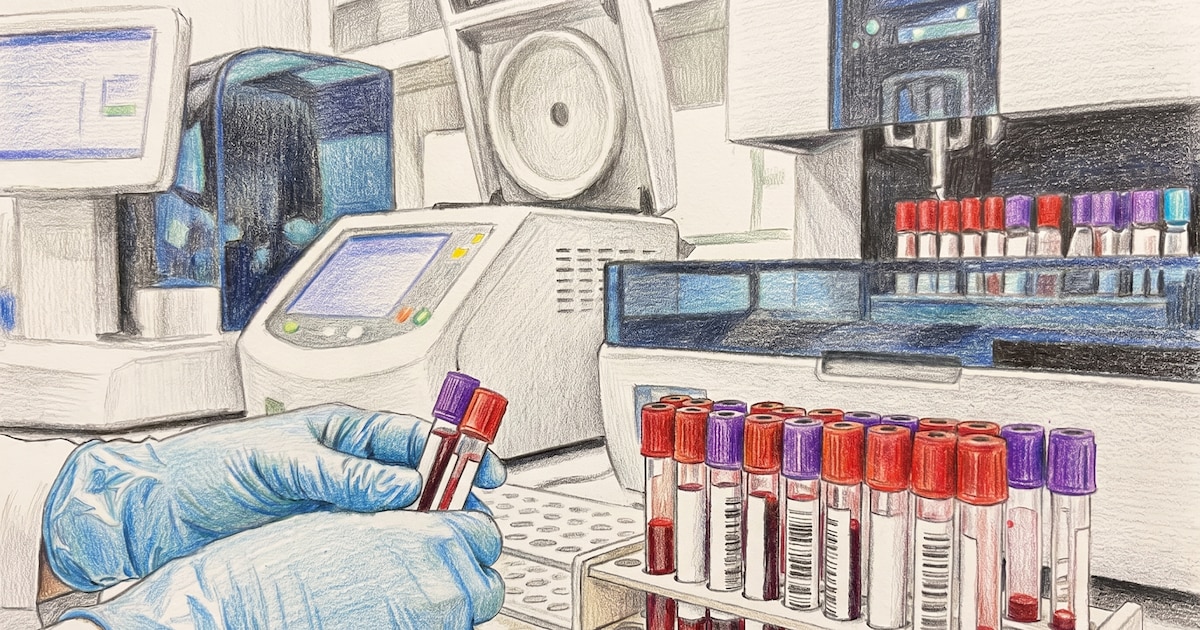
An innovative blood test combined with artificial intelligence could soon transform how clinicians detect early-stage liver cancer, according to recent medical research developments. Developed to address the limitations of traditional diagnostic screening methods, this approach evaluates specific molecular and genetic biomarkers in standard blood samples to identify malignancy long before conventional imaging techniques spot visible tumors.
Dr. Helena Fischer, health editor at World Today Journal, notes that early detection remains one of the most significant challenges in managing hepatic malignancies, which often remain asymptomatic until advanced stages. By harnessing machine learning algorithms to analyze complex biomarker patterns, researchers aim to bridge a critical gap in oncology and public health surveillance for high-risk patients.
Liver cancer, predominantly represented by hepatocellular carcinoma, ranks among the leading causes of cancer-related mortality globally. Conventional surveillance relies heavily on abdominal ultrasound scans and blood tests measuring alpha-fetoprotein levels. However, these standard procedures frequently lack the sensitivity required to catch early tumors in patients with chronic liver disease, cirrhosis, or non-alcoholic fatty liver disease.
How Artificial Intelligence Enhances Blood-Based Diagnostics
The newly studied diagnostic framework uses advanced computational models to process high-dimensional biological data extracted from routine liquid biopsies. When blood plasma is analyzed, machine learning software detects subtle molecular signatures, such as circulating tumor DNA and aberrant protein expressions, that escape human analysis or standard statistical thresholds.
By training algorithms on vast cohorts of patient genomic and proteomic data, the AI models learn to differentiate between benign inflammatory liver conditions and malignant cellular changes with high statistical accuracy. This computational precision reduces false-positive rates, sparing patients from unnecessary invasive biopsies while cutting down diagnostic timelines.
Medical researchers emphasize that integrating machine learning into pathology does not replace physician expertise. Instead, the technology serves as an advanced triage tool, flagging high-risk biological profiles during routine check-ups so that gastroenterologists and oncologists can intervene promptly.
Clinical Implications and Patient Impact
The potential implementation of AI-driven blood screenings carries profound implications for global healthcare systems, particularly in regions with high prevalences of hepatitis B and C infections. When hepatic cancer is identified in its earliest stages, therapeutic options—ranging from surgical resection to localized ablation and targeted therapies—offer significantly higher five-year survival rates.
Patients with chronic liver conditions who undergo routine biannual or annual surveillance stand to benefit the most from non-invasive liquid biopsies. Unlike imaging modalities that require specialized machinery and trained technicians, a simple blood draw can be administered in standard outpatient clinics, broadening access to preventative oncology care.
Health economists and policy experts also point to potential cost reductions. Treating advanced-stage malignancies demands extensive hospitalization, complex surgical interventions, and expensive systemic drug regimens. Catching disease progression early through automated blood analysis could lower long-term treatment expenditures for healthcare providers and insurers alike.
Next Steps and Future Validation
Before these diagnostic blood tests achieve widespread clinical adoption, developers must complete large-scale, prospective multi-center clinical trials to validate their efficacy across diverse patient populations. Regulatory bodies, including international health authorities, will review these validation datasets to ensure analytical validity, clinical sensitivity, and specificity before granting commercial approvals.
Researchers continue to refine the underlying algorithms to incorporate wider demographic variables, ensuring equitable performance across various age groups, genetic backgrounds, and underlying liver disease etiologies. Clinical updates and trial registry postings regarding these validation studies are expected to be published through peer-reviewed medical journals as data become available.
We invite our readers to share their thoughts and perspectives on these developments in the comments section below, and to subscribe to our health newsletter for ongoing updates on medical innovations.
Keep reading