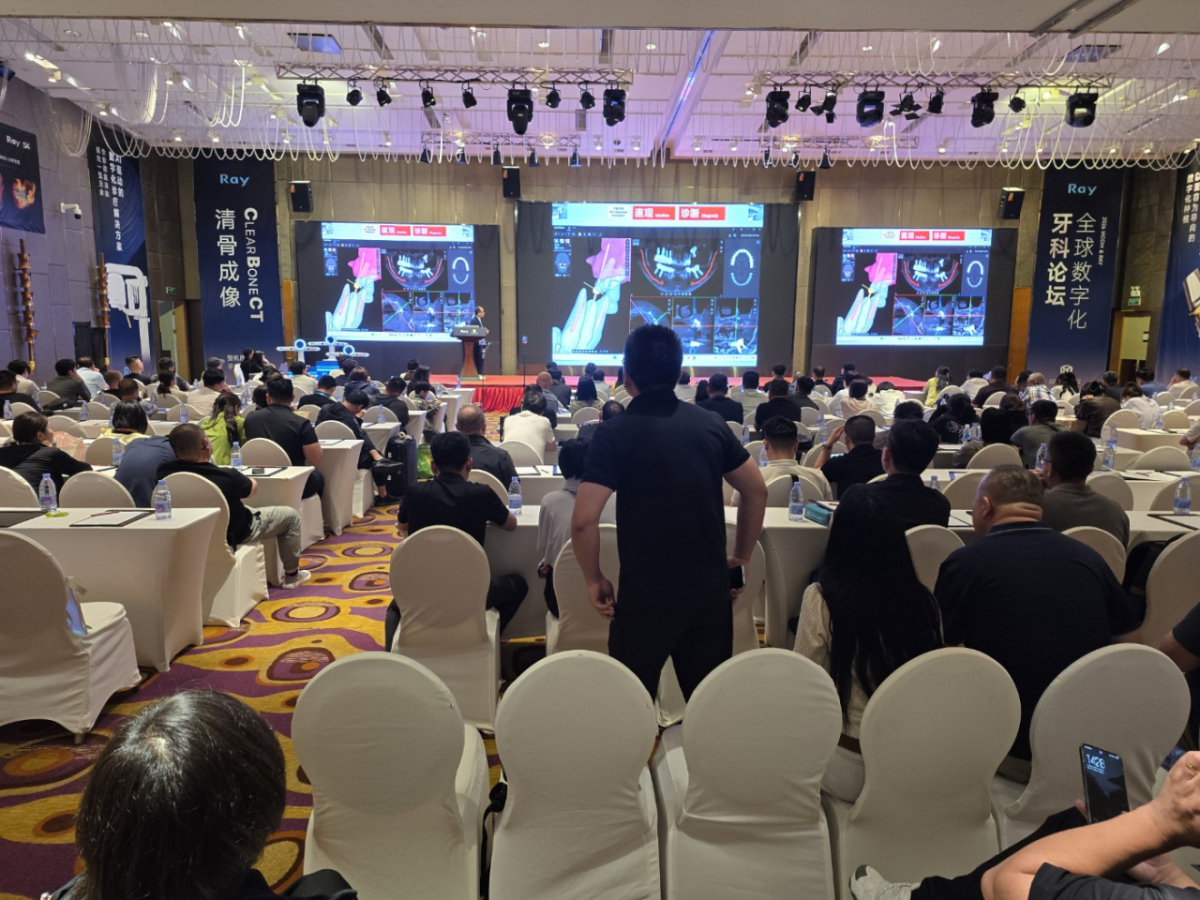
Ray Co., Ltd., a South Korean medical imaging device manufacturer, hosted a symposium in China this month to showcase its latest AI-integrated diagnostic technologies, signaling a strategic push into the country’s high-end digital dentistry market. The event, which gathered approximately 200 dental professionals, highlighted the company’s “5D Clear-Bone CT” solution, a diagnostic system designed to enhance precision in oral imaging through artificial intelligence.
The symposium serves as a focal point for Ray’s broader expansion efforts in the Chinese medical device sector, where the company aims to differentiate itself from competitors by prioritizing technological innovation over lower-cost alternatives. This shift aligns with the growing demand for advanced, AI-driven diagnostic tools among Chinese dental practitioners who are increasingly seeking to improve patient outcomes through high-fidelity imaging.
AI-Driven Diagnostic Solutions for Modern Dentistry
The core of the recent presentation in China was the 5D Clear-Bone CT technology. According to clinical standards in digital dentistry, high-resolution computed tomography is essential for identifying micro-fractures, bone density variations, and nerve proximity in complex oral surgeries. Ray’s integration of AI into this diagnostic workflow is intended to automate the segmentation of complex anatomical structures, reducing the time required for image interpretation while increasing diagnostic accuracy for clinicians.
The move into the premium segment of the Chinese market represents a calculated pivot for Ray. By focusing on high-end imaging, the company is positioning its hardware and software ecosystem to compete with established global medical device manufacturers already present in the region. The emphasis on “technology over price” is a response to the evolving regulatory and clinical landscape in China, where medical facilities are being encouraged to adopt more sophisticated, reliable diagnostic equipment to meet national healthcare modernization goals as outlined by the State Council of the People’s Republic of China regarding medical device standardization.
Strategic Positioning in the Chinese Dental Market
Ray’s strategy involves not only selling hardware but establishing a digital ecosystem that integrates seamlessly with a dental clinic’s existing software. By hosting symposia that invite direct feedback from practitioners, the firm seeks to build a clinical user base that relies on its proprietary software for surgical planning and patient consultation. This approach is consistent with the broader trend of “digital dentistry,” where diagnostic imaging, CAD/CAM design, and additive manufacturing are unified into a single patient-care journey.
The attendance of 200 dental professionals at the symposium indicates a significant level of interest within the regional clinical community. For these practitioners, the adoption of AI-based tools like the 5D Clear-Bone CT is often driven by the need for better preoperative planning in implant dentistry and orthodontics. As global dental technology standards continue to rise, the ability to provide high-quality diagnostic data is becoming a primary competitive advantage for medical device exporters operating in the Asian market.
Industry Context and Future Outlooks
The dental imaging market remains highly competitive, with established players from Europe, Japan, and the United States holding significant market share. Ray’s entry into the premium tier requires consistent demonstration of clinical efficacy and software reliability. Analysts monitoring the sector note that the transition toward AI in dental imaging is no longer a luxury but a standard expectation for premium-level clinics. This shift is supported by global industry benchmarks for medical electrical equipment, which mandate rigorous safety and performance testing for diagnostic imaging systems.
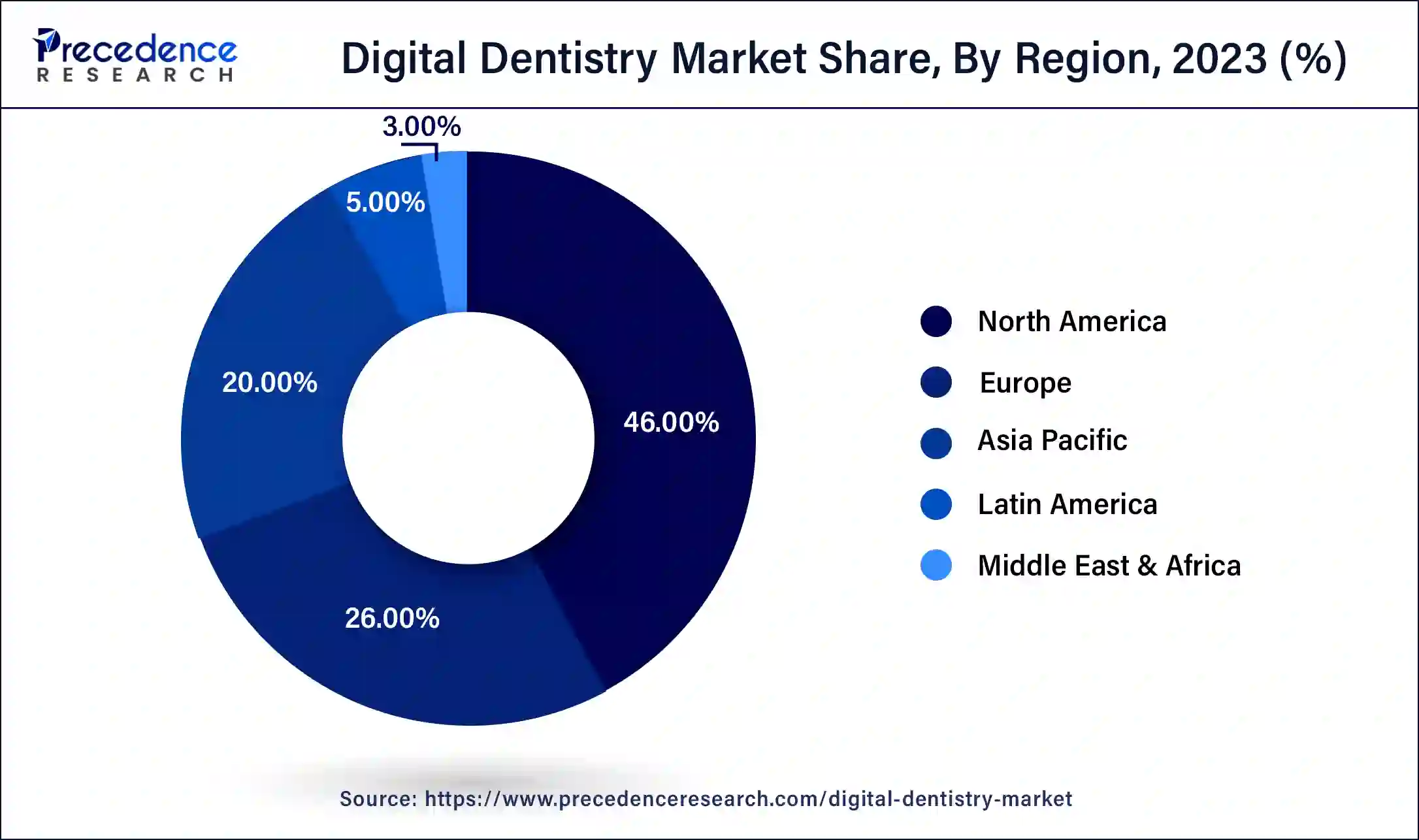
Looking ahead, the next checkpoint for Ray will likely be the rollout of subsequent software updates and the expansion of its distribution network within China’s major metropolitan health hubs. Success in this market often hinges on the ability to maintain long-term support and training for clinicians, ensuring that the advanced features of the AI-integrated systems are fully utilized in daily practice. The company has not yet released specific financial targets regarding its China-based revenue, but the emphasis on high-end market penetration suggests a focus on long-term value rather than short-term volume.
Readers interested in the technical specifications of the 5D Clear-Bone CT or upcoming clinical training sessions should monitor official updates from Ray’s corporate portal. We welcome your insights on the integration of AI in dental diagnostics; please feel free to share your thoughts in the comments section below.
Keep reading