
Artificial intelligence is increasingly being deployed to identify the earliest physiological markers of Alzheimer’s disease, with recent research highlighting the potential to predict risk 8.55 years before clinical diagnosis. By analyzing patterns in retinal imaging and biomarker concentrations, medical researchers are attempting to shift the focus from late-stage symptom management to proactive, early-stage intervention.
As a physician, I have closely followed the evolution of diagnostic tools for neurodegenerative conditions. The integration of machine learning into ophthalmology and neurology represents a significant technological shift in how we approach one of the most challenging diagnoses in clinical practice. While traditional diagnostic methods rely heavily on cognitive assessment and late-stage imaging, these new AI-driven models target systemic indicators that may manifest in the body long before memory loss becomes apparent.
Retinal Imaging and Predictive Modeling
The retina is often described as an extension of the central nervous system, making it a unique window into the brain’s health. Researchers are now using deep learning algorithms to detect subtle vascular and structural changes in the eye that correlate with the onset of Alzheimer’s disease. AI models can identify these micro-anatomic variations with high sensitivity, potentially offering a non-invasive screening tool for asymptomatic individuals.
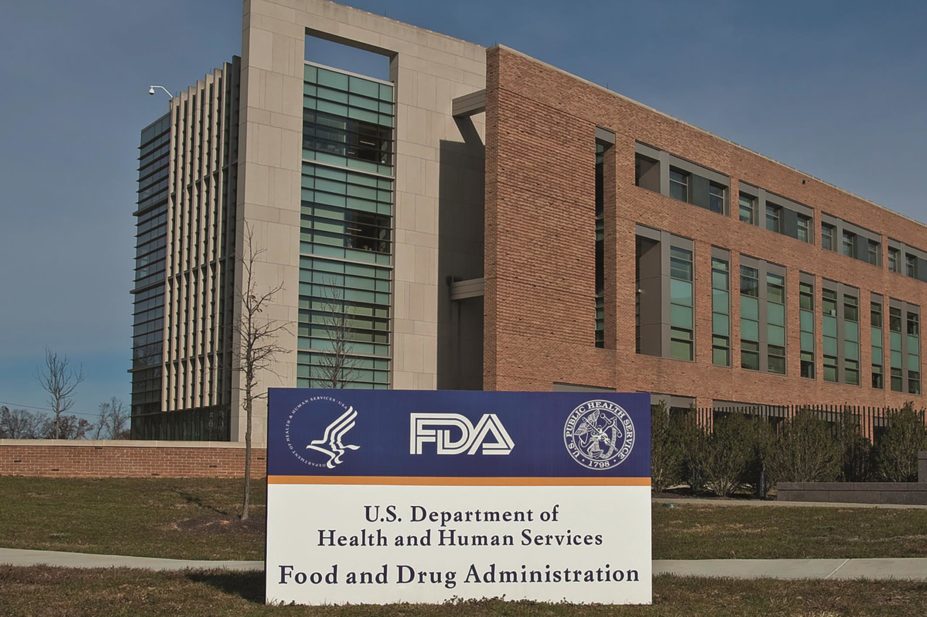
The figure of an 8.55-year lead time in risk prediction often cited in recent medical literature stems from studies that compare AI-processed retinal scans against long-term cognitive health outcomes. By training algorithms on diverse datasets, these systems can distinguish between normal aging processes and the specific neurovascular signatures associated with amyloid-beta accumulation. You can find more information on the current regulatory status of these diagnostic aids through the U.S. Food and Drug Administration’s Digital Health Center of Excellence.
The Role of Biomarkers like pTau217
While imaging provides a structural view, blood-based biomarkers are providing the biochemical data necessary to confirm these predictions. The protein pTau217 has emerged as a particularly strong indicator of tau pathology in the brain. When combined with retinal AI, these biomarkers offer a multi-modal diagnostic approach. The Alzheimer’s Association emphasizes that while these tests are highly accurate in research settings, their transition into routine primary care requires rigorous validation across different demographics.

The competition between imaging-based screening and blood-based testing is not necessarily a zero-sum game. Clinical consensus suggests that the future of Alzheimer’s care will likely involve a tiered approach: an initial, low-cost screening via retinal scan followed by more specific, invasive, or expensive blood and cerebrospinal fluid testing for those identified as high-risk.
Understanding the Clinical Impact
Early detection is only useful if it leads to effective management. With the approval of monoclonal antibody therapies that target amyloid plaques, such as lecanemab, the window for intervention has moved earlier in the disease progression. According to the World Health Organization, dementia affects over 55 million people worldwide, and identifying those at risk years in advance could allow for lifestyle modifications and therapeutic regimens that may delay the onset of severe cognitive impairment.
However, patients and clinicians must remain cautious. An AI prediction of risk is not a clinical diagnosis. The ethical implications of informing a patient about a high risk for a neurodegenerative condition nearly a decade before symptoms appear remain a subject of intense debate within the medical community. The necessity for genetic counseling and psychological support during this process cannot be overstated.
What Happens Next
The path forward involves moving these AI models from controlled research environments into standardized clinical workflows. Regulatory bodies are currently evaluating the evidentiary standards required to approve AI-assisted diagnostic software for Alzheimer’s. The next major milestone will be the completion of multi-center prospective trials, which will determine if these tools can reliably improve patient outcomes in real-world settings rather than just in retrospective data sets.
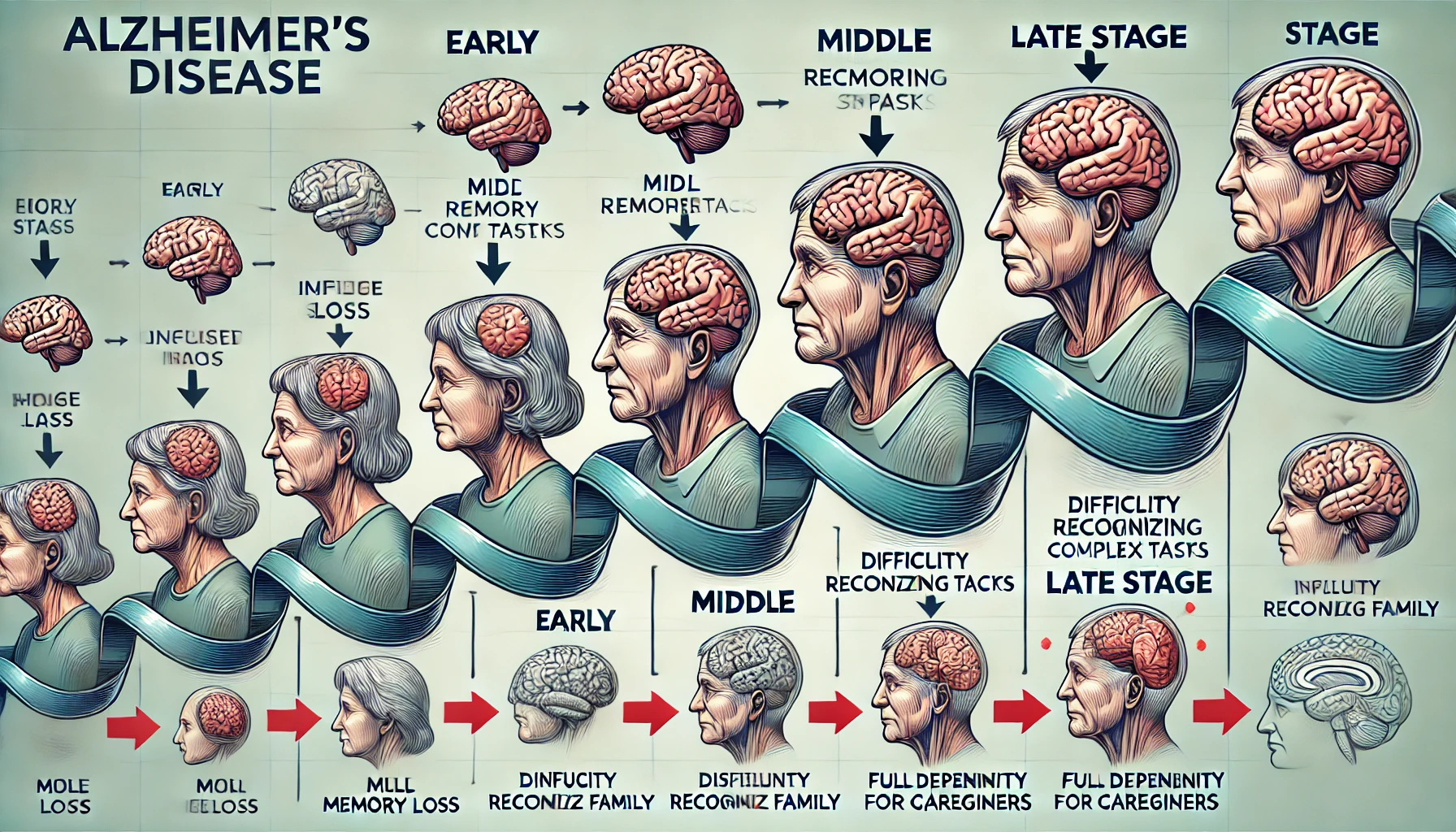
As these technologies continue to develop, I encourage patients to speak with their neurologists about the evolving landscape of diagnostic screenings. Please share your thoughts in the comments section below or join the conversation by sharing this article with your network.
Keep reading