“`html
South Korea’s 2026 AI Budget: Expansion, Focus on Manufacturing, and Concerns Over Implementation
South Korea’s 2026 government budget reflects a significant increase in funding for Artificial Intelligence (AI) research and development (R&D), with a notable emphasis on integrating AI into the manufacturing sector.While the increased investment is generally welcomed, concerns are being raised regarding the effectiveness of budget execution and potential inequities in task allocation. This article provides an overview of the budget, its key features, and the challenges identified by industry experts.
AI as a Central Pillar of Industrial Policy
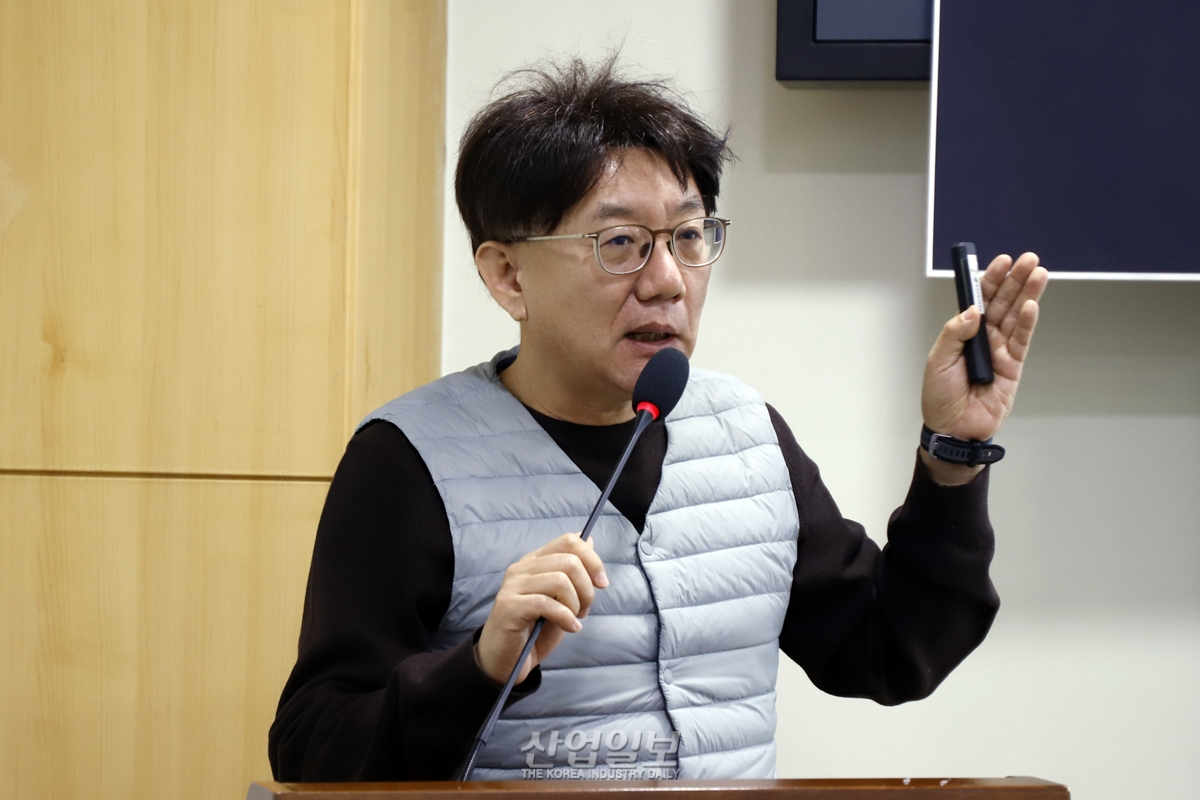
The substantial rise in AI funding reflects a global trend where AI is becoming a foundational element of industrial policy. As LabQ CEO Kim Han-soo explained, AI is now considered as essential as the internet and cloud computing were in previous policy cycles. Korea.kr reports that the government is reorganizing portions of its IT budget under the umbrella of AI and related technologies, signifying this shift.
Focus on Manufacturing AI
A core component of the 2026 budget is the strengthening of AI capabilities within the manufacturing industry.This represents a move beyond general AI research towards practical applications. The expansion of GPU infrastructure is a key element, intended to connect manufacturing facilities with AI technologies. Approximately 50% of the budget allocated to the AI deep tech field is designed to foster industrial-based AI growth. ETNews details the government’s commitment to supporting AI-driven innovation in manufacturing.
Improved Accessibility for Startups
The budget structure appears to offer improved accessibility for startups. A consolidated budget of approximately 3 trillion won, managed by the Ministry of SMEs and Startups, will support around 508 projects thru integrated public notices. This streamlined approach, as noted by Kim Han-soo, provides greater transparency and simplifies the application process. Furthermore,the expansion of career experiance standards to include individuals with less than 10 years of experience opens opportunities for a wider range of applicants. The Ministry of SMEs and Startups website provides details on these support programs.
Challenges in Budget Execution
despite the positive aspects, concerns remain regarding the practical implementation of the AI budget. A recurring issue is the intermittent nature of GPU support, with funding often disconnected at the end of each year. This creates a gap from December to February, posing challenges for long-term AI experiments, particularly in manufacturing.This cyclical funding pattern hinders sustained progress and requires careful planning to mitigate disruptions.
Worth a look