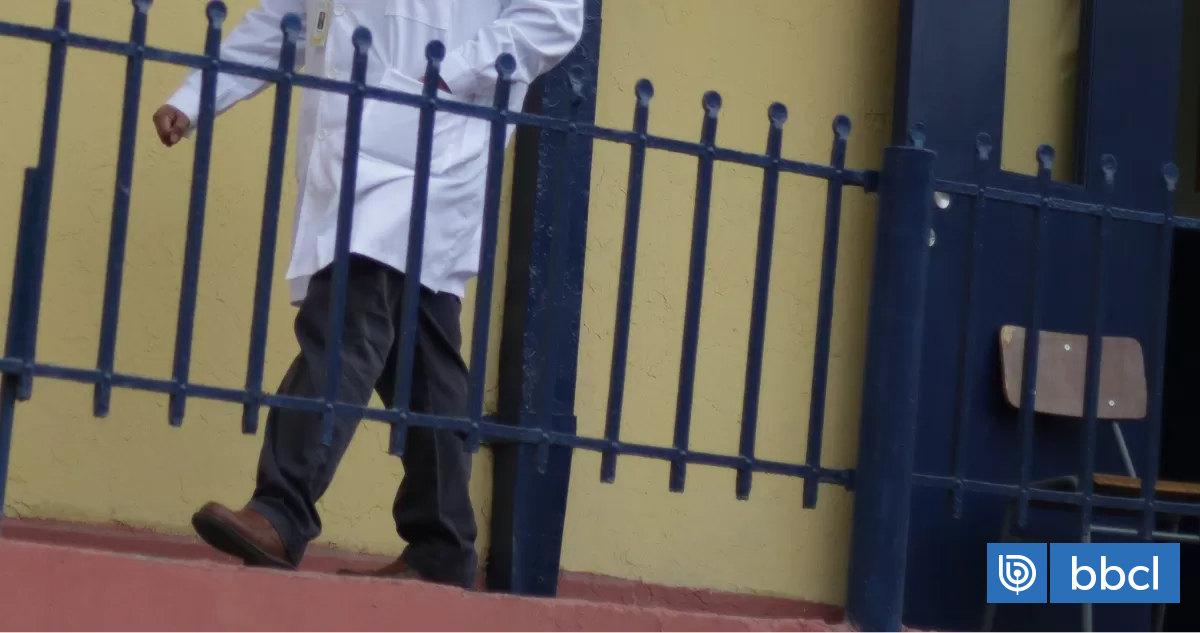
Chile’s Supreme Court has finalized the definitive expulsion of a primary school student who accumulated 42 negative disciplinary records, known locally as “anotaciones negativas,” over the course of a single academic year. The ruling upholds a school’s disciplinary authority while navigating the delicate legal balance between maintaining classroom order and protecting a child’s constitutional right to education under national regulations.
The high court’s decision concludes a contentious legal battle between the educational institution and the student’s family, who had previously challenged the severe sanction through the judicial system. According to court documents reviewed by legal analysts, the accumulation of infractions recorded in the student’s institutional file included severe behavioral disruptions, repeated defiance of authority, and actions that administrators argued compromised the safety and learning environment of other students in the primary cycle.
Educational policy experts note that while Chilean law guarantees access to schooling, private and subsidized institutions retain the right to apply internal regulations—known as the reglamento interno—when students persistently violate behavioral norms. The Supreme Court’s ruling underscores that administrative measures like expulsion are legally permissible as a last resort, provided that schools follow due process and document every step of intervention prior to executing the ultimate sanction.
Understanding the Disciplinary Escalation and Institutional Rulings
The case gained prominence after lower courts reviewed the proportionality of issuing 42 negative remarks within a roughly nine-month school calendar. Each negative entry in the student’s record represented a documented incident of misconduct, ranging from verbal altercations with peers to classroom disobedience. School administrators testified that they had implemented various tiered interventions, including parental meetings, behavioral plans, and psychological support referrals, before resorting to cancellation of enrollment.
Legal challenges filed on behalf of the student argued that permanent expulsion violated statutory educational guarantees by effectively interrupting the child’s foundational schooling without guaranteeing an immediate, equivalent placement. However, appellate and supreme judicial bodies repeatedly found that the institution acted within its established legal framework. The court emphasized that prolonged and unmitigated disruption infringes upon the collective rights of other students to receive instruction in a secure environment.
Under Ministry of Education guidelines, schools must exhaust supportive measures before canceling a contract or expelling a pupil. The administrative record demonstrated that teachers and counselors logged dozens of individual warnings and attempted mediation sessions. These records proved decisive in convincing magistrates that the school had fulfilled its duty of care before executing the expulsion order.
Legal Precedents and the Balance of Rights in Chilean Schools
The Supreme Court ruling reinforces existing jurisprudence regarding the autonomy of school boards to enforce behavioral standards. Educational attorneys point out that while the constitution protects the right to education, it does not exempt minors from adhering to institutional coexistence rules established under national supervisory frameworks.
Parents’ associations and child advocacy groups often express concern over high expulsion rates, arguing that exclusionary discipline can exacerbate behavioral challenges and lead to academic disengagement. Conversely, teachers’ unions and school administration bodies contend that without enforceable consequences for chronic disruption, maintaining order in overcrowded classrooms becomes unmanageable. This tension has prompted ongoing discussions among legislators regarding potential reforms to how schools handle severe disciplinary tracking.
Official educational directives require that affected families receive assistance in finding alternative placement when an expulsion is finalized. Educational authorities coordinate through regional offices to ensure that displaced students are re-enrolled in institutions equipped to offer specialized behavioral support or alternative learning environments.
Next Steps and Official Guidance
Following the Supreme Court’s final resolution, the local educational district is tasked with overseeing the student’s transition to a new scholastic environment. The family, in coordination with regional educational superintendency offices, will review available options for continued enrollment in a program suited to the student’s specific developmental and academic needs.
For official updates regarding student rights, institutional coexistence manuals, and dispute resolution mechanisms, stakeholders can consult resources provided by the Ministerio de Educación de Chile or review regulatory frameworks published by the Superintendencia de Educación.
Worth a look