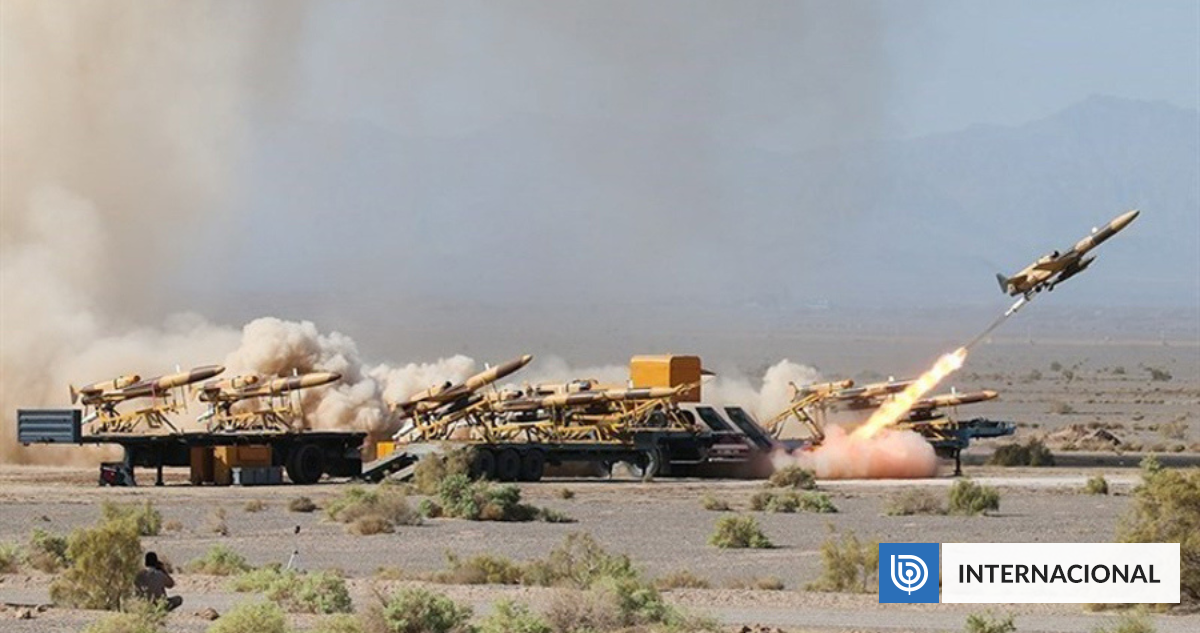
The United States has temporarily paused military strikes against Iran as President Donald Trump signals a preference for a negotiated diplomatic settlement, according to regional and international news reports. The diplomatic pivot follows a tense period of escalating military operations in the Middle East.
This developing situation requires close scrutiny of official statements from Washington, Tehran, and international monitors to determine whether a lasting ceasefire is achievable.
The reported shift in military posture arrives amid ongoing international concern over regional stability, maritime security in the Persian Gulf, and the status of critical shipping lanes such as the Strait of Hormuz. Observers across diplomatic capitals are now weighing whether this pause marks a genuine turning point or merely a tactical regrouping in a broader strategic conflict.
Diplomatic Signals and Strategic Reassessments
President Donald Trump’s inclination toward a diplomatic resolution has prompted regional partners and adversaries alike to reevaluate their next moves. According to reports from Deutsche Welle, military engagements involving U.S. and allied forces have heavily impacted southern regions of Iran, drawing sharp condemnation from Iranian state officials who have alleged serious violations of international law.
Tehran’s leadership has consistently maintained that foreign military operations infringe upon national sovereignty. Iranian state media recently highlighted claims regarding strikes on specific naval infrastructure, including facilities in the northern parts of the country, though independent verification of every tactical claim remains complex amid wartime information controls.
Analysts note that while a pause in aerial bombardments opens a window for backchannel negotiations, deep-seated distrust between Washington and Tehran presents a formidable barrier to formal talks.
Regional Impact and Maritime Security Concerns
The broader theater of operations has heavily affected commercial shipping and energy markets. The Strait of Hormuz remains a focal point for global economic stability, as a significant portion of the world’s petroleum transit passes through the narrow waterway.
Defense analysts emphasize that while the cessation of bombing runs offers temporary relief to civilian populations near impacted sites, military readiness on both sides remains exceptionally high. Intelligence assessments suggest that U.S. forces retain the capability to resume operations immediately should diplomatic talks collapse.
What Happens Next
We will continue to update this developing story as verified information becomes available from official diplomatic and governmental sources.
What are your thoughts on these diplomatic developments? Join the discussion in the comments below and share this report to keep your network informed.
Related reading
- 13 Children Accidentally Consume Edibles at New Jersey Y.M.C.A. Summer Camp – The New York Times
- Riverhounds defeated at home by Rhode Island
- Rescission Packages, Explained: The Route Trump Bypassed (daybreakwire.com)
- Trump’s Luxury Air Force One: Rushed Retrofit Raises Safety and Cost Concerns (archynewsy.com)