
In the hallowed halls of legal academia, where precedent and rigorous interpretation are the gold standards, a provocative experiment recently unfolded in France. The challenge was simple yet profound: rewrite the Universal Declaration of Human Rights for the modern era. The contestants? A group of elite Master’s students in constitutional law from the University of Montpellier, and ChatGPT.
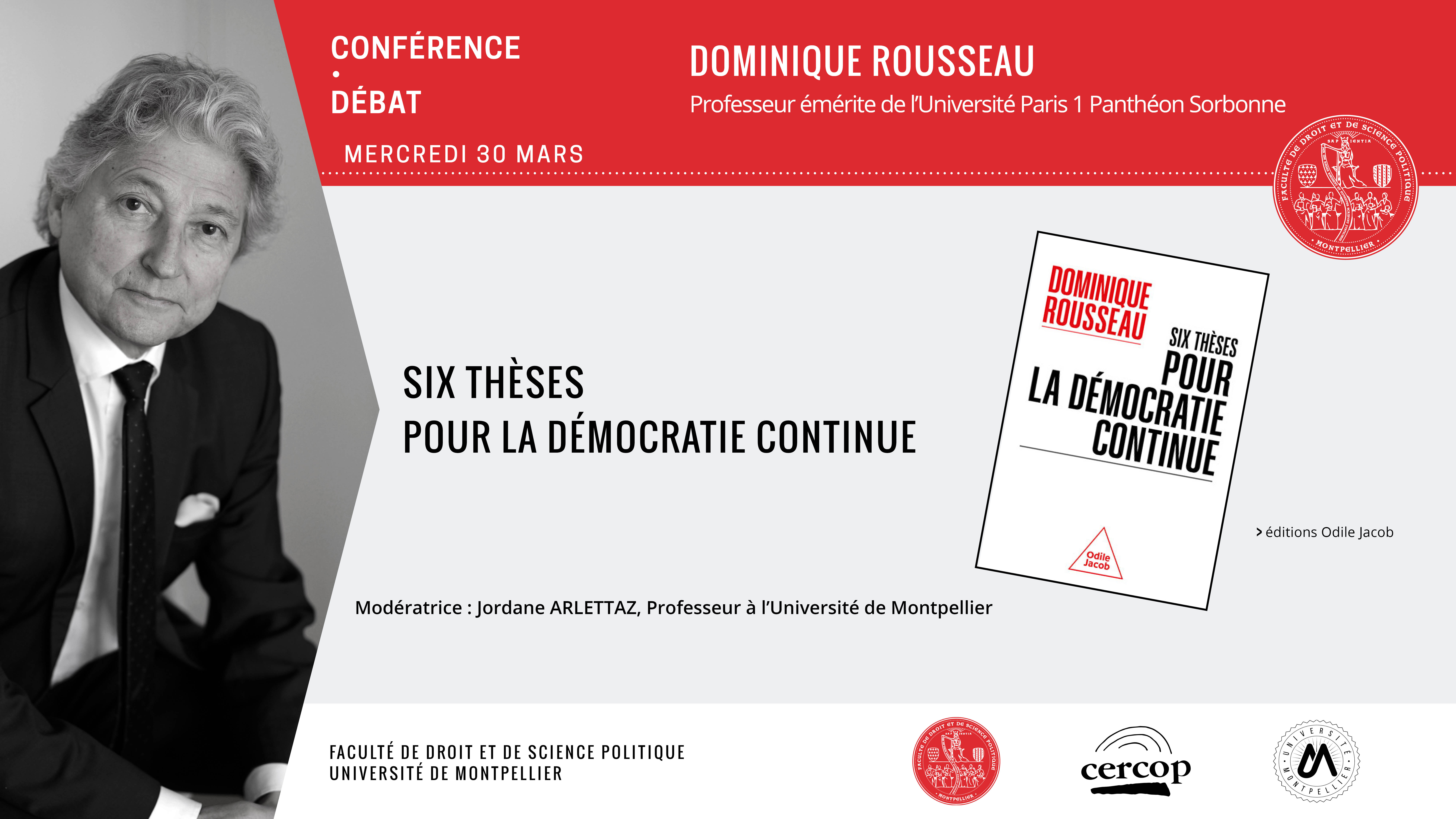
This “clash of intelligences” was not merely a test of speed or vocabulary, but a deep dive into the fundamental nature of legal reasoning. Orchestrated by renowned constitutionalist Professor Dominique Rousseau, the exercise sought to determine if generative artificial intelligence could replicate the nuanced, ethical, and philosophical deliberation required to define human rights in a digital, globalized age.
As a technology journalist with a background in computer science, I find this particular intersection of AI and law fascinating. We are moving past the era of asking if AI can write a brief; we are now asking if AI can conceptualize justice. The results of the Montpellier experiment offer a critical window into the strengths and systemic blind spots of Large Language Models (LLMs) when faced with the complexities of human governance.
The Experiment: Modernizing a Global Pillar
The Universal Declaration of Human Rights, adopted by the United Nations in 1948, serves as the foundational blueprint for international human rights law. However, the world of 1948 did not account for climate change, mass digital surveillance, or the biological engineering of the human genome. Professor Dominique Rousseau recognized that updating such a document requires more than just adding new clauses—it requires a philosophical reassessment of what it means to be human.
The students were tasked with drafting a version of the declaration that reflected contemporary challenges. Simultaneously, ChatGPT was given the same prompt. The goal was to compare the AI’s ability to synthesize existing legal frameworks against the students’ ability to critically analyze and innovate.
For the students, the process involved intense debate, the weighing of conflicting cultural values, and the application of constitutional theory. For the AI, the process was an exercise in probabilistic token prediction—analyzing millions of pages of existing text to generate the most “likely” and “coherent” response to the prompt.
AI’s Efficiency vs. Human Nuance
The immediate result was a stark contrast in delivery. ChatGPT produced a polished, structured, and comprehensive document in seconds. It successfully identified several modern themes, such as the right to digital privacy and environmental protections, demonstrating an impressive ability to aggregate current global discourse.

However, the “intelligence” of the AI proved to be synthetic rather than analytical. While the AI could list the rights that should exist based on current trends, it struggled with the “why” and the “how.” It could not engage in the dialectic process—the act of arguing a point, encountering a counter-argument, and refining a position through intellectual friction.
The law students, conversely, struggled with the sheer volume of information and the slow pace of human consensus. Yet, their output contained something the AI lacked: intentionality. The students’ drafts reflected a conscious effort to protect the vulnerable and a deep understanding of the power dynamics between states and individuals. They didn’t just summarize the current state of human rights; they questioned whether the current framework was sufficient to prevent future atrocities.
Key Differences in Drafting Approach
| Feature | Law Students (Human) | ChatGPT (AI) |
|---|---|---|
| Speed | Slow, iterative, and deliberative | Near-instantaneous |
| Reasoning | Philosophical and critical | Pattern-based and synthetic |
| Nuance | High; considers ethical contradictions | Moderate; tends toward “safe” generalizations |
| Innovation | Driven by societal empathy and logic | Driven by existing data trends |
What This Means for Legal Education
This experiment highlights a pivotal shift in how we must approach legal training. If an AI can produce a “correct-looking” legal document in seconds, the value of a lawyer shifts from the ability to produce text to the ability to audit and critique it. The “clash” in Montpellier suggests that the future of law is not about competing with AI, but about mastering the critical thinking skills that AI cannot simulate.
The ability to detect “hallucinations”—instances where AI confidently asserts a false legal precedent—is now a mandatory skill for the modern practitioner. More importantly, the empathy and moral judgment required to advocate for a client or a marginalized population remain exclusively human domains. AI can simulate the language of rights, but it cannot feel the weight of an injustice.
For students at the University of Montpellier and beyond, the lesson is clear: generative AI is a powerful tool for synthesis and drafting, but We see a dangerous substitute for the intellectual struggle of legal analysis. The “soul” of the law resides in the debate, not the final draft.
The Broader Impact on Human Rights
Beyond the classroom, the exercise raises a sobering question: what happens when AI begins to assist in the actual drafting of legislation or international treaties? If policymakers rely too heavily on the efficiency of LLMs, we risk creating a “beige” legal landscape—laws that are mathematically average and logically coherent, but devoid of the bold, transformative vision that characterized the original 1948 declaration.

The risk is a feedback loop where AI drafts laws based on existing data, and future AI models are trained on those AI-drafted laws, gradually erasing the human-centric nuances and the “productive friction” that allows law to evolve alongside society.
Practical Takeaways for Legal Professionals
- Use AI for Structure, Not Substance: Leverage LLMs to create outlines or summarize vast amounts of case law, but perform the final ethical and legal analysis manually.
- Prioritize Critical Auditing: Treat every AI-generated clause as a hypothesis that must be verified against primary legal sources.
- Embrace the “Slow Law” Movement: Recognize that the most significant legal breakthroughs come from slow, deliberative human debate, not rapid synthesis.
As we look toward the future, the integration of AI in law will likely follow a hybrid model. We will see the rise of the “centaur” lawyer—a professional who combines the processing power of AI with the moral compass and critical rigor of a human scholar. The experiment in Montpellier serves as a timely reminder that while the machine can mimic the form of the law, the spirit of the law remains a human endeavor.
There are no further public hearings or official reports scheduled regarding this specific academic exercise, but the dialogue it sparked is expected to influence pedagogy at the University of Montpellier and other French law faculties throughout the current academic year.
Do you believe AI can ever truly understand “justice,” or is it destined to remain a sophisticated mirror of our own data? Share your thoughts in the comments below.
Worth a look