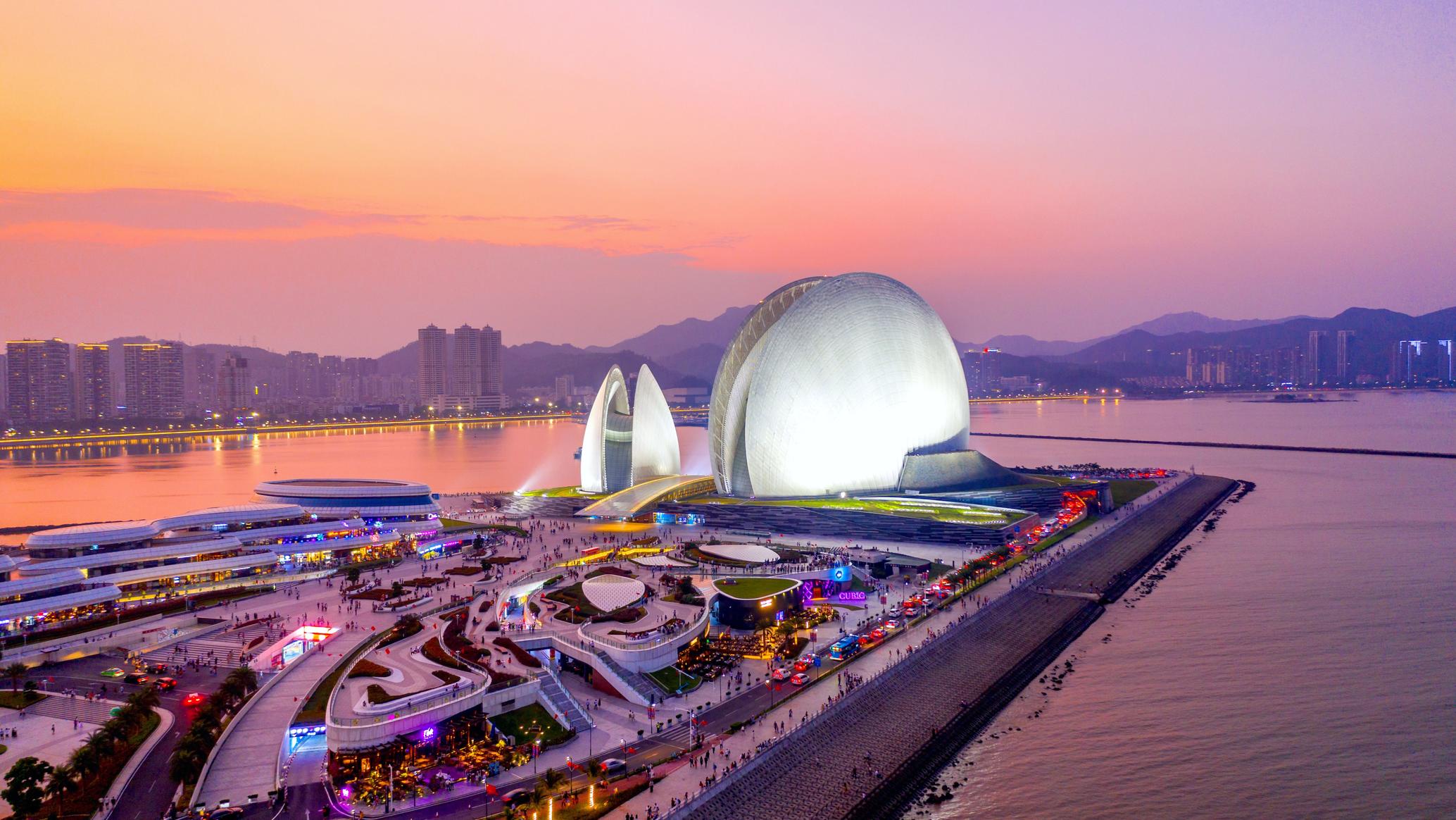
As the travel season accelerates across East Asia, the coastal city of Zhuhai has unveiled eight boutique tourism routes designed to blend high-tech education, architectural marvels, and deep historical roots. The initiative, timed to coincide with the upcoming May 19 China Tourism Day, represents a strategic shift toward “experience-based” travel, moving away from traditional sightseeing in favor of curated thematic journeys.
These new Zhuhai boutique tourism routes are specifically engineered to highlight the city’s unique position within the Greater Bay Area, leveraging its proximity to Hong Kong and Macau. By integrating aviation science, the engineering feat of the Hong Kong-Zhuhai-Macao Bridge, and the ancestral legacy of the Xiangshan region, local authorities aim to attract a more diverse demographic of international and domestic travelers seeking intellectual and cultural enrichment.
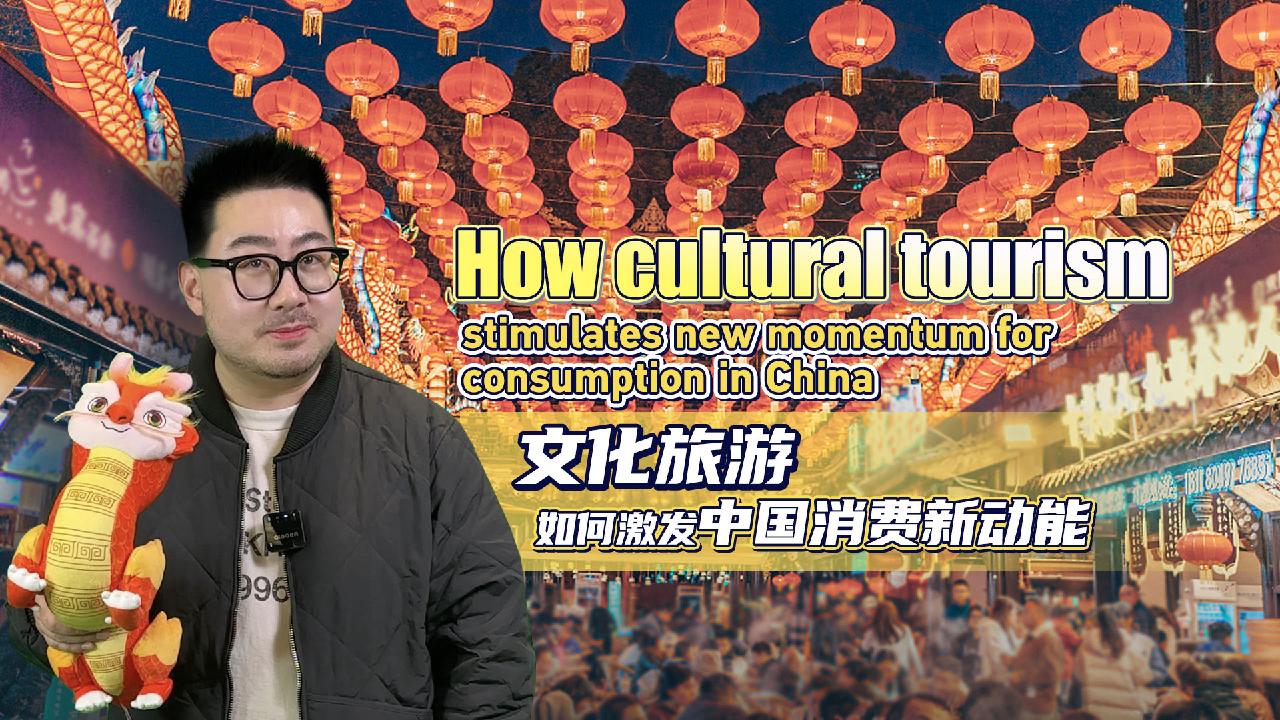
The rollout is not an isolated event but part of a broader national trend of “cultural-tourism integration” (文旅融合). Across China, from the industrial hubs of Beijing to the scenic highlands of Jiangxi, regional governments are deploying digital art, immersive performances, and specialized itineraries to revitalize local economies. This coordinated push ahead of China Tourism Day underscores a national effort to modernize the tourism sector through technology and storytelling.
For global travelers and investors, these developments signal a maturing tourism market in China that prioritizes high-value, niche experiences over mass tourism. The focus on “boutique” routes suggests a move toward sustainable, higher-spending visitor profiles who are interested in the intersection of China’s rapid modernization and its preserved heritage.
Zhuhai’s Strategic Pivot: Aviation, Architecture, and Ancestry
The centerpiece of Zhuhai’s new tourism strategy is the creation of eight specialized routes that categorize the city’s assets into digestible themes. Among the most prominent is the aviation science route, which capitalizes on Zhuhai’s reputation as a hub for aerospace. This itinerary focuses on aviation education (航空科普), guiding visitors through facilities that showcase the evolution of flight and the city’s connection to the prestigious China International Aviation & Aerospace Exhibition (Airshow China).
Complementing the high-tech appeal is the “Bridge Sightseeing” route (大桥揽胜). This route centers on the Hong Kong-Zhuhai-Macao Bridge, one of the world’s most ambitious engineering projects. Rather than treating the bridge as a mere transit point, the route encourages tourists to appreciate the architectural scale and the logistical complexity of the crossing, integrating viewpoints and transit experiences that highlight the connectivity of the Greater Bay Area.
To balance the modernity of bridges and aircraft, the “Xiangshan Cultural Heritage” route (香山文脉) delves into the city’s historical identity. Xiangshan, the ancient name for the region, carries significant cultural weight, and this route is designed to trace the lineage of local scholars, artists, and the traditional architecture that defines the area’s pre-industrial past. By linking these historical sites, Zhuhai is attempting to create a “cultural corridor” that provides emotional and intellectual depth to the visitor experience.
While the specific details of the remaining five routes focus on ecological preservation, urban leisure, and wellness, the overarching goal remains the same: to transform Zhuhai from a stopover destination into a primary destination. By diversifying the “product” offering, the city is mitigating the risks of seasonal fluctuations and appealing to the “slow travel” movement.
National Momentum: China Tourism Day Celebrations
The launch in Zhuhai is mirrored by significant activities in other provinces as the country prepares for May 19, China Tourism Day. This date serves as a catalyst for regional governments to announce summer promotions and unveil new cultural assets. In Jiangxi Province, the city of Shangrao has officially launched its summer tourism promotion activities, positioning itself as a premier destination for nature-based retreats and traditional Chinese landscapes.

In Beijing, the district of Shijingshan is implementing a strategy termed the “Five New Ideas” (五重新意) to illuminate China Tourism Day. This approach focuses on the urban renewal of industrial spaces, turning former factories and warehouses into cultural hubs. The integration of “tech-enabled” tourism in Shijingshan is designed to attract younger, digitally-native tourists who value “instagrammable” aesthetics combined with industrial history.
A standout addition to the Beijing landscape is the arrival of the China Acrobatics Troupe’s “Nuclear Fusion Field” (核聚场) performance at Shougang Park. Shougang Park, a former steel mill turned public park and Olympic venue, provides a stark, industrial backdrop for this production. The “Nuclear Fusion Field” show is reported to blend traditional acrobatic mastery with cutting-edge digital projections and soundscapes, embodying the “fusion” of old-world skill and new-world technology.
Similarly, in Jiangxi’s Longhu Mountain, a site renowned for its Taoist traditions, the region has introduced a sophisticated water-based light and shadow spectacle titled “Dan Cheng Long Hu, Shui Mo Liu Guang” (丹成龙虎 水墨流光). This performance utilizes the natural topography of the mountain and water systems to create a “living ink painting,” using projection mapping to tell the story of the region’s spiritual and natural history.
The Economics of Experience: Why This Matters
The shift toward boutique routes and immersive shows like those in Shougang Park and Longhu Mountain reflects a broader economic transition within the Chinese service sector. The “experience economy” is replacing the “commodity economy” in tourism. Visitors are no longer satisfied with simply visiting a landmark; they seek a narrative—whether it is the narrative of aviation progress in Zhuhai or the narrative of industrial rebirth in Beijing.

This strategy serves several critical functions for local governments:
- Increased Length of Stay: By creating “routes” rather than “spots,” cities encourage tourists to stay for multiple days to complete an itinerary.
- Diversification of Revenue: Thematic routes allow for the integration of local crafts, specialized dining, and educational workshops, spreading tourism spending across a wider array of small businesses.
- Brand Positioning: Zhuhai is positioning itself as the “intelligent and cultured” gateway to the Greater Bay Area, distinguishing itself from the high-intensity commercialism of Hong Kong or the casino-centric appeal of Macau.
the use of technology—such as the projection mapping in Jiangxi or the digital acrobatics in Beijing—reduces the physical impact on sensitive heritage sites while increasing the visual appeal for a global audience. This “digital layer” allows for the storytelling of complex histories (like the “Xiangshan Cultural Heritage”) in a format that is accessible to non-experts and international visitors.
Practical Outlook for Travelers
For those planning to visit these regions, the window between mid-May and the end of summer is the peak period for these new initiatives. Travelers interested in the Zhuhai boutique routes are encouraged to monitor official municipal tourism portals for updated maps and booking requirements for the aviation and bridge tours, as some sites may require pre-registration for security or capacity reasons.
In Beijing, the Shougang Park events are expected to draw significant crowds, particularly during the weekends following China Tourism Day. Visitors are advised to utilize the city’s integrated transport apps to manage transit to the Shijingshan district, which has seen a surge in foot traffic due to the “Five New Ideas” renewal project.
In Jiangxi, the Longhu Mountain light show is best experienced during the evening hours, and visitors should coordinate their arrival with the summer promotion schedules announced by the Shangrao tourism bureau to take advantage of potential seasonal discounts or bundled packages.
The next confirmed checkpoint for these developments will be the official celebrations on May 19, China Tourism Day, where further details on summer travel incentives and potential new route expansions are expected to be announced by the Ministry of Culture and Tourism.
World Today Journal encourages readers to share their experiences with these new cultural routes in the comments below or share this report with fellow global travelers.