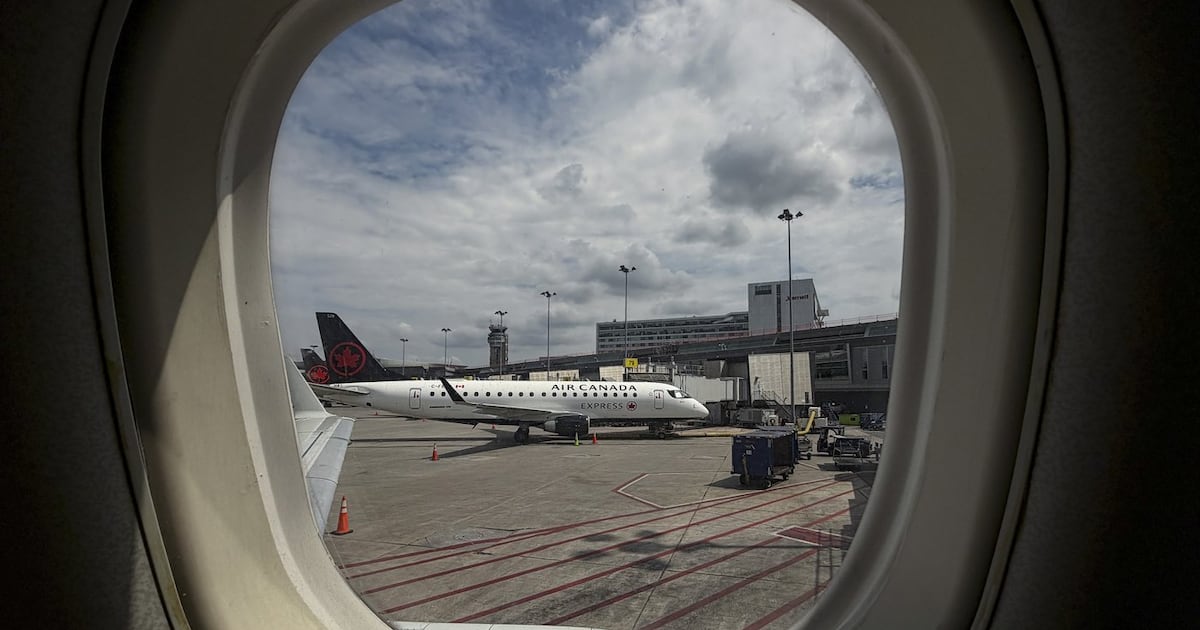
Air Canada has extended the suspension of its flights to and from Tel-Aviv and Dubai until mid-January 2027, citing ongoing security concerns and regional instability in the Middle East. The airline confirmed the decision on August 4, pushing back the previously scheduled resumption date of October 24, 2024, as the carrier continues to monitor the evolving security landscape in the region.
This latest adjustment reflects the airline’s ongoing efforts to manage operational risks in areas affected by regional conflict. The airline has indicated that it will continue to evaluate the situation to determine when services can be safely restored.
Security Environment and Government Advisories
The decision to suspend service aligns with broader concerns regarding the security environment in the Middle East. As reported by PAX Nouvelles, the Canadian government has issued warnings recommending that citizens avoid all non-essential travel to several countries in the region, including Qatar, the United Arab Emirates, Jordan, Oman, and Saudi Arabia. These nations are currently under a level 3 “orange” warning from Global Affairs Canada due to an unstable security situation.
Additionally, the Canadian government maintains a recommendation to avoid all non-essential travel to Israel, explicitly citing the unstable nature of the region. These government-level directives underscore the challenging operational environment that led Air Canada to extend its service pause until January 2027.
Passenger Impact and Booking Options
For passengers affected by these cancellations, Air Canada has implemented a flexible booking policy. Travelers with existing reservations to Tel-Aviv or Dubai have several options, including the ability to modify their travel dates or change their destination without incurring additional fees. According to details shared by PAX Nouvelles, passengers can choose to rebook on later flights, provided there is availability in the original cabin class, or select an alternative itinerary to other destinations in Europe, the United Kingdom, India, or Africa.

The airline also offers financial alternatives for those who choose not to rebook immediately. Passengers may opt to deposit the value of their ticket into an Air Canada “AC Wallet” or request a future travel credit by contacting the airline’s customer service centers. These policies also extend to a wide range of other Middle Eastern destinations, including Amman, Doha, and Riyadh, for tickets purchased by mid-March 2026.
Operational Challenges and Future Outlook
Air Canada has frequently adjusted its flight schedules since early 2024 to account for the volatile situation in the Middle East. The airline’s current strategy focuses on maintaining network flexibility while prioritizing the safety of its passengers and crew. By extending the suspension well into 2027, the carrier aims to provide long-term predictability for travelers and operational staff amidst the unpredictable nature of the regional conflict.

The airline has not announced a specific date for the resumption of service beyond mid-January 2027, noting that any future decisions will depend on the stabilization of regional conditions. Travelers are encouraged to monitor the official Air Canada website for the most current updates regarding travel advisories, flight status changes, and policy modifications.
The airline will continue to monitor geopolitical developments as they unfold. Readers are invited to share their experiences with travel disruptions in the region or ask questions in the comments section below.
Keep reading
- Countering the Gray Zone: Why the U.S. Needs a Whole-of-Government Strategy
- Putin’s “Gaffe” Reveals Massive Russian Military Casualties and Personnel Crisis
- Canada Flight Cancelled After Child Refuses Seatbelt (newsdirectory3.com)
- Slate Deal Paused Until Hawaiian Customer Policy Is Clarified (news-usa.today)