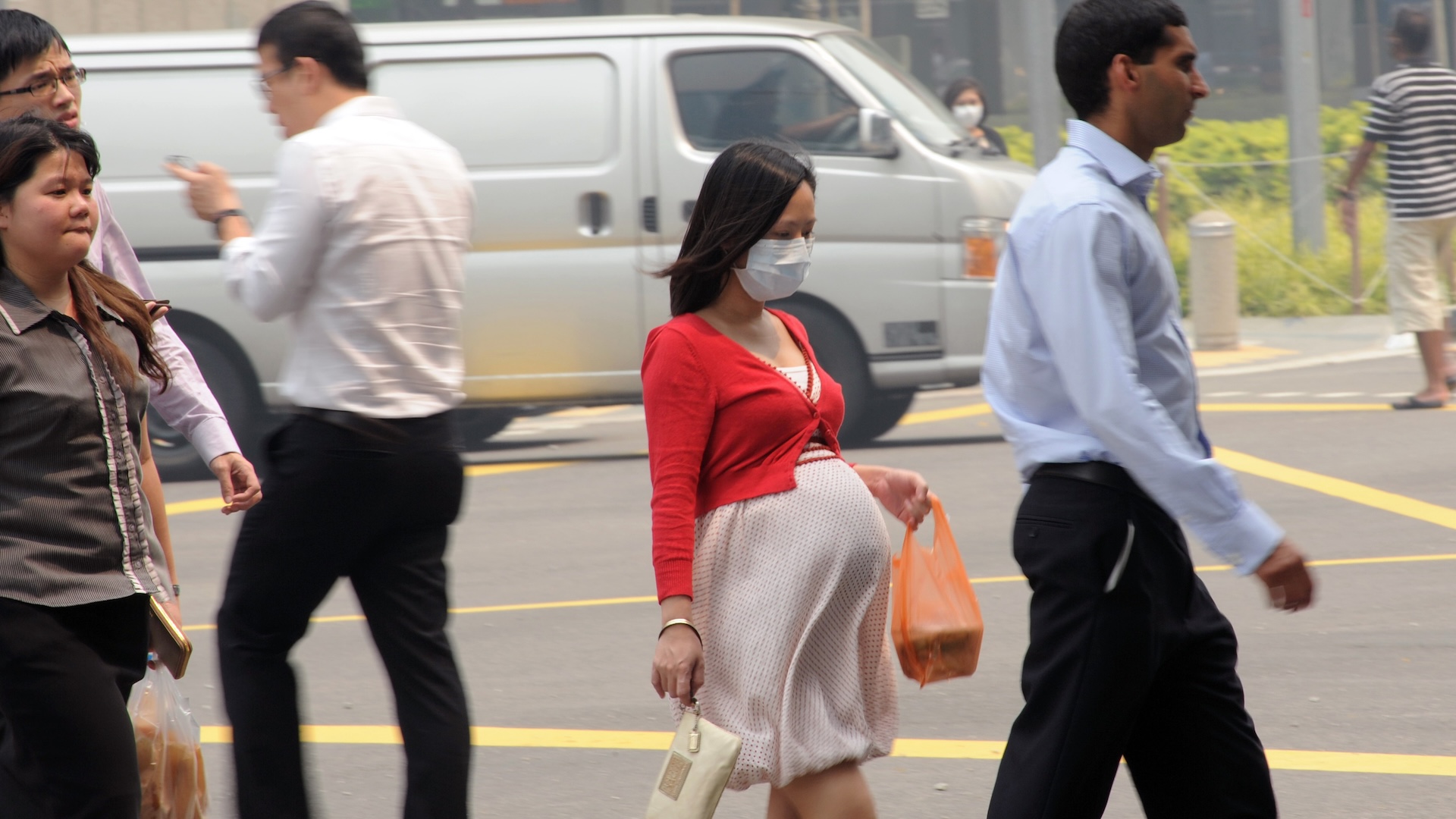
Air Pollution’s Hidden Impact: How It May Increase Preeclampsia Risk During Pregnancy
Recent research is shedding light on a concerning link between air pollution and a possibly dangerous pregnancy complication: preeclampsia. While the connection isn’t fully understood, emerging evidence suggests that exposure to particulate matter – specifically PM2.5 – could be influencing hormonal changes and placental inflammation,ultimately raising your risk. Here’s a breakdown of what you need to know, presented by a seasoned expert in maternal health.
Understanding the emerging Concerns
Preeclampsia is a serious condition characterized by high blood pressure and signs of organ damage, typically developing after 20 weeks of pregnancy. It can affect both you and your baby, and in severe cases, can be life-threatening. Researchers are constantly working to identify the factors that contribute to its growth,and air pollution is now a key area of inquiry.
How Air Pollution Might Play a Role
A new study utilized a unique placental perfusion system to simulate the effects of air pollution exposure. Here’s what they discovered:
* Elevated hCG Levels: Exposure to air pollution appeared to drive up levels of human chorionic gonadotropin (hCG), a hormone produced during pregnancy. Importantly, higher hCG levels in the second trimester have previously been associated with an increased risk of preeclampsia, according to existing studies.
* Inflammation in the Placenta: The Hofbauer cells – crucial immune cells within the placenta – exhibited a noticeable shift towards an inflammatory state when exposed to pollutants. Normally,these cells maintain an anti-inflammatory environment,vital for healthy fetal development.
* Disrupted Placental Function: This inflammatory shift mirrors what’s observed in placentas of individuals who develop preeclampsia, suggesting a potential mechanism by which air pollution could contribute to the condition.
What Does This Mean for You?
It’s important to remember that this research is preliminary. The study used a controlled laboratory setting, exposing placental tissue to pollutants for a limited time. Though, the findings are compelling and warrant further investigation.
researchers believe that long-term, consistent exposure to air pollution during pregnancy could lead to a cumulative effect, potentially amplifying these harmful changes. While the placental perfusion system can’t fully replicate the complexities of a full-term pregnancy, the initial results are concerning.
Potential Avenues for Intervention
Fortunately, there are potential strategies to mitigate the risks:
* Targeting Inflammation: Researchers are exploring whether medications that subdue inflammation within the placenta could help prevent preeclampsia in areas with high pollution levels. Clinical trials are needed to determine the effectiveness of this approach.
* Reducing Air Pollution: the most effective solution remains reducing particulate matter in the air. Lowering PM2.5 levels is crucial for overall public health,and particularly for protecting pregnant individuals.
What You Should Not Do
Experts caution against drastic changes to your daily routine based solely on these findings. As Dr.Grigg emphasizes, “There are enough things that pregnant women have to do rather than thinking about how they move around the city.”
Focus on maintaining a healthy lifestyle, attending all your prenatal appointments, and following your healthcare provider’s recommendations.
The Bottom Line
This research adds to a growing body of evidence highlighting the impact of environmental factors on pregnancy health. While more research is needed, it underscores the importance of clean air and proactive measures to protect vulnerable populations, including expectant mothers.
Disclaimer: This article is for informational purposes only and is not meant to offer medical advice. always consult with your healthcare provider for personalized guidance regarding your pregnancy.
Key Sources Used:
* https://www.sciencedirect.com/science/article/pii/S2210778923003719
* [https://www.sciencedirect.com/science/article/pii/S1701216316340981](https://www.sciencedirect.com/science/article/pii/S1701216316340
Worth a look