/data/photo/2025/06/10/6847ed8fbf879.jpg)
AirAsia has confirmed it will discontinue its direct flight service between Singapore and Jakarta starting July 1, 2024. This strategic adjustment to the airline’s regional network follows a broader trend of route optimization among low-cost carriers operating within Southeast Asia. Passengers who previously relied on this specific non-stop connection will now need to consider alternative transit options or secondary carriers operating the high-frequency Singapore-Jakarta corridor.
The decision to terminate the Singapore-Jakarta direct route reflects a shift in AirAsia’s operational focus as the airline navigates fluctuating fuel costs and competitive pressures in the ASEAN aviation market. While the airline continues to expand its reach elsewhere, the removal of this link simplifies its current route map. Travelers holding existing bookings for dates on or after July 1 are advised to review official communications from the carrier regarding rebooking procedures or refund eligibility, as is standard practice under international aviation consumer protection guidelines established by the International Air Transport Association (IATA).
Understanding the Shift in Regional Connectivity
The aviation industry in Southeast Asia remains highly sensitive to capacity management and fuel price volatility. According to recent market analysis, while the cost of aviation turbine fuel (avtur) has seen fluctuations, carriers are increasingly prioritizing routes that offer higher load factors and better profit margins. By cutting the direct Singapore-Jakarta service, AirAsia is effectively consolidating its resources toward more lucrative hubs within its extensive network. This approach is consistent with the airline’s broader strategy of maintaining cost-competitiveness in an environment where operating expenses—including ground handling and airport fees—remain significant variables for budget airlines, as noted by the International Civil Aviation Organization (ICAO).
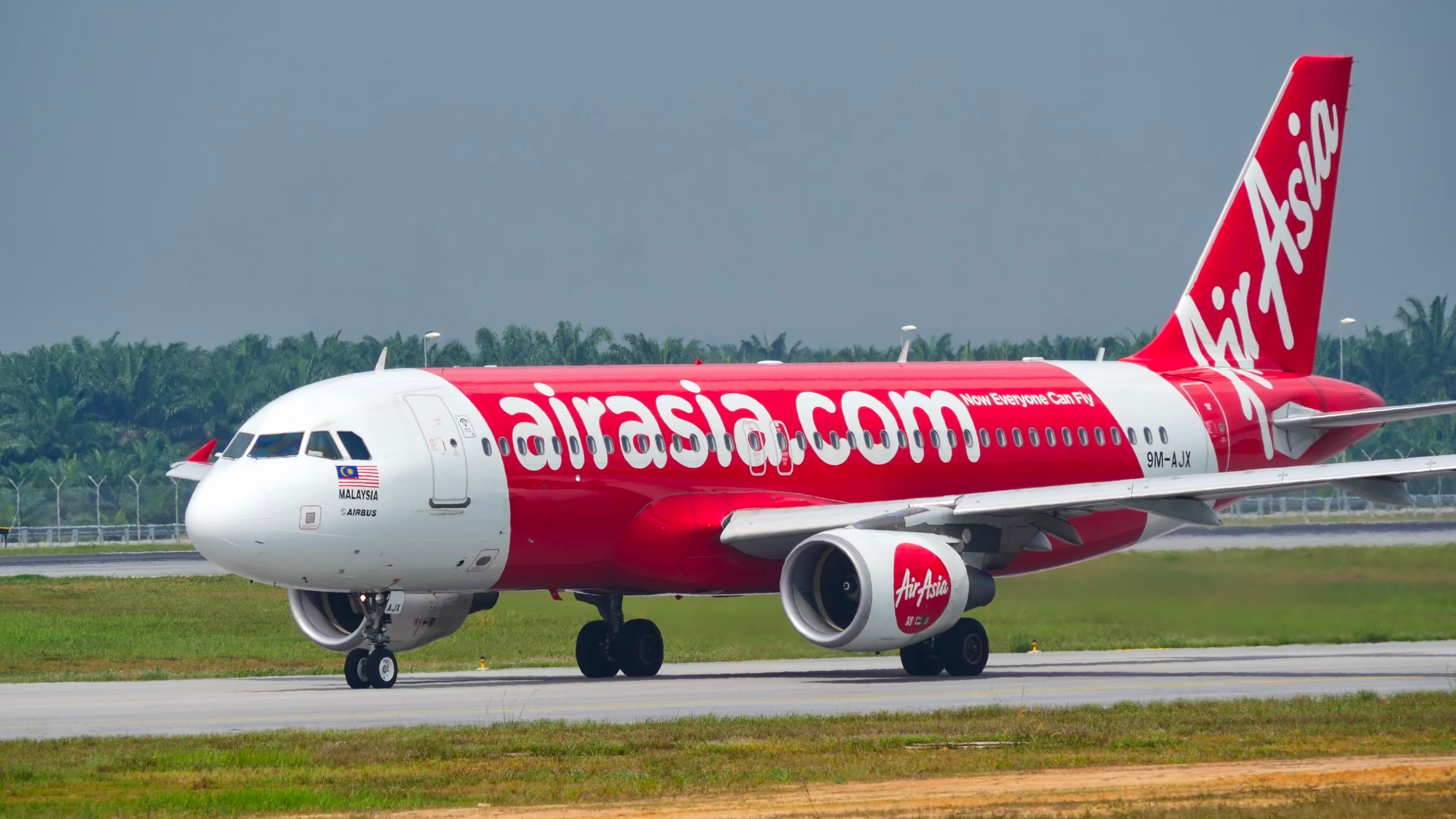

For passengers, the impact of this change is twofold. First, the loss of a direct flight option typically increases travel time, as passengers may now need to connect through hubs like Kuala Lumpur or utilize full-service carriers that maintain a presence on the Singapore-Jakarta route. Second, the competitive landscape for these specific city pairs remains dense. Several full-service and low-cost carriers, including Singapore Airlines and Garuda Indonesia, continue to operate multiple daily flights between the two capitals. Travelers are encouraged to monitor flight aggregators and the official AirAsia website for the most accurate, real-time updates regarding their specific travel itineraries.
Broader Implications for AirAsia Passengers
Despite the cancellation of the Singapore-Jakarta direct route, AirAsia has continued to promote other regional connections. The airline frequently updates its promotional fare structures to incentivize travel across its remaining network, which includes hubs in Malaysia, Thailand, and other parts of Indonesia. Industry observers suggest that such adjustments are common as airlines evaluate the performance of specific routes against the backdrop of shifting tourism demand and regional economic integration. According to data from the ASEAN Secretariat, intra-regional travel remains a pillar of the Southeast Asian economy, yet it is subject to constant capacity realignment by major carriers.
For those affected by the July 1 schedule change, the airline’s customer service portal remains the primary channel for resolution. It is standard industry practice for airlines to provide options such as flight changes, credit shells, or full refunds when a route is discontinued. Passengers are reminded to check their email for notifications sent directly by the airline, as these communications provide the specific legal and contractual terms applicable to their purchase. The Directorate General of Civil Aviation of Indonesia provides regulatory oversight for carriers operating within its jurisdiction, ensuring that consumer rights are protected during such operational transitions.
What Happens Next for Travelers
The transition period starting July 1 marks a definitive end to this specific service. Travelers who find their plans disrupted by this change should prioritize the following steps: verify their flight status through the “Manage Booking” feature on the official AirAsia portal, check for alternative flight availability through secondary carriers, and review the refund policy outlined in their initial ticket purchase agreement. As the aviation market in Asia continues to stabilize following the volatility of recent years, such network adjustments are expected to remain a feature of the competitive environment.
No further changes to the airline’s broader Indonesian network have been officially announced at this time. Future route updates will be communicated through the company’s investor relations and newsroom channels. Passengers seeking to stay informed about potential future schedule changes are encouraged to subscribe to airline newsletters or monitor official aviation news outlets for verified announcements. We welcome our readers to share their experiences regarding travel disruptions or airline connectivity in the comments section below.
Keep reading