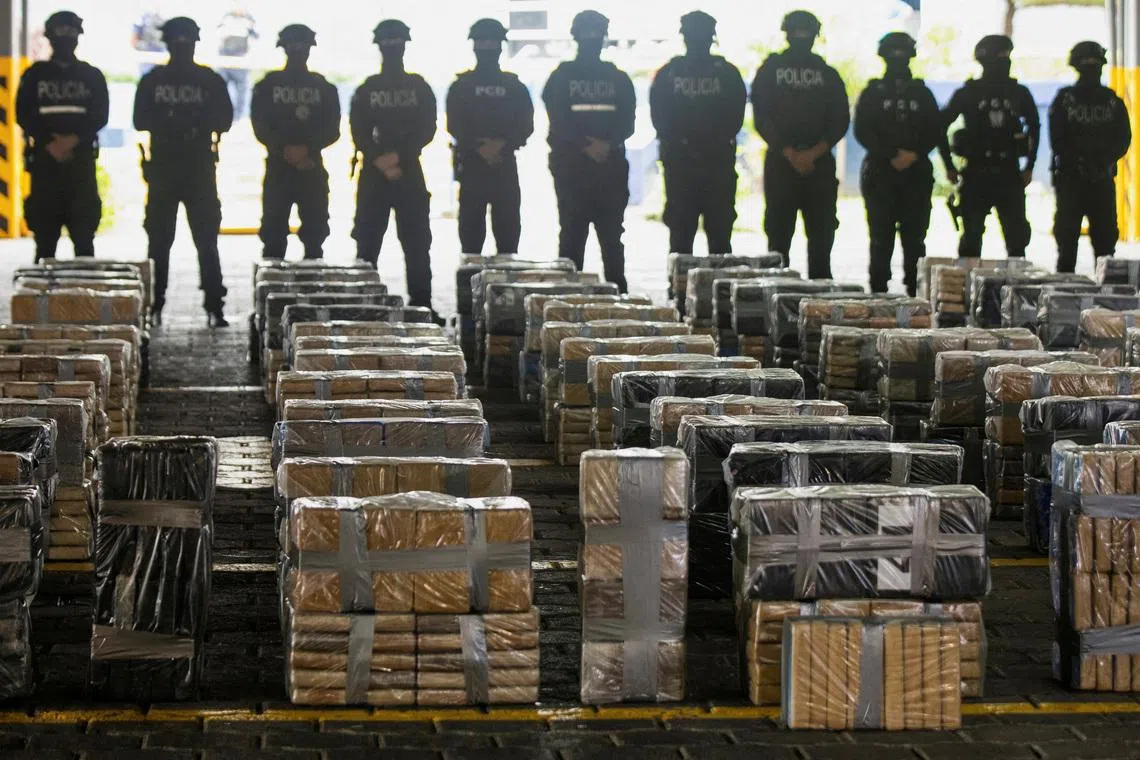
Global illicit drug markets are undergoing a period of rapid expansion, with record levels of cocaine production and a surging, decentralized trade in synthetic substances like methamphetamine, according to the latest data from the United Nations Office on Drugs and Crime (UNODC). The 2024 World Drug Report indicates that global cocaine manufacturing has reached an all-time high, driven by increased cultivation in traditional regions and the emergence of new processing hubs, while synthetic drug production has become increasingly difficult for law enforcement agencies to track due to the rapid movement of precursor chemicals.
The latest figures from the UNODC World Drug Report 2024 reveal that cocaine production reached approximately 2,757 tonnes in 2022—the most recent year for which complete verified data is available—marking a consistent upward trajectory. While some projections have estimated potential production capacity exceeding 4,000 tonnes in specific high-yield scenarios, the official UN data underscores a sustained surge in both supply and market reach, with trafficking routes now extending into previously low-consumption regions across Africa and Asia.
Drivers of the Global Cocaine Surge
The increase in cocaine supply is primarily attributed to improvements in cultivation techniques and the expansion of coca bush farming in the Andean region, specifically Colombia, Peru, and Bolivia. According to the UNODC’s comprehensive analysis, traffickers have refined their logistical networks, moving away from traditional, easily intercepted routes toward more fragmented, multi-modal transportation methods. This strategy often involves utilizing legitimate commercial shipping containers and private aviation to bypass maritime interdiction efforts.
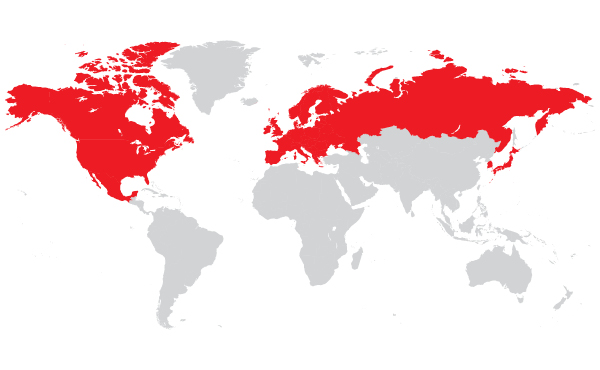
Market dynamics have also shifted. The report highlights that the demand for cocaine is no longer confined to North America and Europe. Emerging markets, characterized by rapid urbanization and increased purchasing power, have become significant targets for transnational criminal organizations. This geographic diversification makes it significantly more challenging for international law enforcement coalitions to coordinate effective containment strategies, as the trade now involves a broader array of regional intermediaries and local distribution cells.
The Rise of Synthetic Drugs
While cocaine production remains concentrated in specific geographic zones, the market for methamphetamine and other synthetic drugs is characterized by its agility and relative ease of production. Unlike plant-based narcotics, which require significant land and specific climate conditions, synthetic drugs can be manufactured in small, mobile laboratories located anywhere with access to precursor chemicals. The UNODC report notes that the illicit trade in these substances has ballooned as criminal groups exploit regulatory gaps in the global chemical industry.

The decentralization of synthetic drug manufacturing has led to a “democratization” of the illicit trade. Smaller, independent syndicates now operate alongside traditional cartels, utilizing encrypted messaging services and darknet marketplaces to facilitate transactions. This shift has complicated the work of organizations like the International Criminal Police Organization (INTERPOL), which must now monitor a much larger and more fluid network of actors rather than focusing solely on a few centralized command structures.
Impact on Global Public Health and Security
The proliferation of these substances carries profound consequences for public health systems and regional security. The UNODC emphasizes that the increased purity of cocaine and the widespread availability of high-potency synthetic opioids and stimulants have contributed to a rise in substance-related fatalities. Beyond health, the illicit drug trade fuels corruption, undermines the rule of law in vulnerable nations, and provides the financial lifeblood for various non-state armed groups.
Governments are increasingly pressured to balance punitive enforcement measures with public health interventions. The World Health Organization (WHO) advocates for evidence-based treatment programs and harm reduction strategies to mitigate the impact of the drug crisis on individual users. However, in regions where drug trafficking is deeply integrated into the local economy, state-led efforts to suppress the trade often face significant resistance from powerful criminal entities that maintain control through violence and systemic bribery.
Future Outlook and Policy Responses
The international community faces a complex path forward. Efforts to address the drug crisis are currently centered on enhanced information sharing, the regulation of precursor chemicals, and the targeting of illicit financial flows. The UN Commission on Narcotic Drugs remains the primary forum for international policy coordination, with member states meeting annually to evaluate the efficacy of current drug control conventions. The next significant international assessment is scheduled for the upcoming Commission on Narcotic Drugs session, where representatives will review progress on the implementation of the 2019 Ministerial Declaration on international drug policy.

As the global market continues to evolve, the reliance on data-driven intelligence will be critical. Law enforcement agencies are shifting their focus toward “follow the money” investigations, aiming to dismantle the financial infrastructure that allows these criminal networks to operate. Despite these efforts, the sheer scale of the trade and the adaptability of criminal syndicates suggest that the global drug crisis will remain a dominant challenge for international security for the foreseeable future. Readers interested in the latest developments are encouraged to monitor updates from the UNODC’s Data Portal for the most accurate and up-to-date information regarding global drug trends.
Keep reading