
Airbus A320 Software Glitch Causes Global Flight Disruptions: What Travelers Need to Know
A widespread software issue affecting Airbus A320 aircraft is causing disruption to flights globally, particularly as we head into the peak Thanksgiving travel season in the US. As an aviation analyst with years of experience, I’m breaking down what’s happening, what it means for your travel plans, and what airlines are doing to resolve the situation.
What’s the Problem?
The core issue centers around a computing software component responsible for calculating an aircraft’s altitude. Airbus discovered that, at high altitudes, this data can be corrupted by intense radiation emitted periodically by the sun. This led to a single incident in October where an aircraft experienced an unexpected loss of altitude. While thankfully contained, the European Union Aviation Safety Agency (EASA) has issued a mandatory airworthiness directive requiring a software update for all affected A320 family aircraft before they can carry passengers.
Understanding “Fly-by-Wire” Technology
To fully grasp the situation, it’s important to understand that the A320 is a “fly-by-wire” plane. This means there’s no direct mechanical connection between the cockpit controls and the aircraft’s flight surfaces. Instead, your commands are processed by a computer, which then translates them into actions. This technology is generally incredibly safe and reliable, but it does mean software integrity is paramount.
Current Disruptions: A Global Snapshot
The impact of this directive varies considerably between airlines, depending on how quickly they can implement the software update. Here’s a breakdown of what’s happening around the world:
* United States: American Airlines reported 340 affected planes, anticipating “some operational delays.” Delta Airlines expects a “limited” impact. The timing coincides with one of the busiest travel periods of the year, adding to potential stress.
* Europe: Lufthansa is considering temporarily grounding aircraft for updates. Other airlines are reporting varying levels of impact.
* United Kingdom: Disruption has been limited so far. Gatwick reported “some disruption,” while Heathrow has seen no cancellations. British Airways appears to be less affected.
* Australia: Jetstar has cancelled 90 flights, impacting roughly a third of its fleet.
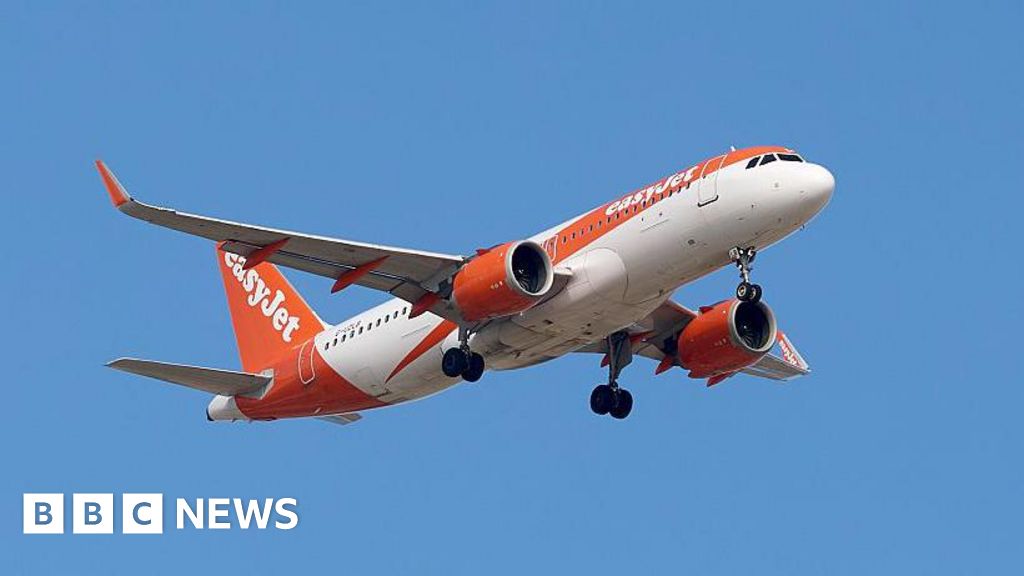
* Other airlines: Wizz Air and air India are already undertaking the necessary updates. EasyJet is “expecting some disruption” but has begun implementing the update and plans a full service schedule for saturday.
What Airlines Are Doing to Mitigate the Issue
Airlines are responding in different ways:
* Software Updates: The primary solution is a software update, which airlines are implementing as quickly as possible.
* Aircraft Grounding: Some airlines, like Lufthansa, may temporarily ground aircraft to expedite the update process.
* “Ferry Flights”: Airlines are permitted to operate “ferry flights” – flights without passengers – to transport aircraft to maintenance facilities for updates.
* Prioritization: Airlines are prioritizing updates based on fleet size, operational needs, and passenger impact.
What Does This Mean for You?
If you’re flying on an A320 aircraft in the coming days, here’s what you should do:
- check Your Flight Status: Before heading to the airport, always check your flight status with your airline.
- Allow Extra Time: Even if your flight is currently on schedule, allow extra time for potential delays.
- Stay Informed: Monitor airline communications for updates and potential changes.
- Know Your Rights: familiarize yourself with your airline’s policies regarding delays and cancellations. You may be entitled to compensation or rebooking options.
Safety Remains the Top Priority
While this situation is causing inconvenience,it’s crucial to remember that aviation remains one of the safest forms of transportation. The fact that this issue was identified and is being addressed proactively demonstrates the rigorous safety standards in place globally. This mass-grounding, while disruptive, is a very rare event, driven by a commitment to passenger safety.
Looking Ahead
The Civil Aviation Authority and Airbus are working closely with airlines to ensure the swift and safe implementation of the software update. The industry’s swift response and commitment to safety are reassuring. I’ll continue to monitor the situation and provide





