
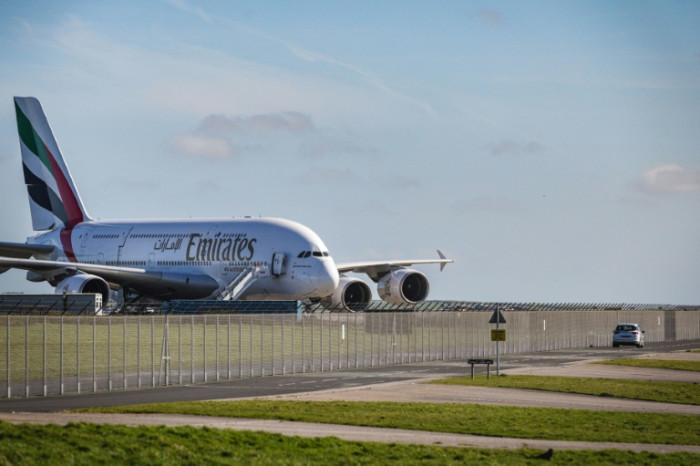
Aviation safety regulators and Airbus are conducting targeted inspections of 16 Airbus A380 aircraft following the discovery of minor cracks in wing rib feet, a specific structural component within the wing assembly. The inspection mandate, initially prompted by findings on planes operated by carriers including Emirates and Qantas, focuses on ensuring the long-term structural integrity of the world’s largest passenger airliner, according to reports from the European Union Aviation Safety Agency (EASA).
The issue concerns the L-shaped brackets, known as rib feet, which connect the wing’s ribs to the skin of the wing. While these cracks do not pose an immediate risk to flight safety under normal operating conditions, aviation authorities have implemented a phased inspection schedule to mitigate potential fatigue over the aircraft’s lifecycle. These inspections are part of a broader airworthiness directive aimed at identifying and repairing micro-fractures before they evolve into significant structural concerns, as confirmed by official industry safety filings.
Understanding the Wing Rib Foot Issue
The A380 wing structure is a complex engineering feat designed to handle immense aerodynamic loads. The rib feet serve as the critical interface between the wing’s internal support structure and the outer panels. When these components develop microscopic cracks, it is typically the result of the manufacturing process or the stress of repeated takeoffs and landings. Airbus has previously identified that the choice of aluminum alloy used in specific production batches contributed to the susceptibility of these parts to stress corrosion cracking, a phenomenon documented in aviation technical analyses.
The inspections are categorized by the age and flight cycles of the individual aircraft. Five of the 16 identified planes were designated for immediate inspection due to higher flight-hour totals. For the remaining 11 aircraft, the inspections are scheduled to occur during routine heavy maintenance intervals. This tiered approach allows airlines to manage their fleet capacity without significant disruption to global flight schedules, a strategy coordinated between the manufacturer and the regulatory bodies.
Impact on Global Airline Operations
The A380 remains a flagship aircraft for several major international carriers, particularly in long-haul markets. Emirates, as the world’s largest operator of the A380, and Qantas have worked closely with Airbus to facilitate these technical checks. According to statements released during the initial identification of the issue, the airlines confirmed that the inspections are a preventative measure and do not require the grounding of the entire fleet. Carriers are prioritizing the maintenance schedule to ensure that aircraft remain in service while meeting the rigorous standards set by the Civil Aviation Safety Authority (CASA) and other national regulators.

Maintenance teams utilize specialized non-destructive testing (NDT) techniques, such as ultrasonic or eddy current inspections, to detect the cracks. These methods allow engineers to inspect the wing structure without dismantling large sections of the aircraft. If a crack is identified, the repair process involves replacing the affected rib feet with upgraded components that utilize a different alloy, designed to be more resistant to the environmental and mechanical stresses identified during the investigation.
Historical Context and Structural Safety
This inspection program is not the first instance of structural monitoring for the A380 fleet. Since the aircraft’s entry into service, Airbus has maintained a proactive “Service Bulletin” system to communicate necessary maintenance updates to operators. The wing rib foot issue represents a standard part of the maturation process for a large-scale commercial aircraft, where real-world flight operations provide data that informs future design improvements and maintenance requirements. The Airbus official news portal continues to serve as the primary resource for operators seeking the latest technical bulletins and compliance deadlines.

For passengers and aviation enthusiasts, these inspections are a routine aspect of airline safety management. The global aviation industry operates under a “safety-first” framework where even minor structural anomalies are addressed with comprehensive engineering reviews long before they could impact the airworthiness of a commercial flight. The current inspection cycle is expected to conclude as the affected aircraft rotate through their scheduled maintenance hangars over the coming months.
The next phase of this maintenance program involves ongoing monitoring of the global A380 fleet to ensure that the updated repair standards remain effective across all production batches. Passengers with concerns regarding specific flight equipment are encouraged to check their airline’s official website or consult public flight tracking databases for the most recent updates on fleet operations. We invite readers to share their thoughts on the evolution of aircraft safety standards in the comments section below.