
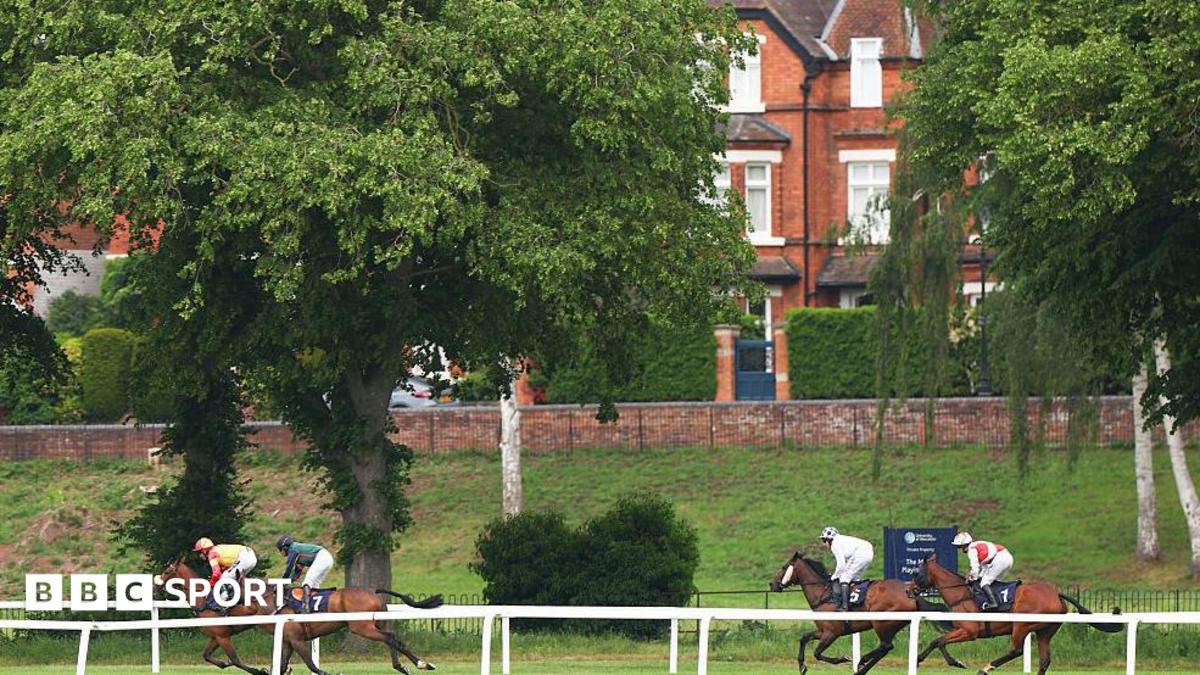
Four of Britain’s five scheduled horse racing meetings were abandoned on Wednesday following a rare red heat warning issued by the Met Office. The decision to cancel the events aims to protect the welfare of horses, jockeys, and ground staff as extreme temperatures reached dangerous levels across the country.
The Met Office, the United Kingdom’s national weather service, issued the red warning to signal that extreme heat poses a significant risk to life and safety. This level of alert is the highest in the agency’s warning hierarchy, superseding yellow and amber alerts, which serve as “be aware” and “be prepared” notices, respectively. The sudden escalation in temperature prompted racecourse officials to prioritize animal and human safety over scheduled competition.
Why did the Met Office issue a red heat warning?
A red weather warning from the Met Office indicates that extreme weather conditions are expected to cause significant disruption and potential danger. In the context of a heatwave, a red warning is triggered when temperatures are projected to reach levels that threaten the health of the general population and the stability of critical infrastructure. According to Met Office protocols, these warnings are issued when the risk of heat-related illnesses, such as heat exhaustion or heatstroke, becomes a primary concern.
Meteorologists monitor several variables to determine the severity of a heat event, including ambient temperature, solar radiation, and humidity. High humidity levels can be particularly dangerous because they impede the body’s ability to cool itself through evaporation. When the “feels like” temperature—often referred to as the heat index—reaches critical thresholds, the Met Office upgrades warnings to reflect the increased physiological strain on living organisms.
How does extreme heat affect horses and jockeys?
The decision to abandon racing meetings is rooted in the physiological vulnerabilities of equine athletes. Horses are highly susceptible to heat stress, a condition that occurs when their internal temperature rises faster than they can dissipate heat. Unlike humans, who have sweat glands distributed across most of their bodies, horses rely heavily on the evaporation of sweat from their skin to regulate temperature. However, in conditions of extreme heat and high humidity, this evaporative cooling mechanism becomes significantly less efficient.
Veterinary experts note that heat stress in horses can lead to a range of serious issues, including dehydration, electrolyte imbalances, and respiratory distress. If a horse’s core temperature rises too high during intense physical exertion, it can result in heatstroke, which is often fatal. For jockeys, the risks are equally acute. Wearing heavy, protective silks and helmets in high temperatures increases the risk of heat exhaustion and fainting, both of which are life-threatening during a race.
Furthermore, the ground conditions at racecourses can change rapidly during a heatwave. Intense sun can cause the track surface to harden or crack, creating an uneven and potentially dangerous footing for both horses and riders. These environmental factors combine to create a high-risk scenario that makes the continuation of professional racing difficult to justify under modern welfare standards.
How do racecourses manage weather-related cancellations?
Racecourse management teams work closely with regulatory bodies, such as the British Horseracing Authority (BHA), to monitor weather patterns and track conditions. When a red weather warning is issued, officials must weigh the logistical necessity of the event against the safety of the participants. The abandonment of a meeting is a significant operational decision that involves coordinating with trainers, owners, stable staff, and betting operators.
The process typically involves several stages of assessment:
- Continuous Monitoring: Racecourse officials track real-time temperature and humidity levels on-site.
- Regulatory Consultation: Officials consult with the BHA to ensure decisions align with established animal welfare and safety protocols.
- Stakeholder Notification: Once a decision is made, trainers and owners are notified so they can manage their horses’ transport and care.
- Public Communication: Announcements are made to spectators and the betting industry to manage expectations and logistical planning.
While the abandonment of a meeting causes immediate disruption, the industry’s priority remains the prevention of injury and death. The BHA maintains strict guidelines regarding the welfare of horses in all weather conditions, and these guidelines are strictly enforced when extreme weather events occur.
What are the implications for the racing industry?
The cancellation of four out of five scheduled meetings has immediate economic and logistical consequences for the horse racing sector. For racecourses, abandoned meetings represent a loss of ticket revenue, hospitality income, and sponsorship opportunities. For trainers and owners, the cancellation can disrupt training schedules and the movement of horses between stables and racecourses.
The betting industry also faces significant shifts when races are called off. While many modern betting platforms have protocols for “voiding” bets on cancelled races, the sudden change in the racing calendar can impact market liquidity and consumer engagement. Additionally, the logistics of rescheduling races—if that option is available—requires complex coordination between multiple venues and regulatory bodies.
Despite these challenges, industry analysts suggest that prioritizing welfare over revenue is essential for the long-term sustainability of the sport. As extreme weather events become more frequent due to changing global climate patterns, the racing industry must continue to refine its safety protocols and adapt its infrastructure to handle higher temperature thresholds.
Key Information Summary:
- Event: Abandonment of four out of five scheduled UK horse racing meetings.
- Primary Cause: Met Office red heat warning.
- Main Risks: Equine heatstroke, jockey heat exhaustion, and dangerous track conditions.
- Regulatory Oversight: Decisions are made in alignment with British Horseracing Authority (BHA) welfare standards.
The next official update regarding rescheduled meetings or weather-related changes to the racing calendar will be provided by the respective racecourse authorities and the British Horseracing Authority as conditions evolve.
Do you have thoughts on how the racing industry should adapt to extreme weather? Share your comments below and share this article with your network.