

Airbus is conducting mandatory inspections of a select group of its A380 superjumbo aircraft following the discovery of localized fatigue cracking on wing components. The European Union Aviation Safety Agency (EASA) has issued an emergency airworthiness directive, requiring operators to perform urgent checks on a specific subset of the fleet to ensure structural integrity, according to official regulatory filings. While the issue affects a small percentage of the total active fleet, the directive underscores the rigorous maintenance protocols required for the world’s largest passenger airliner.
The safety mandate specifically targets 16 aircraft globally, with five of those units identified as requiring immediate inspection due to their flight hours and operational history. This action follows a series of inspections that identified microscopic cracks in the wing rib feet—the components that connect the wing’s skin to the internal structure—a known area of focus for the A380 since its entry into service. The directive, accessible via the EASA Safety Publications Tool, provides the technical parameters for the required non-destructive testing.
Understanding the Structural Inspection Requirements
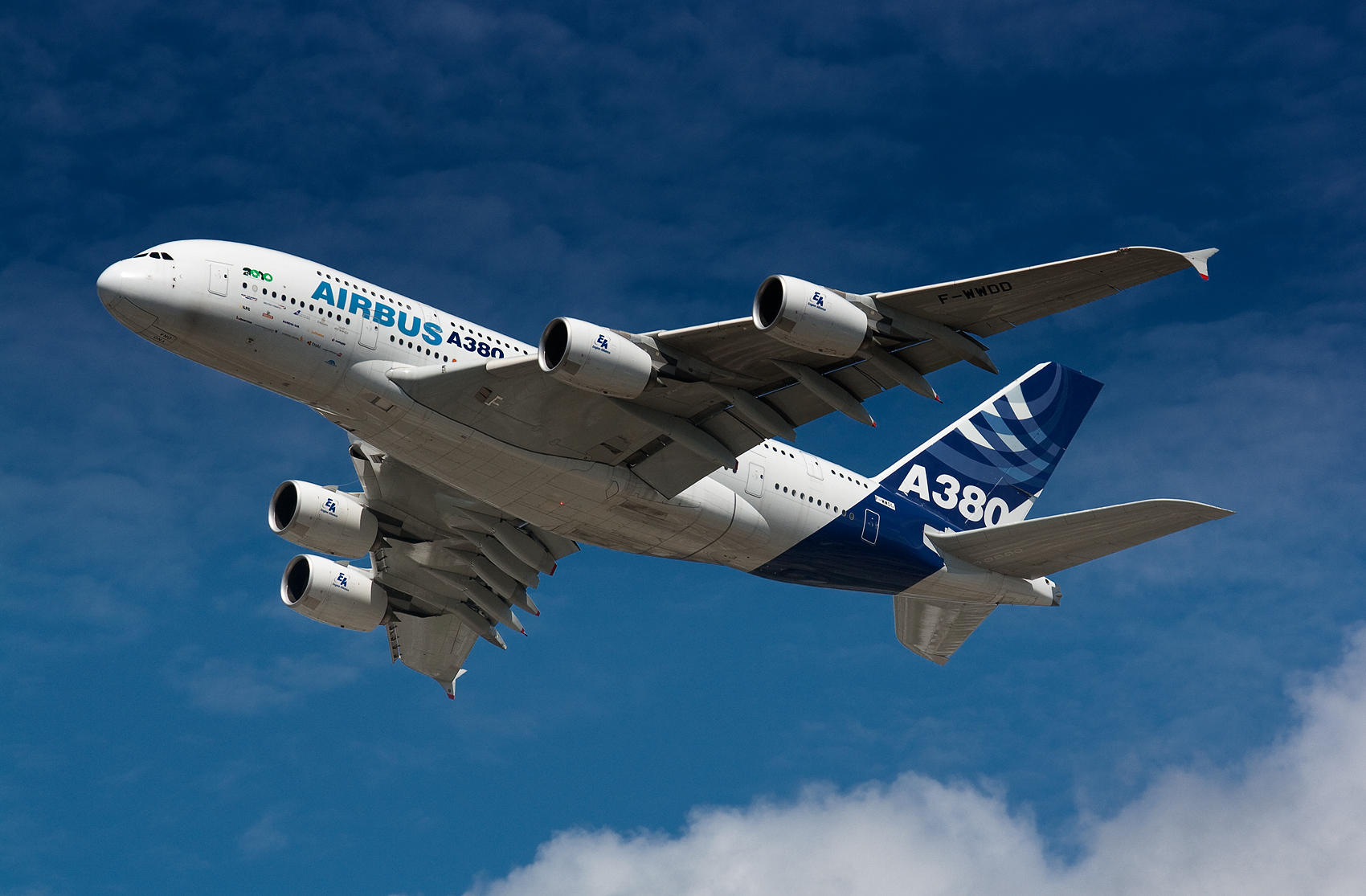
The fatigue cracking identified in the wing rib feet is a maintenance issue that has evolved alongside the operational life of the Airbus A380. Because the A380 is a double-deck, wide-body aircraft, its wing structure is subject to significant stress cycles during takeoff and landing. According to official Airbus statements regarding their fleet monitoring programs, these inspections are part of a proactive strategy to mitigate long-term wear and tear in critical load-bearing zones.
The urgency of the inspection—specifically for the five aircraft identified—is determined by the number of flight cycles each individual airframe has accumulated. Airlines operating these specific units are required to perform specialized ultrasound or eddy current testing to detect any propagation of cracks that could compromise wing rigidity. EASA mandates that these inspections be carried out by certified maintenance personnel, and any findings must be reported back to both the manufacturer and the regulatory authority to inform future maintenance intervals.
Impact on Global A380 Operators
The global fleet of the Airbus A380 remains largely unaffected by this specific directive, as the vast majority of aircraft do not meet the criteria for the urgent inspection threshold. However, the requirement highlights the challenges of maintaining aging, high-capacity aircraft in a post-pandemic aviation landscape. As demand for international long-haul travel has recovered, airlines have increasingly returned their A380s to service, placing renewed focus on the International Air Transport Association (IATA) safety standards for fleet airworthiness.

Operators affected by the directive are coordinating with Airbus customer support teams to schedule the necessary maintenance without causing significant disruption to commercial flight schedules. Because the inspection process involves removing interior panels to access the wing box, it requires a dedicated period in a hangar. Industry analysts note that this is a routine, albeit critical, part of aviation safety management, where regulatory bodies and manufacturers collaborate to ensure that structural integrity is maintained well beyond the original design life of the aircraft.
Safety Protocols and Future Maintenance
The A380, which first entered commercial service in 2007 with Singapore Airlines, has undergone several structural monitoring programs throughout its lifespan. The current inspections are not an indication of a design flaw that threatens the safety of the entire fleet, but rather a reflection of the precise engineering required to manage the unique stresses placed on the A380’s massive wingspan. According to EASA documentation, the goal of such directives is to ensure that any potential fatigue is caught long before it reaches a critical state.
Moving forward, the maintenance schedule for the affected airframes will likely be adjusted. If inspectors find evidence of cracking, specific repair procedures—such as the installation of reinforcement brackets or the replacement of affected rib feet—are already codified in the aircraft’s structural repair manual. Passengers and industry stakeholders can monitor future airworthiness updates through the EASA website, which serves as the primary repository for all safety-related directives concerning Airbus aircraft operating in the European and international airspace.
The next phase of this process involves the submission of inspection reports from the affected airlines to the manufacturer. Airbus will then aggregate this data to determine if the current inspection interval remains sufficient or if further modifications to the maintenance program are required. We will continue to monitor the situation and provide updates as new information becomes available from official regulatory channels. Please share your thoughts or questions in the comments section below.