
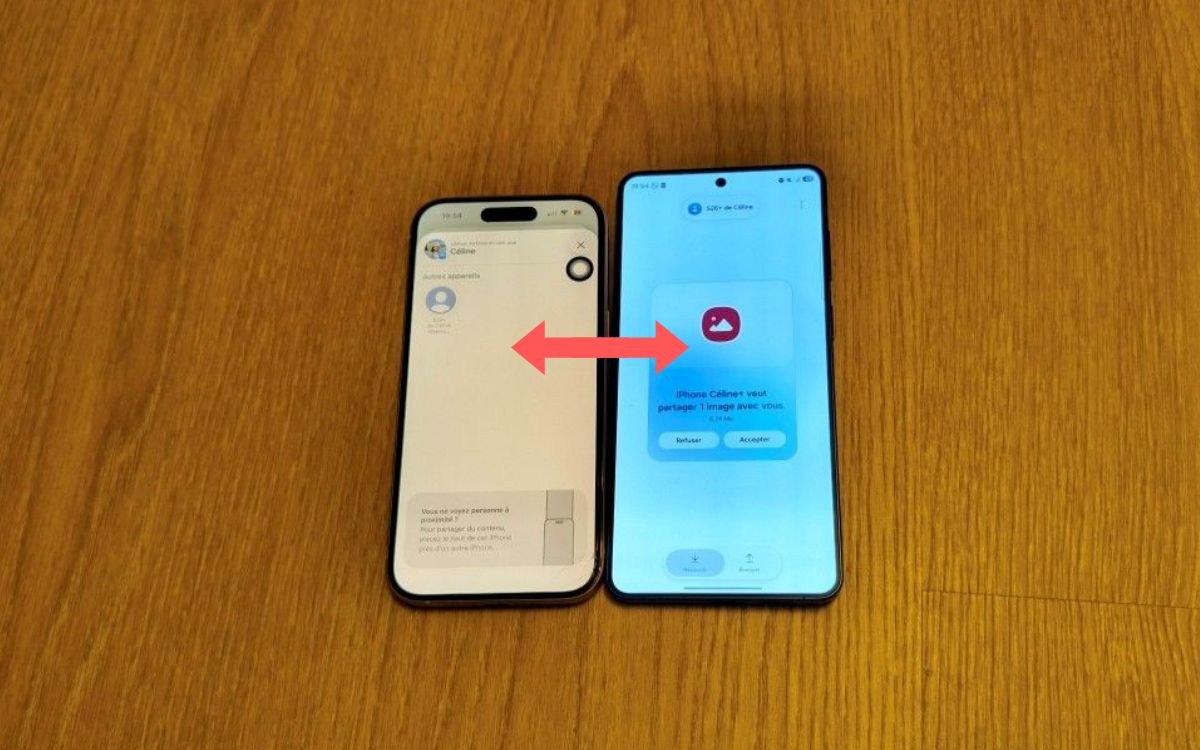
The long-standing digital wall between the two largest mobile ecosystems is finally coming down. In a move that fundamentally alters how users exchange data, Google has announced that a growing list of Android smartphones compatible with AirDrop will now allow for seamless, wireless file sharing with Apple devices.
For years, the “walled garden” approach to file sharing forced users to rely on cumbersome email attachments, third-party cloud uploads, or messaging apps to move photos and documents between an iPhone and an Android device. This friction is now being erased as Google’s Quick Share integrates directly with Apple’s proprietary AirDrop technology, turning a once-exclusive feature into a cross-platform standard.
This integration, unveiled during Google’s recent “Android Show,” marks a significant shift in mobile interoperability. By leveraging a combination of Bluetooth and Wi-Fi, the updated Quick Share menu now allows Android users to identify and send files to nearby iOS devices with the same ease as sharing between two Android phones. For a global audience of billions, this removes one of the most persistent pain points of switching or mixing device brands.
The Current Wave: Devices with Immediate Support
The rollout has already begun, with a select group of flagship devices receiving immediate compatibility. These phones can currently use the Quick Share menu to send files directly to iPhones via AirDrop without any additional software installations.
Current compatible devices include:
- Samsung: The latest Galaxy S26 series.
- Google: The Pixel 10 series and the Pixel 9 series, including the Pixel 9a.
- Oppo: The Find X9 series and the Find N6.
- Vivo: The X300 Ultra.
From a software engineering perspective, this achievement requires tight synchronization between the Android 17 framework and Apple’s wireless protocols. By aligning these standards, Google and Apple have effectively created a peer-to-peer bridge that bypasses the need for a centralized cloud server for every single transfer, preserving both speed and privacy.
The 2026 Roadmap: Which Phones Are Next?
While the initial launch focused on the most recent flagships, Google has confirmed a broad expansion of support throughout the remainder of 2026. This ensures that users with slightly older hardware are not left behind in the transition to cross-platform sharing.

The following devices are scheduled to receive AirDrop support later this year:
- Samsung: Galaxy S25 series, Galaxy S24 series, Galaxy Z Fold 7, Galaxy Z Flip 7, Galaxy Z Fold 6, Galaxy Z Flip 6, and the Galaxy Z Trifold.
- Oppo: Find X8 series.
- OnePlus: OnePlus 15.
- Honor: Magic V6 and Magic 8 Pro.
Google has revealed that Xiaomi is also planning to implement AirDrop support this year. While the specific Xiaomi models have not yet been named, the company’s inclusion in the roadmap suggests that the feature will eventually span the majority of the high-end Android market.
The Universal Fallback: QR Codes and Cloud Sharing
Recognizing that not every Android device has the hardware specifications or software version required for native AirDrop compatibility, Google is introducing a “Plan B.” For devices not on the official compatibility list, Quick Share will now offer a QR code generation feature.
When an Android user attempts to share a file with an iOS user on a non-compatible device, the Quick Share menu will generate a unique QR code. The iPhone user can then scan this code to instantly share the content via the cloud. While this process requires a few more taps than a native AirDrop transfer, it provides a reliable, standardized method for all Android users to interact with the Apple ecosystem.
This QR code functionality is currently rolling out to all Android devices and is expected to be fully available to the entire user base by June. Google plans to integrate Quick Share capabilities directly into popular third-party applications, such as WhatsApp, to further streamline the sharing experience.
Why This Matters for the Global Tech Landscape
The decision to make Android smartphones compatible with AirDrop is more than just a convenient feature update; it is a signal of a broader trend toward “interoperability.” For over a decade, hardware manufacturers used proprietary ecosystems to create “lock-in,” making it difficult for consumers to leave a brand without losing a seamless user experience.
By breaking these barriers, the industry is moving toward a more user-centric model. This shift is particularly impactful for professional environments where teams use a mix of hardware. The ability to instantly move a high-resolution image or a critical document from a Pixel to an iPhone without worrying about file compression or cloud latency increases productivity and reduces technical friction.
this move aligns with global regulatory pressures to make digital services more open. As Apple and Google find common ground on sharing protocols, it sets a precedent for other proprietary features to potentially open up, benefiting the consumer through increased choice and flexibility.
The next major milestone for this rollout will be the completion of the QR code feature deployment, which is scheduled to be finished by June. Users are encouraged to keep their system software updated to the latest version of Android to ensure they receive these compatibility updates as soon as they hit their specific device.
Do you use both Android and iOS devices in your household or office? Let us know how this change impacts your workflow in the comments below.