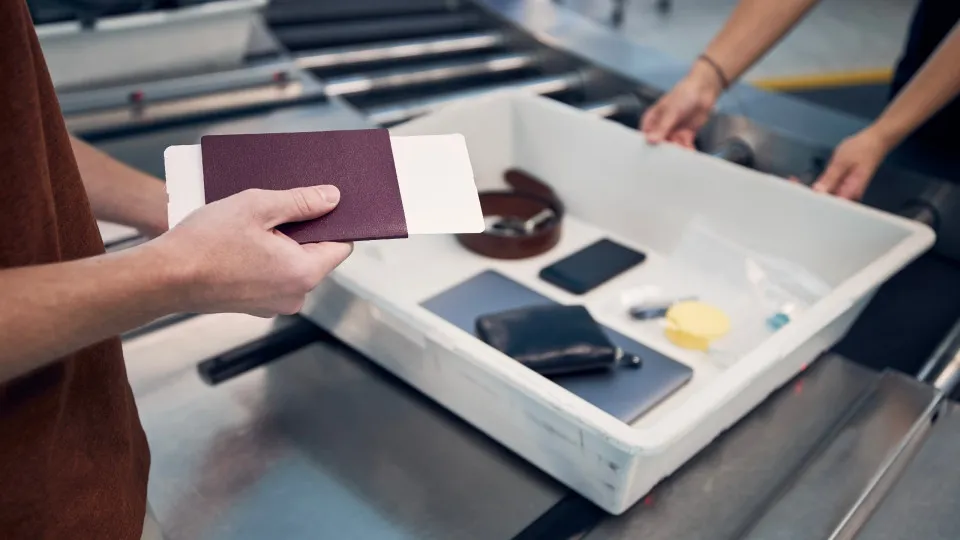
Airport Security: What You Should Never Place Directly in Screening Bins
As millions of travelers prepare for flights this year, one critical step in the airport experience remains a common source of confusion—and potential delays: the security screening process. While most passengers know to remove laptops and liquids from their carry-on bags, many are unaware of what should never be placed directly into the plastic bins used for X-ray screening. Missteps at this stage can lead to additional inspections, confiscated items, or even missed flights, making it essential to understand the rules before reaching the checkpoint.
Dr. Helena Fischer, Editor of Health at World Today Journal and a physician with over a decade of experience in public health and medical journalism, explains that airport security protocols are designed not only to detect prohibited items but as well to protect passengers and staff from unintentional hazards. “Many everyday objects can pose risks when improperly handled during screening,” she notes. “Understanding what belongs in the bins—and what doesn’t—can save time, reduce stress, and ensure a smoother journey for everyone.”
Below, we break down the items that should never be placed directly into airport security bins, based on official guidelines from aviation authorities and verified safety protocols. We also clarify why these rules exist and how travelers can avoid common pitfalls.
Why Some Items Should Never Go in Security Bins
The plastic bins used at airport security checkpoints are designed to hold personal items for X-ray screening, but they are not suitable for all objects. Placing certain items directly into the bins can create safety risks, damage equipment, or trigger alarms that require manual inspections. According to the National Civil Aviation Agency of Brazil (ANAC), as well as guidelines from the U.S. Transportation Security Administration (TSA) and the European Union Aviation Safety Agency (EASA), some items can compromise the screening process or pose hazards to security personnel.
For example, placing sharp objects or liquids directly into bins can increase the risk of injury to staff handling the items or damage the X-ray machines. Similarly, electronic devices with lithium batteries—such as power banks or e-cigarettes—can overheat if not properly screened, posing fire risks. Understanding these risks is key to navigating security checkpoints efficiently.
Items That Should Never Be Placed Directly in Security Bins
While the exact rules may vary slightly by country, the following items are universally prohibited from being placed directly into airport security bins, according to official sources. Instead, these items should be packed in carry-on luggage or checked baggage, depending on the regulations of the airline and the country of departure or arrival.

1. Sharp Objects and Cutting Tools
Objects with sharp edges or points can injure security personnel or damage screening equipment. According to ANAC’s guidelines, the following items should never be placed directly into bins:
- Knives (including pocket knives and utility knives)
- Razors and razor blades (except safety razors in some cases)
- Scissors with blades longer than 6 cm (about 2.4 inches)
- Box cutters, utility knives, and craft blades
- Swords, sabers, and martial arts weapons
- Ice picks and axes
- Screwdrivers, wrenches, and other tools with blades or sharp edges longer than 6 cm
These items are typically allowed in checked baggage but are prohibited in carry-on luggage. Placing them directly into bins can slow down the screening process and may result in confiscation.
2. Weapons and Firearms
Firearms, replicas, and other weapons are strictly prohibited in carry-on luggage and should never be placed in security bins. This includes:
- Handguns, rifles, and shotguns
- Stun guns and tasers
- Replicas or toys that resemble firearms
- Pellet guns and airsoft guns
- Ammunition and gunpowder
- Pepper spray and other self-defense sprays
Most countries require firearms to be declared, unloaded, and packed in a locked hard-sided container in checked baggage. Attempting to bring these items through security—even unintentionally—can result in legal consequences, including fines or arrest. The TSA and EASA provide detailed guidelines for transporting firearms legally.
3. Flammable or Explosive Materials
Items that can ignite or explode pose significant risks in airport environments. These include:
- Lighters (especially torch lighters, which are often prohibited entirely)
- Matches (strike-anywhere matches are typically banned)
- Fireworks, flares, and sparklers
- Gasoline, lighter fluid, and other flammable liquids
- Aerosol cans (except for small quantities of personal care items like deodorant or hairspray, which must comply with liquid restrictions)
- Propane tanks and butane canisters
Many of these items are prohibited in both carry-on and checked baggage. For example, the TSA allows only one disposable lighter in carry-on luggage, while torch lighters are banned entirely. Placing these items in bins can trigger alarms and require additional screening, delaying the process for all passengers.
4. Lithium Batteries and Electronic Devices
Lithium batteries, commonly found in laptops, smartphones, power banks, and e-cigarettes, can overheat or catch fire if damaged or improperly screened. While these devices are allowed in carry-on luggage, they should not be placed directly into bins without proper preparation. Instead:

- Laptops and large electronics should be removed from bags and placed in a separate bin for screening.
- Power banks and spare lithium batteries must be carried in carry-on luggage and should not be placed in bins unless requested by security personnel.
- E-cigarettes and vaping devices should never be placed in checked baggage and must be carried on the person or in carry-on luggage.
The International Air Transport Association (IATA) warns that lithium batteries can pose fire risks if short-circuited, which is why they must be protected from damage during screening.
5. Liquids, Gels, and Aerosols Over the Allowed Limit
Most airports enforce the “3-1-1” rule for liquids, gels, and aerosols in carry-on luggage:
- Containers must hold no more than 3.4 ounces (100 milliliters) each.
- All containers must fit into a single, clear, quart-sized (1-liter) plastic bag.
- Only one bag is allowed per passenger.
Liquids that exceed these limits should not be placed directly into bins. Instead, they should be packed in checked baggage or discarded before screening. Exceptions are made for medications, baby formula, and breast milk, which may require additional screening but are allowed in larger quantities.
6. Hazardous Chemicals and Toxic Substances
Certain chemicals and toxic substances are prohibited in both carry-on and checked baggage due to their potential to harm passengers or aircraft. These include:
- Bleach and chlorine
- Acids and corrosive materials
- Radioactive materials
- Infectious substances (e.g., biological samples)
- Mercury (including thermometers and barometers)
- Pesticides and insecticides
These items should never be placed in security bins, as they can contaminate the screening equipment or pose health risks to security personnel. Travelers transporting such materials for professional purposes should consult their airline and local aviation authorities for specific guidelines.
What Should Go in Security Bins?
While some items should never be placed directly into bins, others must be removed from carry-on luggage and screened separately. These include:
- Laptops, tablets, and large electronic devices
- Jackets, coats, and bulky outerwear
- Belts with large metal buckles
- Shoes (in some countries, such as the U.S.)
- Watches and jewelry (to avoid triggering metal detectors)
- Liquids bag (as per the 3-1-1 rule)
Placing these items in bins ensures they are properly screened and reduces the likelihood of additional inspections.
Common Mistakes to Avoid
Even experienced travelers can build mistakes at security checkpoints. Here are some of the most common errors—and how to avoid them:
1. Forgetting to Remove Liquids from Bags
Many passengers forget to remove their liquids bag from their carry-on luggage, leading to additional screening or delays. To avoid this, place the liquids bag in an easily accessible pocket of your carry-on or in a separate compartment.
2. Packing Prohibited Items in Carry-On Luggage
Items like pocket knives, scissors, or tools are often accidentally left in carry-on bags. Before packing, double-check the list of prohibited items for your airline and destination. The TAP Air Portugal and Lisbon Airport websites provide detailed lists of prohibited items for flights departing from Portugal.
3. Placing Loose Change or Keys in Bins
While small metal items like coins or keys are not prohibited, placing them directly into bins can trigger alarms and require additional screening. Instead, keep these items in your pockets or in a small pouch in your carry-on bag.
4. Overlooking Lithium Batteries in Checked Baggage
Lithium batteries should never be placed in checked baggage due to the risk of fire. Always carry them in your carry-on luggage, and ensure they are protected from damage or short-circuiting.

What Happens If You Bring a Prohibited Item?
If a prohibited item is detected during screening, the consequences depend on the item and the country’s regulations. Common outcomes include:
- Confiscation: Many prohibited items, such as knives or flammable liquids, will be confiscated and discarded by security personnel.
- Additional Screening: Items that are not inherently prohibited but require further inspection (e.g., liquids over the limit) may result in delays or additional screening.
- Fines or Legal Action: Attempting to bring weapons, explosives, or hazardous materials through security can result in fines, legal action, or arrest. For example, the TSA imposes fines of up to $15,000 for violations involving firearms.
- Missed Flights: Delays caused by additional screening or confiscation can result in missed flights, particularly for passengers with tight connections.
To avoid these outcomes, travelers should familiarize themselves with the rules before arriving at the airport and pack accordingly.
Key Takeaways for Travelers
- Never place sharp objects, weapons, or hazardous materials directly into security bins. These items should be packed in checked baggage or left at home.
- Follow the 3-1-1 rule for liquids. Ensure all liquids, gels, and aerosols in carry-on luggage comply with size restrictions and are placed in a clear, quart-sized bag.
- Remove laptops and large electronics from bags. These items should be placed in a separate bin for screening.
- Keep lithium batteries in carry-on luggage. Never place them in checked baggage due to the risk of fire.
- Double-check your carry-on before heading to the airport. Review the list of prohibited items for your airline and destination to avoid delays or confiscation.
- Arrive early. Allow extra time for security screening, especially during peak travel periods.
Where to Find Official Guidelines
Airport security rules can vary by country and airline, so it’s key to consult official sources before traveling. Here are some trusted resources:
- U.S. Transportation Security Administration (TSA)
- European Union Aviation Safety Agency (EASA)
- National Civil Aviation Agency of Brazil (ANAC)
- International Air Transport Association (IATA)
- TAP Air Portugal
- Lisbon Airport
Final Thoughts
Navigating airport security can be stressful, but understanding what should—and shouldn’t—go into screening bins can make the process smoother for everyone. By following official guidelines and packing carefully, travelers can avoid delays, confiscations, and potential legal consequences.
For the latest updates on airport security rules, travelers should check the websites of their airline, departure airport, and local aviation authority before heading to the airport. Safe travels!
Have you encountered unexpected items at airport security? Share your experiences in the comments below, and don’t forget to share this article with fellow travelers to facilitate them stay informed.
Worth a look
- Managing Herpes: The Science, Facts, and Feelings (Expert Guide & eBook)
- Ed Poloke Named MVP of Fresh All-Star Game After Massive 3-Run Homer
- Security Measures Deployed in AJK Ahead of Elections Over Allegations of Electoral Irregularities (newsdirectory3.com)
- Avoid Claim Mistakes: How to Negotiate a Fair Payout (world-today-news.com)