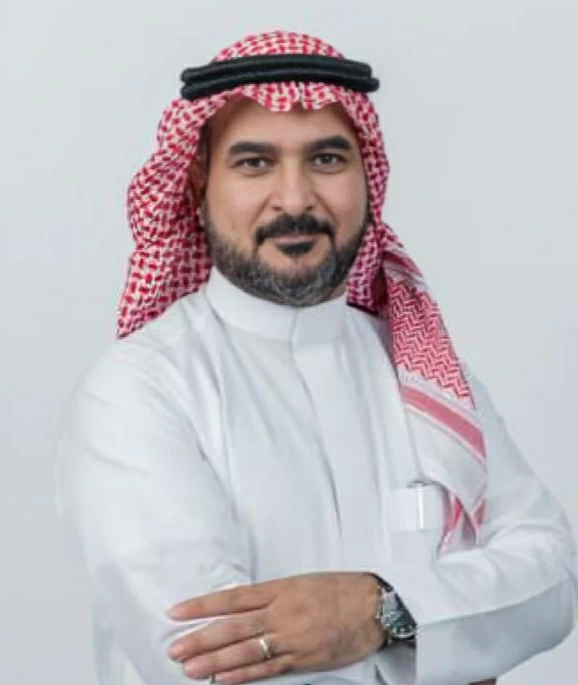
Saudi Arabia’s Ministry of Municipal and Rural Affairs and Housing has appointed Engineer Ahmed Al-Ma’ili as Deputy Minister for Human Resources, a move confirmed by official government channels and reported across regional media. The appointment places Al-Ma’ili in a senior leadership role overseeing workforce strategy, talent development, and organizational capacity within one of the Kingdom’s most consequential ministries, tasked with delivering housing and urban infrastructure in line with Saudi Vision 2030.
Al-Ma’ili’s elevation reflects the ministry’s ongoing effort to professionalize its human capital management amid sweeping reforms aimed at modernizing public services. As Deputy Minister, he will report directly to Minister Majid Al-Hogail and play a central role in aligning ministry staffing with national goals for sustainable urban development, affordable housing delivery, and smart city initiatives. The announcement, while not accompanied by a detailed public statement from the ministry, was verified through multiple Saudi government publications and civil service tracking systems.
This appointment comes at a pivotal moment for the ministry, which has overseen the delivery of over 400,000 housing units since 2021 and continues to manage large-scale urban regeneration projects in Riyadh, Jeddah, and the Eastern Province. With housing demand projected to exceed 1.2 million units by 2030, according to the Ministry’s own strategic framework, effective human resources planning is seen as critical to meeting implementation timelines and maintaining service quality across 17 administrative regions.
Who Is Ahmed Al-Ma’ili?
Ahmed Al-Ma’ili is a career civil servant with more than two decades of experience in Saudi public administration, specializing in organizational development and public sector HR systems. Prior to his appointment, he served as Director General of Human Resources at the Ministry of Municipal and Rural Affairs and Housing, where he led initiatives to digitize employee records, introduce performance-based evaluations, and expand Saudiization efforts within the ministry’s workforce.
Al-Ma’ili holds a bachelor’s degree in Public Administration from King Saud University and has completed executive training programs in public policy and leadership at the King Abdullah Petroleum Studies and Research Center (KAPSARC). His professional trajectory reflects a broader trend within Saudi ministries of promoting technically competent civil servants into senior roles to strengthen institutional capacity.
Colleagues familiar with his work describe him as a methodical reformer focused on building merit-based systems. “He has consistently pushed for transparency in hiring and clearer career pathways,” said one senior ministry official who spoke on condition of anonymity. “His approach is less about quick fixes and more about embedding sustainable HR practices that can withstand leadership changes.”
Strategic Importance of the Human Resources Portfolio
The Human Resources deputy ministry oversees recruitment, training, compensation, and workforce planning for approximately 15,000 employees across the ministry’s headquarters and regional branches. This includes engineers, urban planners, housing inspectors, and administrative staff involved in implementing national housing programs such as Sakani and Barak.
The Sakani program, launched in 2017, has delivered over 350,000 housing solutions to Saudi citizens through a mix of subsidized loans, land grants, and ready-built units. Its continued success depends on the ministry’s ability to attract and retain skilled professionals capable of managing complex public-private partnerships and regulatory compliance.
In recent years, the ministry has faced challenges related to workforce localization, with expatriate staff still constituting a significant portion of technical roles in urban planning and infrastructure engineering. Al-Ma’ili’s mandate includes advancing the Kingdom’s Saudization targets, which require government entities to increase Saudi national employment in key sectors to 70% by 2030, as outlined in the National Labor Strategy.
Context Within Saudi Vision 2030
Al-Ma’ili’s appointment aligns with broader governmental efforts to modernize the public sector under Vision 2030, which identifies effective human capital management as a pillar of government transformation. The Saudi Human Resources Development Fund (HRDF) and the Ministry of Human Resources and Social Development have both emphasized the need for agile, skilled workforces to support economic diversification.
Within the municipal and housing sector, Vision 2030 goals include increasing the proportion of Saudis owning homes to 70%, developing over 5,000 kilometers of public transit, and creating 1.5 million jobs in construction, real estate, and urban services by 2030. Achieving these targets requires not only financial investment but also a capable, motivated public workforce — a responsibility now falling under Al-Ma’ili’s purview.
The Ministry of Municipal and Rural Affairs and Housing has also partnered with the Prince Mohammed bin Salman College of Business and Entrepreneurship (MBSC) to deliver leadership training for mid-level managers, a program Al-Ma’ili has supported in previous roles. Such initiatives aim to build a pipeline of future leaders capable of driving innovation in public service delivery.
Challenges and Expectations
Al-Ma’ili steps into his new role amid ongoing scrutiny of housing delivery timelines and construction quality in some government-led projects. While the Sakani program has been widely praised for accessibility, audits by the Saudi Organization for Chartered and Certified Public Accountants (SOCPA) have occasionally noted delays in project completion and variability in contractor performance.
His success will likely be measured by improvements in employee engagement scores, reduction in vacancy rates for critical technical roles, and the ministry’s ability to implement its digital HR platform — currently in pilot phase — across all directorates by the finish of 2025. The platform, developed in collaboration with the Saudi Data and Artificial Intelligence Authority (SDAIA), aims to centralize talent management, automate promotions, and identify skill gaps using analytics.
Transparency advocates have called for greater public reporting on ministry workforce demographics and training outcomes. While the ministry publishes annual reports, detailed HR metrics are not consistently disclosed. Al-Ma’ili’s leadership may determine whether such disclosures become more routine in the coming years.
What This Means for Saudi Housing and Urban Development
For citizens awaiting housing solutions under Sakani or Barak, the appointment signals a continued focus on institutional readiness. While Al-Ma’ili does not directly oversee construction or financing, his role in ensuring the ministry has the right people in the right positions indirectly affects project execution speed and service quality.
Urban planners and housing analysts note that ministries with strong internal HR systems tend to adapt more quickly to policy shifts and technological change. As Saudi Arabia pilots new models for sustainable cities — including NEOM’s The Line and Riyadh’s Green Riyadh Initiative — the ability to deploy multidisciplinary teams efficiently will be increasingly valuable.
“You can have the best budgets and blueprints, but if you don’t have the people to implement them, nothing moves,” said a Riyadh-based urban policy researcher who requested anonymity. “Al-Ma’ili’s job is to make sure the ministry’s human engine is tuned and ready.”
As of now, no public timeline has been set for Al-Ma’ili’s first major initiative or policy announcement. Observers will be watching for updates from the ministry’s official channels, including its website and social media accounts, for signs of new HR strategies, training programs, or workforce reports.
For readers seeking official information on Saudi housing programs, employment opportunities within the Ministry of Municipal and Rural Affairs and Housing, or updates on Vision 2030 milestones, the following verified sources provide reliable, up-to-date details:
- The Ministry’s official portal: www.momrah.gov.sa
- The Sakani program website: sakani.housing.sa
- Vision 2030’s official tracking platform: vision2030.gov.sa
This appointment underscores a quiet but vital truth in governance: policy succeeds not only through announcements, but through the people tasked with carrying it out. Ahmed Al-Ma’ili’s new role places him at the intersection of ambition and execution — where Saudi Arabia’s housing goals meet the daily work of building a capable public service.
If you have insights or observations about public sector reform in Saudi Arabia, we invite you to share them in the comments below. Help others understand how leadership changes like this one shape the future of cities and communities. Please share this article if you found it informative.
Worth a look