
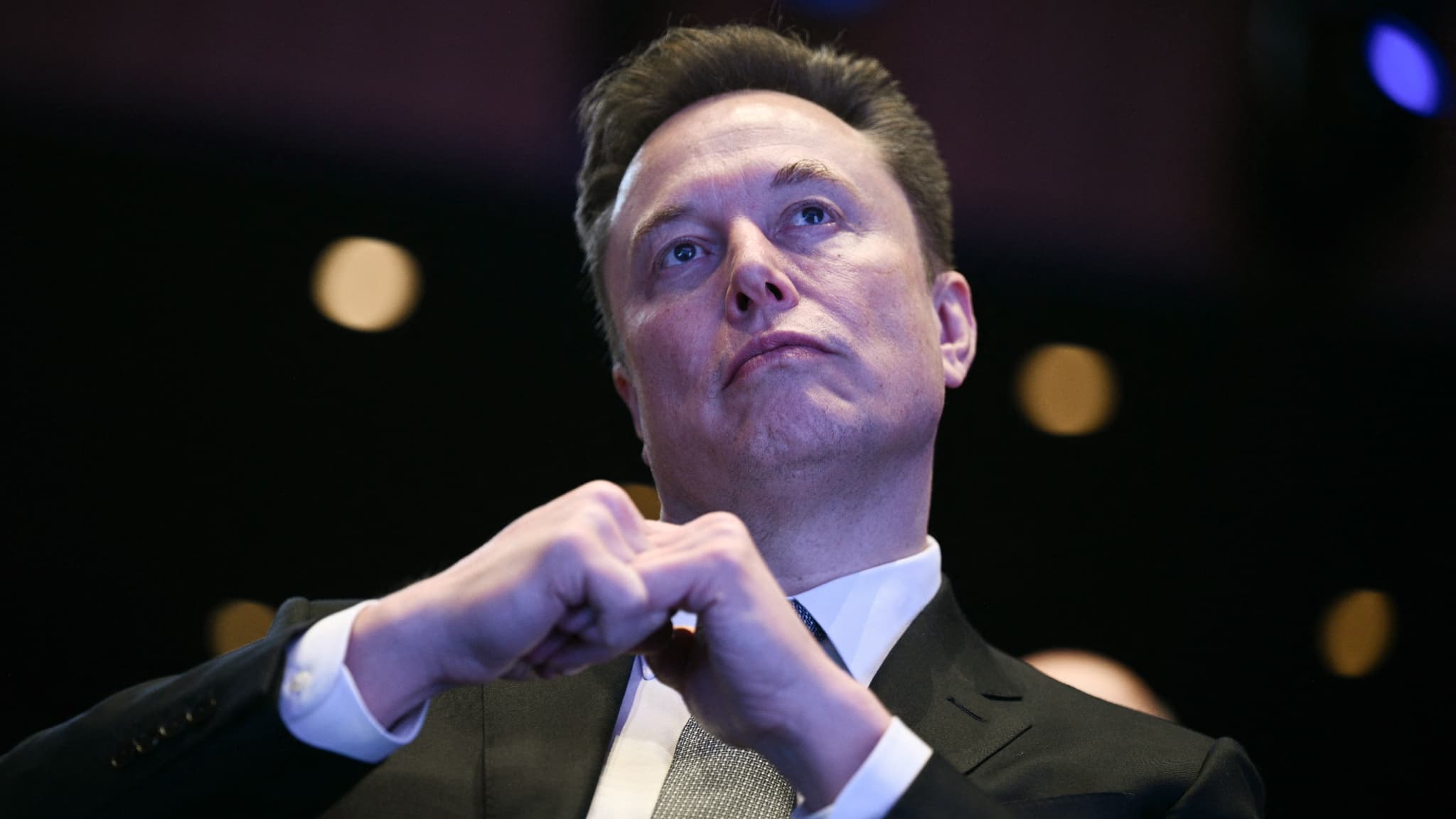
Elon Musk Ordered to Appear in French Court Over Deepfake and Foreign Interference Allegations
Elon Musk has been summoned to appear before a French court on Monday to answer questions related to an investigation into the alleged use of deepfake technology, disinformation campaigns, and potential foreign interference in French democratic processes. The summons, issued by investigating judges in Paris, marks a significant escalation in France’s scrutiny of how influential tech figures may be implicated in coordinated efforts to spread manipulated media and undermine public trust.
The judicial inquiry, which began in late 2023, focuses on whether foreign actors — potentially linked to state-backed disinformation networks — used synthetic media, including AI-generated videos and audio, to amplify false narratives during sensitive political periods in France. Investigators are examining whether such content was disseminated via social media platforms, particularly X (formerly Twitter), which Musk acquired in 2022, and whether platform policies or inaction facilitated the spread of harmful deepfakes.
While Musk himself is not accused of creating deepfake content, prosecutors are seeking to determine whether his leadership decisions at X — including changes to content moderation, verification systems, and algorithmic amplification — may have inadvertently or knowingly enabled the virality of manipulated media that could constitute foreign interference under French law.
Understanding the Legal Basis: France’s Laws Against Digital Manipulation and Foreign Influence
France has some of the most stringent regulations in Europe targeting disinformation and foreign interference in domestic affairs. Under the 2018 Law on the Fight Against Information Manipulation (Loi contre la manipulation de l’information), it is illegal to knowingly disseminate false information designed to distort the outcome of elections or undermine national security. The law also empowers authorities to investigate platforms that fail to take adequate measures against coordinated inauthentic behavior.
In 2022, France expanded these provisions through the Digital Services Act (DSA)-aligned legislation, requiring very large online platforms to conduct regular risk assessments related to election integrity, disinformation, and systemic risks posed by AI-generated content. Non-compliance can result in fines of up to 6% of global turnover.
According to a statement from the Paris prosecutor’s office, the current investigation includes analysis of specific deepfake videos that falsely depicted French political figures making inflammatory statements. One such video, which surfaced ahead of the 2024 European Parliament elections, showed a fabricated speech by a prominent candidate endorsing extremist policies. The clip was viewed hundreds of thousands of times before being removed.
Official text of France’s 2018 anti-manipulation law provides the legal foundation for the inquiry, while guidance from the French data protection authority (CNIL) outlines platform obligations regarding synthetic media.
Deepfakes and the Rise of AI-Powered Disinformation
The term “deepfake” refers to synthetic media created using artificial intelligence, particularly deep learning models, to convincingly superimpose one person’s likeness onto another’s body or to generate realistic but entirely fabricated audio and video. While the technology has legitimate uses in entertainment and education, its misuse poses significant risks to democratic processes, personal reputation, and public safety.
Experts warn that deepfakes are becoming increasingly difficult to detect, especially as generative AI tools grow more accessible. A 2023 report by the European Union Agency for Cybersecurity (ENISA) found that deepfake-related incidents in the EU increased by over 300% between 2021 and 2023, with political manipulation cited as a growing motive.
In France, authorities have expressed particular concern about the use of deepfakes to impersonate public officials during election cycles. The French National Agency for the Security of Information Systems (ANSSI) issued a warning in early 2024 urging vigilance against AI-generated disinformation, noting that even low-quality fakes can spread rapidly when amplified by social media algorithms.
ENISA’s 2023 threat landscape report on AI details the evolving risks of synthetic media, while ANSSI’s 2024 alert provides context for France’s heightened scrutiny.
Musk’s Leadership at X and Content Policy Shifts
Since acquiring Twitter in October 2022 and rebranding it as X, Elon Musk has implemented sweeping changes to the platform’s content moderation policies. These include reinforming previously banned accounts, reducing reliance on automated detection systems, and dissolving the Trust and Safety Council — a move criticized by experts and civil society groups.
In early 2023, Musk publicly dismissed concerns about election interference on the platform, stating that “freedom of speech” must be prioritized over content removal. However, internal documents leaked to journalists and later referenced in European Parliament hearings suggested that some teams warned of increased vulnerability to coordinated inauthentic behavior following policy changes.
The French investigation is reportedly examining whether these policy shifts created conditions conducive to the spread of deepfakes and foreign-backed disinformation. Investigators have requested data from X regarding content removal requests, account takedowns related to synthetic media, and responses to legal orders from French authorities.
X has not publicly commented on the specific summons, but in a general statement to regulators in 2023, the company said it “complies with valid legal requests” and continues to invest in AI-based detection tools. A spokesperson for X declined to provide further detail when contacted by World Today Journal.
European Parliament hearing on X’s content policies (September 2023) includes testimony relevant to the French inquiry, while X’s current rules reflect the post-acquisition policy framework.
Implications for Tech Accountability and Digital Sovereignty
The summons of Elon Musk reflects a broader trend in Europe toward asserting digital sovereignty and holding powerful technology figures accountable for the societal impact of their platforms. Unlike in the United States, where Section 230 of the Communications Decency Act provides broad liability shields, European courts have increasingly ruled that platforms can be held responsible for systemic failures in content moderation.
Legal analysts note that while it is uncommon for a foreign CEO to be personally summoned in such investigations, French judges have precedent for compelling testimony from individuals deemed to have decisive influence over platform operations. In 2021, a French judge summoned the CEO of Telegram over refusal to provide data in a terrorism investigation — a case that ultimately led to limited cooperation.
If the court finds that Musk’s decisions at X contributed to an environment where deepfakes could spread unchecked as part of a foreign interference campaign, it could set a precedent for holding tech leaders personally accountable under information manipulation laws — even absent direct involvement in content creation.
Conversely, if no direct link is established between Musk’s actions and the alleged disinformation network, the case may still reinforce expectations that platforms must proactively mitigate risks associated with AI-generated content, regardless of intent.
What Happens Next: Legal Proceedings and Platform Oversight
Elon Musk is required to appear before the investigating judges in Paris on Monday morning. The hearing is expected to focus on X’s content moderation practices, response to legal requests from French authorities, and internal assessments of risks related to synthetic media and foreign influence.
Following the testimony, the judges will determine whether to proceed with formal charges, which could include allegations of complicity in the dissemination of manipulated information or failure to prevent foreign interference. Under French law, such charges could lead to judicial oversight, fines, or mandated operational changes — though imprisonment is unlikely for corporate governance matters unless intentional wrongdoing is proven.
The case is part of a wider wave of regulatory actions against major tech platforms in the EU, including ongoing investigations under the Digital Services Act into X’s handling of illegal content, disinformation, and algorithmic transparency. The European Commission has already opened formal proceedings against X under the DSA, with potential penalties reaching billions of euros.
For now, the outcome of Monday’s hearing will be closely watched by policymakers, tech leaders, and civil society advocates as a bellwether for how democracies respond to the challenges posed by AI-driven deception and foreign influence in the digital age.
Readers seeking updates on the case can follow official filings through the French Ministry of Justice portal or monitor statements from the CNIL and ANSSI regarding deepfake risks and platform obligations.
We invite our global audience to share thoughtful perspectives on this developing story. How should societies balance innovation in AI with the need to protect democratic discourse? Join the conversation in the comments below and share this article to help inform others.