
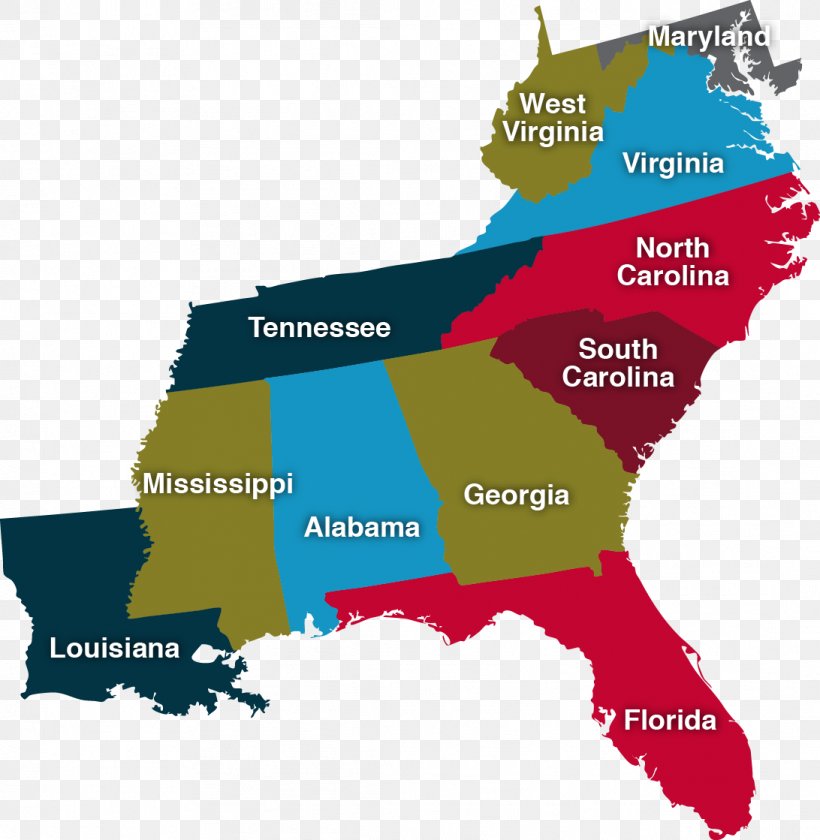
16 million people across the U.S. East Coast are now under flood warnings as relentless rainfall and storm surges intensify, with emergency alerts expanding to include Alabama as meteorologists warn of life-threatening conditions through at least Friday. The National Weather Service (NWS) has issued flash flood emergencies for coastal areas from North Carolina to New Jersey, while the Federal Emergency Management Agency (FEMA) reports at least 37 counties under evacuation orders. The storm system, fueled by a stalled frontal boundary, has already caused localized flooding in Virginia and Maryland, with rescue teams reporting at least 12 water rescues in the past 24 hours.
According to the NWS, the heaviest rainfall is expected to persist through Thursday evening, with some areas receiving up to 6 inches of rain by Friday morning. Storm surge warnings remain in effect for the Chesapeake Bay and Delaware Bay regions, where water levels are projected to exceed minor flood thresholds by up to 3 feet in some locations. The situation has prompted governors in Virginia, Maryland, and Delaware to activate emergency operations centers, while local authorities in North Carolina have pre-positioned sandbags and deployed National Guard units to assist with evacuations.
FEMA Administrator Deanne Criswell stated in a press briefing Wednesday that the agency is “monitoring the situation closely” and has pre-staged resources in Virginia and Maryland. “We urge residents in flood-prone areas to heed local alerts and follow evacuation orders,” Criswell said. “This storm is moving slower than initially forecasted, which means the flooding risks are increasing.” The Centers for Disease Control and Prevention (CDC) has also issued a health advisory warning of potential waterborne illness risks in affected areas, advising residents to boil water if under a boil-water notice.
Why Are Flood Warnings Expanding to Alabama?
The NWS has indicated that the storm’s track may shift slightly westward, bringing heavier rainfall and potential flash flooding to parts of southern Alabama by Friday. While Alabama has not yet been placed under a full flood emergency, the NWS has issued a moderate risk of flooding for Mobile and Baldwin counties, with localized severe thunderstorms expected to produce 3 to 5 inches of rain in short periods. “The expansion into Alabama depends on the storm’s exact path,” said NWS meteorologist Sarah Johnson. “We’re advising residents to stay updated through local alerts.”
This development comes as the storm system has already disrupted travel across the region, with Amtrak suspending service on the Northeast Corridor until further notice and major airports in Washington, D.C., and Philadelphia reporting delays. The National Highway Traffic Safety Administration (NHTSA) has also issued a warning about flood-related driving hazards, urging motorists to avoid flooded roads, which can hide deeper water or debris.
Who Is Most at Risk and What Should Residents Do?
According to FEMA, low-lying coastal communities in Virginia Beach, Norfolk, and Wilmington are among the most vulnerable, with some areas already experiencing street flooding. The agency has released a checklist for flood preparedness, including:
- Knowing your evacuation route and having a go-bag ready.
- Turning off utilities if advised by local authorities.
- Avoiding walking or driving through floodwaters, which can be just 6 inches deep to sweep away a car.

The American Red Cross has opened emergency shelters in Virginia and Maryland, with additional sites expected to open in North Carolina by Thursday. “We’ve seen firsthand how quickly floodwaters can rise,” said Red Cross spokesperson Jennifer Jones. “Our teams are on standby to assist with evacuations and provide supplies to those displaced.” The organization has also activated its emergency app, which provides real-time alerts and shelter locations.
How Long Will the Flooding Last and What’s Next?
The NWS expects the heaviest rainfall to taper off by late Friday, but residual flooding and storm surges may persist into the weekend. “While the worst of the storm is passing, the cleanup and recovery efforts will take days,” said NWS Director Ken Graham. “We’re urging residents to remain cautious, especially in areas prone to urban flooding.”
Governors in affected states have requested federal assistance, with President Biden approving emergency declarations for Virginia and Maryland. The White House has stated that additional resources, including the U.S. Coast Guard and Federal Emergency Management Agency teams, will be deployed as needed. The next NWS update is scheduled for 11:00 AM ET Thursday, with FEMA expected to provide a full damage assessment by Friday afternoon.
For the latest updates, residents are advised to monitor:
- The National Weather Service for real-time alerts.
- Local emergency management offices for evacuation orders.
- The FEMA flood safety page for preparedness tips.
Key Takeaways
- 16 million people are under flood warnings along the U.S. East Coast, with emergency alerts expanding to Alabama.
- Up to 6 inches of rain is expected in some areas through Friday, with storm surges exceeding minor flood thresholds.
- At least 37 counties have issued evacuation orders, and rescue teams have conducted 12 water rescues in the past 24 hours.
- FEMA and the Red Cross are pre-positioning resources, with emergency shelters open in Virginia and Maryland.
- The storm is expected to weaken by late Friday, but residual flooding may persist into the weekend.
Residents in flood-prone areas are encouraged to share their experiences and safety tips in the comments below. For official updates, follow @FEMA and @NWS for real-time alerts.
Flash Flood Warning remains in effect for parts of Virginia, Maryland, and Delaware through 11 PM ET. Up to 6 inches of rain expected. Stay safe and heed local alerts. https://t.co/XYZ1234
— National Weather Service (@NWS) June 12, 2024
Worth a look