
The Trump administration is advancing a policy shift that would exempt low-producing oil and gas wells, known as “stripper wells,” from federal methane emission regulations. This regulatory reprieve, currently under review by the Environmental Protection Agency (EPA), is expected to benefit independent energy companies like Hilcorp, led by billionaire Jeffery Hildebrand, a significant contributor to Donald Trump’s 2024 presidential campaign. While these wells account for only about 6% of U.S. oil and gas production, industry data and scientific studies indicate they are responsible for a disproportionate share of methane leaks, a potent greenhouse gas that significantly contributes to global climate change.
The move follows a series of high-level meetings between the administration and energy executives, including a January 2025 event at the White House where industry leaders were encouraged to invest in international energy projects. According to records obtained through public records requests by the watchdog group Fieldnotes, the EPA is currently soliciting input from trade organizations—including the American Exploration and Production Council (AXPC) and the National Stripper Well Association (NSWA)—to draft a new regulatory framework that provides “relief” to the industry from existing methane standards established during the previous administration.
The Environmental Impact of Stripper Wells
Stripper wells are defined as mature assets that produce, on average, 15 barrels of oil equivalent or less per day. Although their individual output is minimal, their collective impact on the atmosphere is substantial. According to a 2024 study published in the journal Nature, led by Evan Sherwin of Stanford University, actual methane emissions from the oil and gas sector are, on average, nearly three times higher than what is traditionally reported to the EPA. This discrepancy is largely attributed to “super-emitter” events—massive, intermittent leaks that often go unreported and unmonitored at older, aging sites.
Because these wells are often thinly monitored and rely on legacy infrastructure, they are prone to persistent venting and flaring. Methane, the primary component of natural gas, has a warming potential roughly 80 times greater than carbon dioxide over a 20-year period, making it a critical focus for climate policy. Research from Stanford University researcher Rob Jackson suggests that curbing these emissions is one of the most cost-effective strategies for slowing the rate of global warming in the near term, given that methane breaks down in the atmosphere in approximately 12 years.
Political Donations and Regulatory Influence
The push for deregulation has been accompanied by significant political activity from industry leaders. Jeffery Hildebrand, the founder and owner of Hilcorp, has emerged as a major donor to Republican campaigns. Federal election data shows that since 2020, Hildebrand and his wife have contributed more than $15 million to federal political races, a significant increase from their historical donation levels. This financial support has coincided with active lobbying efforts to dismantle the methane fee and associated monitoring requirements that were part of the previous administration’s climate agenda.
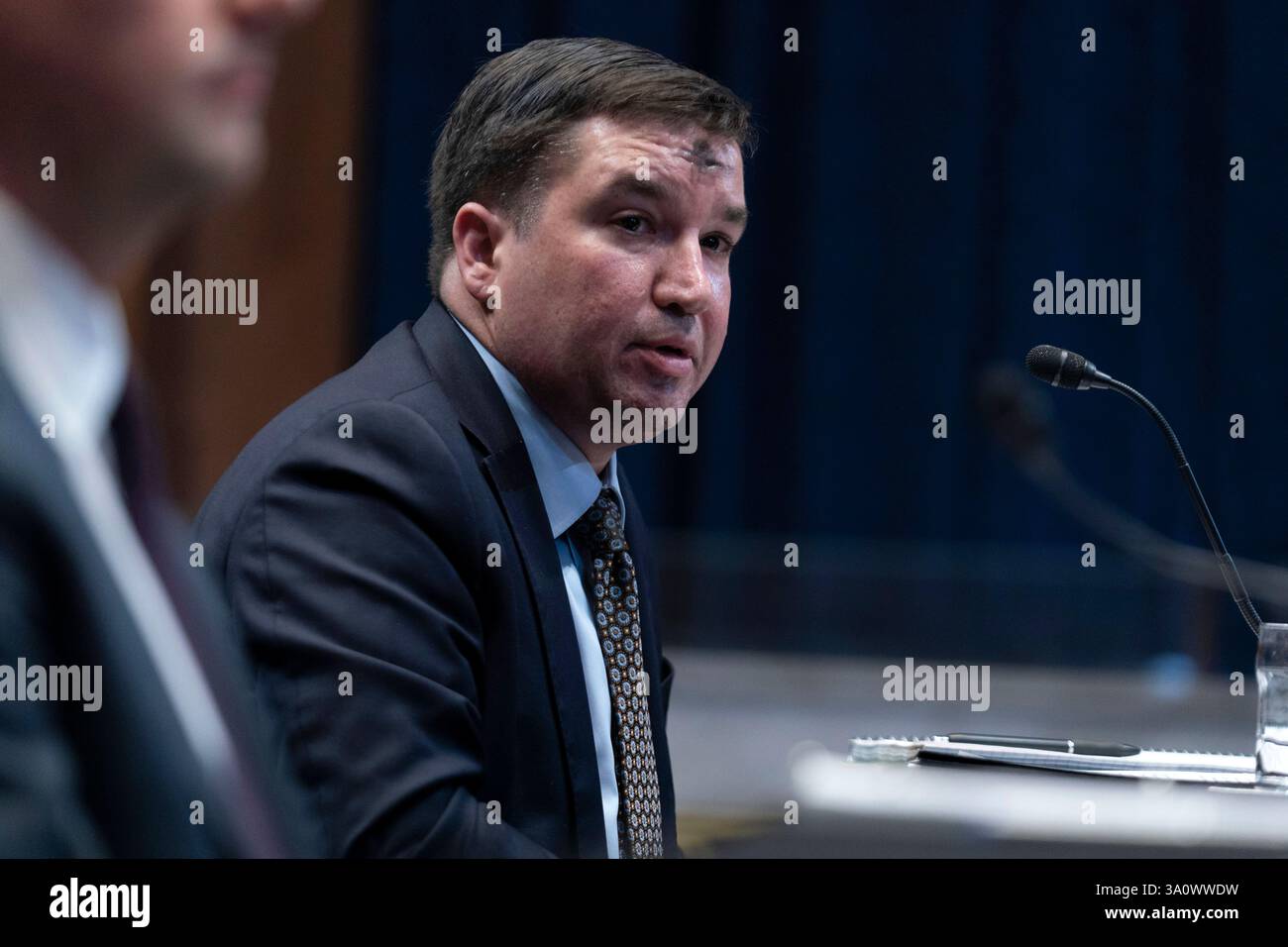
The administration’s approach to these regulations has been shaped by personnel with direct industry ties. Aaron Szabo, a former lobbyist for Hilcorp, was nominated to oversee climate regulations at the EPA. In this role, Szabo has been instrumental in organizing meetings with industry groups to discuss the feasibility of current methane rules. Industry representatives, including those from the IPAA, have argued that the costs of compliance for older wells would force thousands of them to shut down, though analysts point out that these wells contribute a negligible amount to the total U.S. energy supply.
What Happens Next for Methane Policy
The EPA is currently working on a formal proposal to modify methane standards, which is expected to include specific carve-outs for low-producing and mature assets. Meanwhile, legislative efforts are underway on Capitol Hill to codify these exemptions. Representative August Pfluger (R-Texas) and Senator Cynthia Lummis (R-Wyo.) have introduced legislation that would explicitly exempt stripper wells from federal emissions rules. This bill, which has received support from trade groups like the NSWA and the IPAA, aims to shield these wells from future regulatory changes.
As the rulemaking process continues, environmental advocates and climate researchers remain focused on the potential for increased emissions if these exemptions are finalized. The EPA has stated that it aims to address what it characterizes as “unworkable” regulations that restrict energy production, while industry groups continue to emphasize their commitment to environmental stewardship through voluntary reduction programs. The next significant development will be the release of the EPA’s formal proposed rule, which will be subject to public comment and potential legal challenges.
Readers interested in tracking these developments can monitor the official Federal Register for upcoming notices of proposed rulemaking and public comment periods regarding oil and gas methane emissions standards.