
Tensions have reached a boiling point in Albania as thousands of citizens take to the streets of Tirana to voice their opposition to proposed luxury tourism developments. The projects, which have drawn significant international attention due to the involvement of Jared Kushner—the son-in-law of former U.S. President Donald Trump—have become a flashpoint for broader anxieties regarding environmental preservation, government transparency, and the influence of foreign capital on the Balkan nation’s sovereignty.
As the Editor of the World section here at World Today Journal, I have spent over a decade reporting on the delicate balance between economic development and the protection of natural heritage. What we are witnessing in Albania is a classic, albeit high-stakes, struggle: a government eager to boost its tourism sector through foreign direct investment facing a skeptical public concerned about the long-term cost of that growth. The proposed developments, particularly those targeting ecologically sensitive areas like Sazan Island, have sparked intense debate over the legal frameworks governing protected lands.
The Core of the Controversy: Sazan Island and Zvërnec
The primary point of contention centers on plans by Affinity Partners, the investment firm led by Jared Kushner, to transform Sazan Island—a former military base—and the Zvërnec area into high-end tourist destinations. The Albanian government has presented these projects as a transformative opportunity to elevate the country’s profile as a luxury travel hub. However, environmental activists and opposition groups argue that these sites are protected under national law and that development could cause irreversible damage to fragile ecosystems.

Legal experts note that the process has been marked by legislative shifts. In early 2024, the Albanian parliament passed amendments to the Law on Protected Areas, a move that critics claim weakens environmental protections and paves the way for commercial construction in previously restricted zones. The government maintains that these changes are necessary to streamline investment, but for many Albanians, the speed and nature of these legislative adjustments suggest a lack of public consultation.
Environmental and Corruption Concerns
The protests are not merely about tourism; they are rooted in a profound distrust of the opaque processes that often accompany large-scale infrastructure deals. Transparency International’s recent reports continue to highlight ongoing challenges regarding corruption and the rule of law in Albania, which frame the public’s skepticism. When foreign investment is perceived as being fast-tracked through political connections rather than competitive, transparent bidding, it inevitably invites public scrutiny.

Environmental groups, including local chapters of national conservation organizations, have voiced concerns that building luxury resorts on Sazan Island—which is part of the Karaburun-Sazan National Marine Park—threatens Mediterranean biodiversity. These groups argue that the government’s push for “elite tourism” prioritizes the interests of wealthy investors over the rights of the Albanian people to maintain their natural heritage. The Council of Europe has previously raised concerns regarding the management of protected areas in the region, emphasizing the necessity of adhering to international standards for biodiversity conservation.
Key Takeaways for Observers
- The Project Scope: Affinity Partners seeks to develop luxury resorts on Sazan Island and in the Zvërnec region.
- Legislative Context: Recent amendments to the Law on Protected Areas have significantly lowered the threshold for commercial development in protected zones.
- Public Sentiment: Protesters argue that the deals were negotiated without sufficient public oversight or environmental impact assessments.
- Government Position: The administration of Prime Minister Edi Rama views these investments as essential for economic modernization and job creation.
What Happens Next?
As the situation develops, all eyes are on the potential for legal challenges. While the government currently holds the authority to move forward with lease agreements, the sustained pressure from civil society organizations suggests that the path to construction will not be seamless. The next critical checkpoint will be the release of detailed environmental impact studies for the proposed sites, which are expected to face rigorous scrutiny from international observers and local watchdog groups.
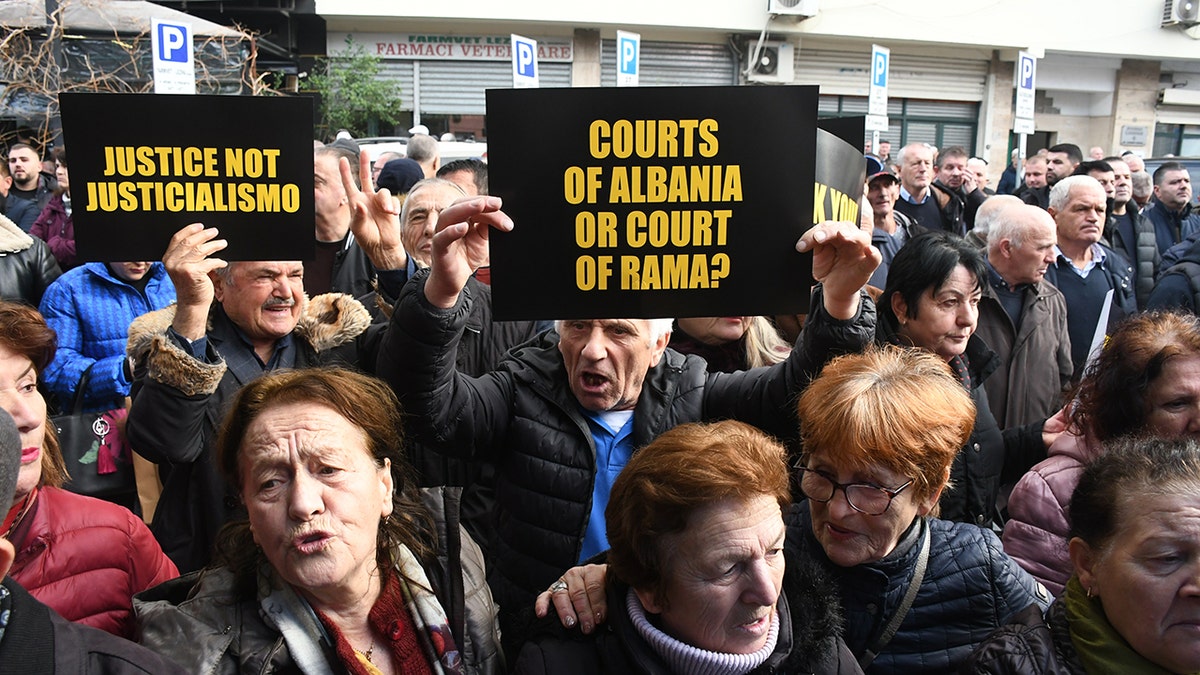
For those tracking this story, it is essential to monitor official announcements from the Albanian Ministry of Tourism and Environment. Any future court filings or challenges to the constitutional validity of the Law on Protected Areas will be the primary indicators of whether these projects proceed as planned or are forced to undergo significant revision. We will continue to follow these proceedings closely as they evolve.
What are your thoughts on the balance between economic development and environmental conservation in the Balkans? Share your perspective in the comments below, and subscribe to our newsletter for verified updates on this unfolding story.
- Bang Jack Arrested in US: CSI LA Confirms Missing Influencer is in Washington Detention Center After Rumors of Disappearance
- Manolay’s New York Lifestyle: Living Like the Rich?
- Liverpool Beat Sunderland 4-2 But Joe Gomez Injury Concerns Iraola (time.news)
- Vivek Ramaswamy’s Potential Ohio Governorship Sparks Resident Concerns (news-usa.today)