
The Albanian government has granted preliminary approval for a luxury tourism development on the country’s coastline, triggering ongoing public demonstrations and legal challenges from environmental advocacy groups. The proposed project, which involves investment interest linked to Jared Kushner’s firm, Affinity Partners, has become a focal point for concerns regarding land use, transparency, and the preservation of protected ecological zones along the Adriatic and Ionian seas. According to government documents, the project seeks to transform areas previously designated as protected into high-end tourist destinations.
Environmental organizations, including the Balkan Investigative Reporting Network (BIRN), have raised concerns regarding the legal framework used to bypass standard development restrictions. These groups argue that the government’s recent legislative changes to the Law on Strategic Investments have favored private developers over public environmental interests. The tension reflects a broader debate in Albania concerning the balance between economic growth through foreign direct investment and the protection of natural resources.
The Scope of the Proposed Development
The development plans center on the island of Sazan and the Zvërnec area, located near the city of Vlorë. The Albanian government has identified these sites as key locations for “strategic investments” aimed at boosting the country’s tourism sector. As reported by Reuters, Affinity Partners has expressed interest in developing these areas into luxury resorts. The government’s preliminary approval allows for the transition of state-owned land into private lease agreements, a move that critics argue lacks sufficient public oversight.

For those tracking the legal status of the project, the Albanian Investment Development Agency (AIDA) serves as the primary entity managing these applications. Under current regulations, projects classified as “strategic” benefit from expedited permitting processes and state-provided infrastructure support. However, local activists and international observers note that the lack of public consultation for these specific sites has fueled the current wave of protests.
Legal Challenges and Environmental Concerns
Legal opposition to the project is primarily driven by the argument that the developments violate existing environmental protections. The Zvërnec area, in particular, is home to the Vjosa-Narta Protected Landscape, which is recognized as a critical habitat for migratory birds and rare flora. According to reports from Bloomberg, environmental groups have filed formal complaints with the Albanian administrative courts, seeking to halt the construction on the grounds that it violates both national law and international biodiversity conventions.
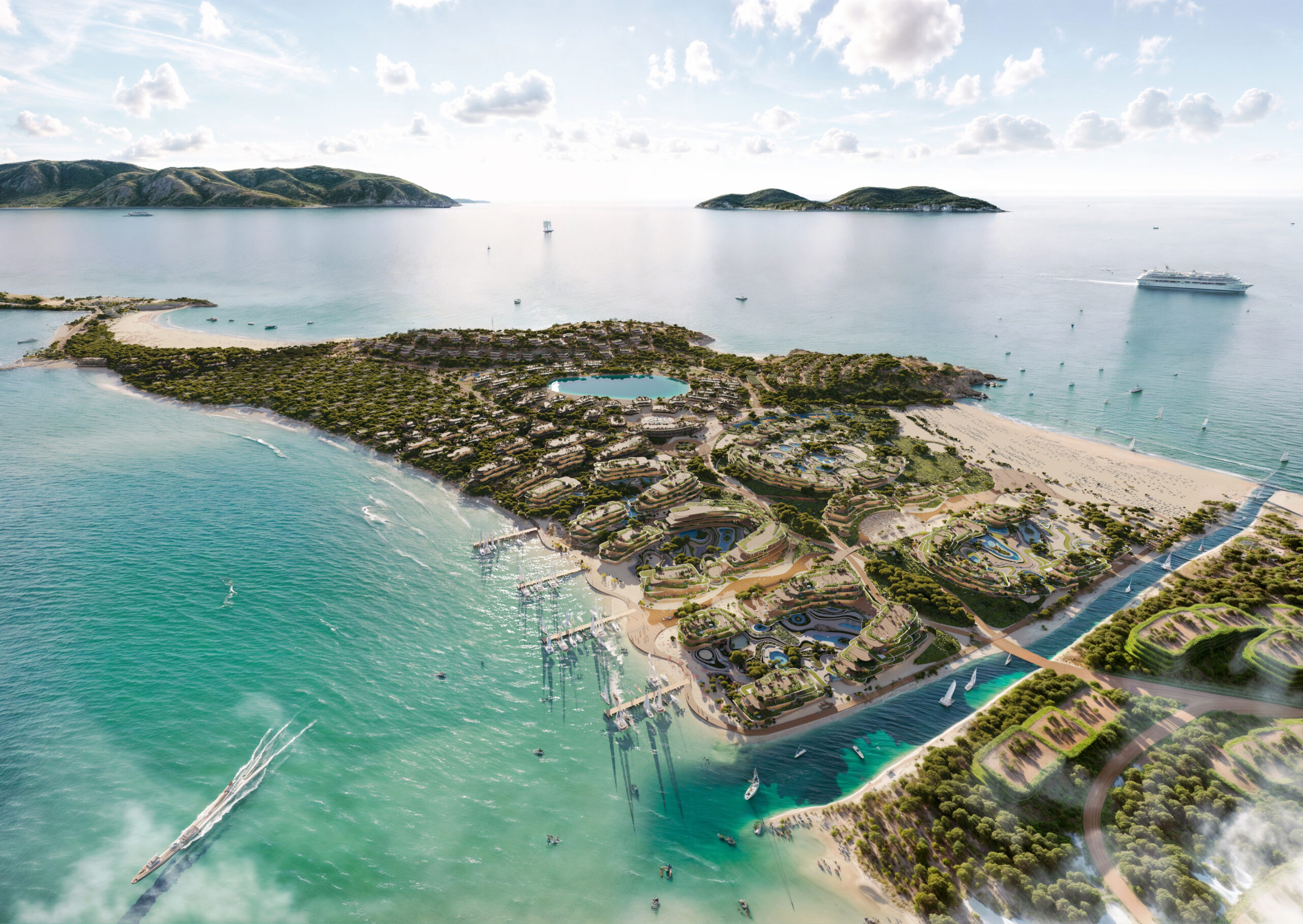
The government maintains that the projects will bring necessary capital and employment opportunities to the region. Prime Minister Edi Rama has publicly defended the initiative, stating that such investments are essential for Albania to compete in the Mediterranean tourism market. Yet, the opposition remains firm, citing the potential for irreversible damage to the coastline’s ecosystem. The legal proceedings remain in the early stages, with courts currently reviewing the validity of the environmental impact assessments submitted by the developers.
Public Sentiment and Protests
Daily protests have occurred in Tirana and near the proposed sites, with demonstrators voicing concerns over the privatization of public coastal land. The public discourse is characterized by a deep skepticism toward the government’s transparency regarding the terms of the deals. Many participants in these protests argue that the legislative changes designed to facilitate these investments were pushed through parliament without adequate debate or public participation.
As an observer of public health and policy, it is clear that the intersection of environmental health and infrastructure development is a high-stakes issue for the Albanian public. The preservation of coastal ecosystems is not merely a matter of conservation; it is an issue of long-term sustainability for local communities that rely on these landscapes for their livelihoods. The ongoing demonstrations serve as a barometer for the current state of civic engagement in Albania, highlighting a demand for more inclusive decision-making processes.
What Happens Next
The project is currently awaiting further administrative review. The next significant checkpoint involves the finalization of the environmental impact assessments and potential court rulings regarding the legal status of the land designations. Interested parties can monitor official updates through the Albanian Investment Development Agency (AIDA), which is responsible for publishing the status of strategic investment applications.
As of this writing, no construction has commenced on the sites. The outcome of the pending litigation will likely set a precedent for how the Albanian government manages future development projects in sensitive environmental areas. We will continue to track these developments as court filings are released and as the government provides further clarity on the terms of the proposed lease agreements.
We encourage our readers to participate in the conversation by sharing their perspectives on the balance between economic development and environmental protection. Please leave your comments below to contribute to the discussion on this evolving issue.
Keep reading