
Ukrainian forces launched a significant coordinated drone strike targeting the Russian capital and surrounding regions, marking a persistent escalation in long-range aerial warfare. According to the Russian Ministry of Defense, air defense systems intercepted and destroyed dozens of unmanned aerial vehicles (UAVs) across multiple provinces, including the Moscow region, as officials scrambled to mitigate the impact on critical infrastructure and residential areas. The operation, which took place amid ongoing hostilities, highlights a shift toward targeting industrial centers far from the front lines.
As the conflict enters its third year, the strategic focus on energy infrastructure remains a defining feature of the war’s current phase. Reports from regional authorities indicate that debris from the intercepted drones caused localized fires, specifically impacting fuel storage facilities. While Moscow officials have emphasized the effectiveness of their defensive response, the frequency of these deep-strike operations has forced a reassessment of domestic security measures and the vulnerability of the Russian petroleum sector to asymmetric aerial threats. Reuters has reported that such barrages represent some of the largest drone attacks on the capital since the start of the full-scale invasion.
Strategic Targeting of the Russian Energy Sector
The primary objective of recent Ukrainian long-range strikes appears to be the degradation of Russia’s refining capacity. By targeting oil depots and refineries, Kyiv aims to disrupt the logistical chain that supplies fuel to both the Russian military and the domestic civilian economy. According to analysis from Bloomberg, these strikes have successfully impacted a significant percentage of Russia’s primary oil refining capacity, leading to temporary outages and increased pressure on fuel prices within the country.
:max_bytes(150000):strip_icc()/moscow-kremlin-and-st-basil-cathedral-at-dusk-158200423-5a64f4594e46ba00377331fb.jpg "Strategic Targeting of the Russian Energy Sector")
The impact of these strikes is felt beyond the immediate blast zones. Logistics experts note that when a major facility is taken offline for repairs, the regional supply of gasoline and diesel tightens, creating a cascading effect on transportation networks. While the Kremlin has consistently downplayed the economic impact of these drone operations, the consistent focus on refineries suggests a calculated effort by Ukrainian forces to maximize the long-term economic cost of the conflict for the Russian state.
Defensive Capabilities and Public Response
Russian air defense units, including Pantsir-S1 systems deployed around major cities, have been the primary line of defense against the incoming waves of drones. The Ministry of Defense in Moscow maintains that the vast majority of the incoming threats are neutralized before they can reach their intended targets. However, the sheer volume of drones used in recent waves—often launched in clusters to overwhelm defensive sensors—poses a persistent challenge to the Russian military’s capacity to protect every vulnerable site.

Residents in affected areas have been advised by local emergency services to exercise caution, particularly regarding debris. In the Krasnodar region, authorities have confirmed that falling wreckage ignited fires at industrial sites, requiring immediate intervention from emergency crews. These incidents are documented through official regional updates, which detail the containment efforts of local fire brigades. Transparent communication from local governors has become a key element in managing public anxiety as the drone strikes continue to penetrate deep into Russian territory.
The Evolution of Asymmetric Warfare
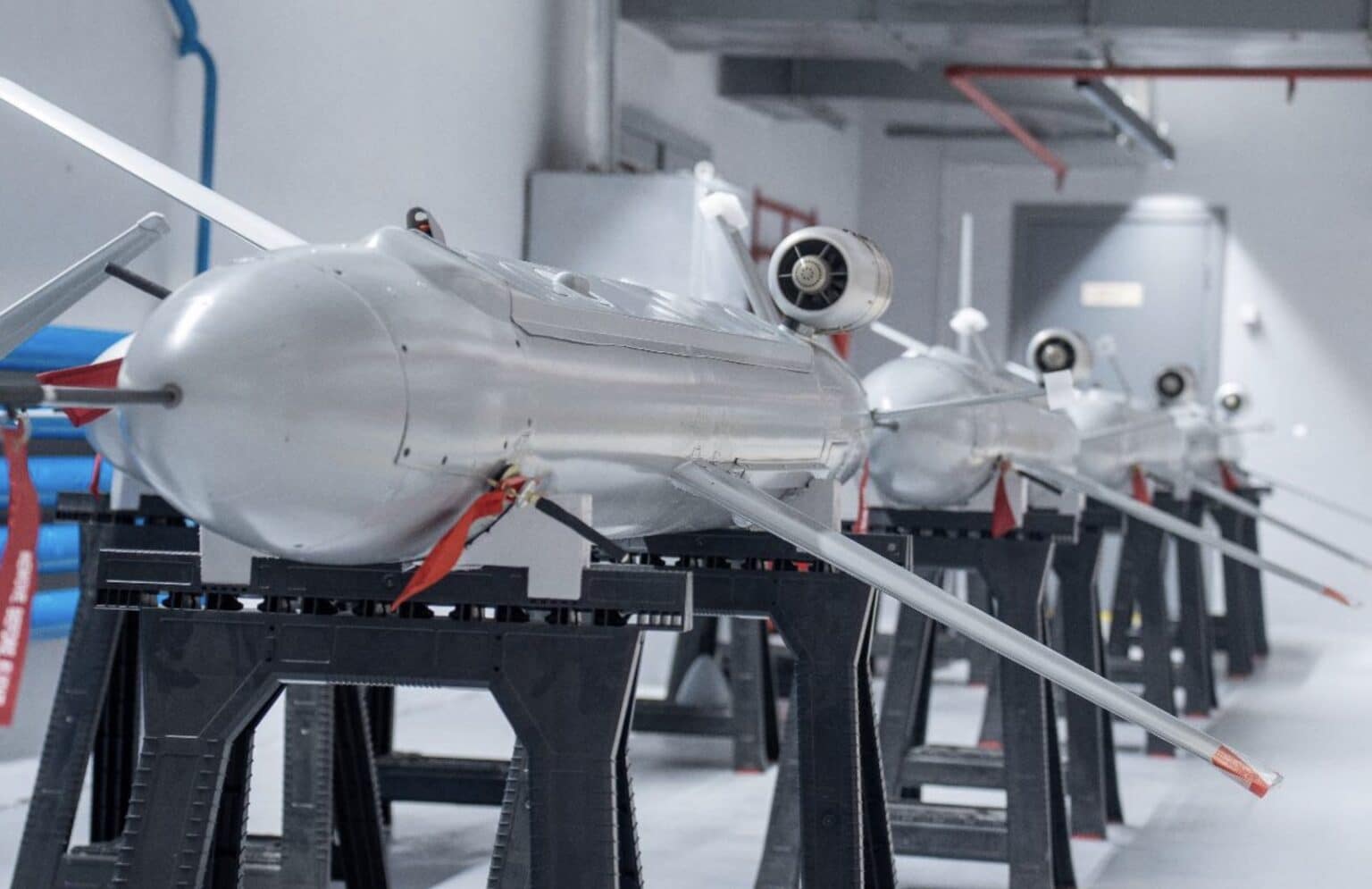
The tactical use of drones in this conflict has evolved rapidly since 2022. Early in the war, the use of UAVs was largely restricted to tactical reconnaissance and short-range artillery spotting. Today, the deployment of long-range, fixed-wing drones capable of autonomous navigation represents a significant leap in capability. As noted in strategic assessments by the Center for Strategic and International Studies (CSIS), the innovation cycle for these platforms is being driven by both state-funded programs and private-sector partnerships, allowing for a constant iteration of hardware and software to bypass evolving Russian electronic warfare countermeasures.
For international observers, the question remains how these deep-strike capabilities will influence the overall trajectory of the war. While these strikes have not yet forced a decisive change in Russian military policy, they have undeniably introduced a new layer of risk for the Kremlin. The ability to project power over hundreds of kilometers into Russia’s heartland serves as a critical bargaining chip for Kyiv and a point of strategic vulnerability for Moscow.
Looking Ahead: Future Security Challenges
The next phase of this aerial campaign will likely hinge on the resilience of Russian defensive infrastructure and the continued availability of drone components for Ukrainian forces. As international sanctions continue to complicate the Russian military’s ability to procure high-end electronics, the reliance on domestic, albeit often less sophisticated, air defense systems may grow. Conversely, Ukraine’s ability to sustain these operations depends on the continued flow of technology and intelligence from its international partners.
Official status updates regarding the reconstruction of damaged refineries and the status of fuel reserves are expected in the coming weeks as state committees complete their damage assessments. Readers interested in tracking the ongoing situation are encouraged to monitor updates from the Russian Ministry of Defense and verified international reporting agencies for the latest incident reports. We welcome your perspectives on how these developments are shaping the broader conflict—please feel free to share your thoughts in the comments section below.
Keep reading