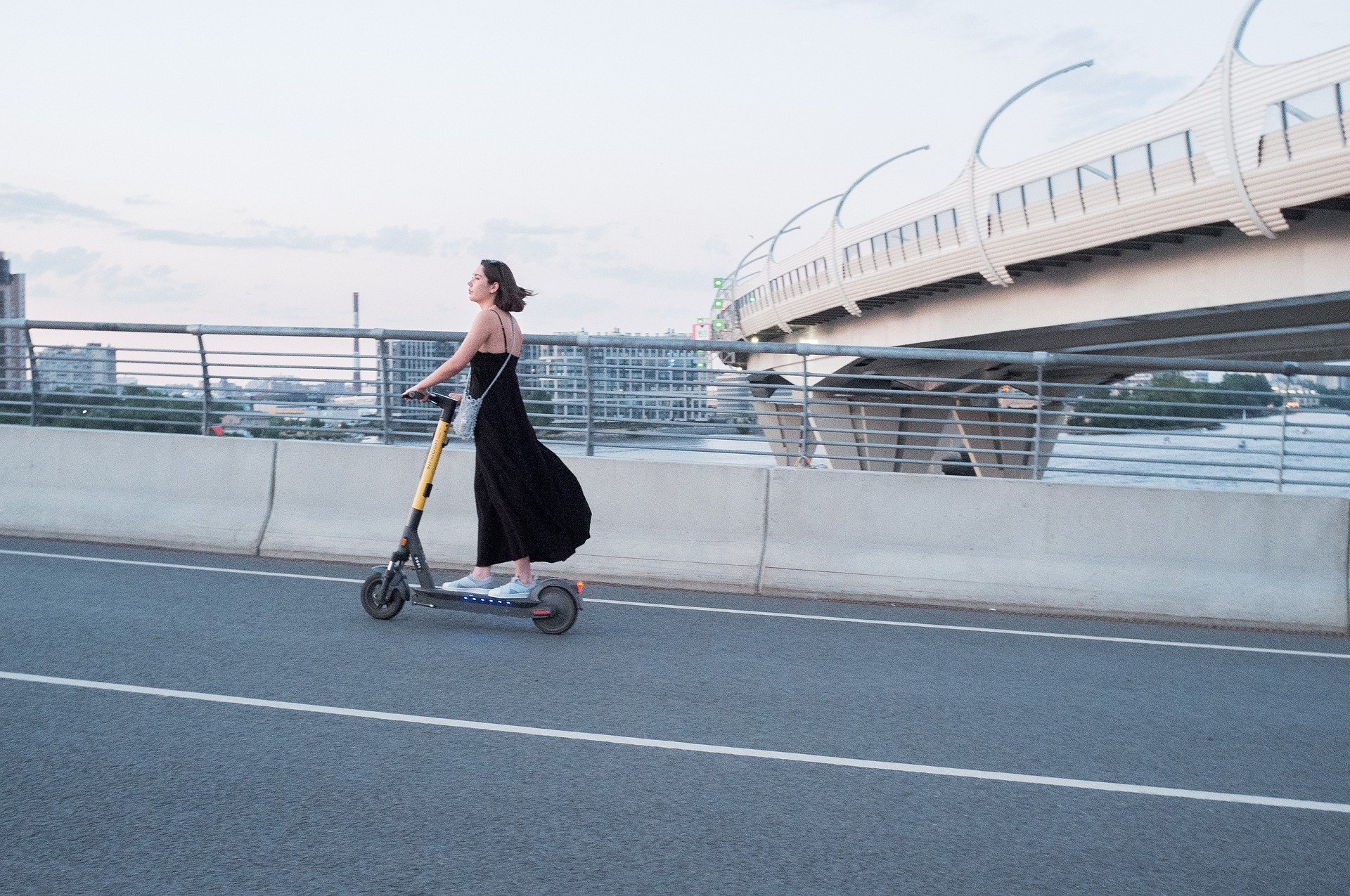
Alcúdia, a municipality on the island of Mallorca, Spain, is implementing new regulations governing the employ of scooters and other personal mobility vehicles (PMVs). The move, announced earlier this year, aims to balance the convenience of these increasingly popular transportation options with the safety of both riders and pedestrians, and to integrate them responsibly into the existing traffic flow. The regulations come as many European cities grapple with the challenges and opportunities presented by the proliferation of e-scooters and similar devices.
The new ordinance, which will be actively enforced following a month-long public awareness campaign, establishes a minimum age of 15 for operating PMVs. Violators face a fine of €200. Crucially, the regulations also mandate the use of helmets and reflective clothing even as riding, and require users to have valid insurance coverage. Riding without a helmet will also incur a €200 fine, while operating a PMV without insurance carries a more substantial penalty of €500. These measures reflect a growing concern across Europe regarding rider safety and liability in the event of accidents. The regulations are a response to increasing incidents involving e-scooters, prompting local authorities to prioritize public safety.
Safety and Regulation: A Growing Trend Across Europe
The decision by Alcúdia’s municipal government isn’t isolated. Cities throughout Europe are increasingly enacting similar legislation to address the challenges posed by the rapid adoption of PMVs. Concerns range from pedestrian safety – particularly on crowded sidewalks – to the potential for reckless riding and the lack of clear legal frameworks surrounding accidents. The regulations in Alcúdia are designed to address these issues head-on, creating a more structured and secure environment for both riders and non-riders. The focus on insurance is particularly noteworthy, as it aims to ensure that victims of accidents involving PMVs have access to adequate compensation.
Beyond the core safety requirements, the Alcúdia ordinance prohibits several behaviors deemed dangerous or disruptive. Riding with a passenger, using headphones, operating a mobile phone while in motion, and riding on sidewalks are all explicitly forbidden. These restrictions are consistent with regulations implemented in other European cities, such as Paris and Berlin, where similar measures have been taken to curb unsafe practices. The aim is to create a clear set of rules that promote responsible riding and minimize the risk of collisions.
Enforcement and Prior Incidents
The municipality has indicated a firm commitment to enforcing the new regulations. Following the one-month information campaign, authorities will begin issuing fines to those found in violation. In 2025, Alcúdia already recorded over 300 infractions related to scooter usage, demonstrating a pre-existing need for clearer guidelines and stricter enforcement. This proactive approach suggests the local government is serious about ensuring compliance and fostering a safer environment for all. The previous number of infractions highlights the importance of the new regulations and the need for increased awareness among users.
The local government emphasizes that personal mobility options like scooters offer a valuable and sustainable alternative to traditional transportation methods. Yet, they stress that this benefit must be balanced with respect for public spaces and the safety of all citizens. This sentiment reflects a broader European trend towards promoting sustainable urban mobility while simultaneously prioritizing public safety and order. The challenge lies in finding the right balance between encouraging innovation and mitigating potential risks.
Understanding the Regulations: Key Restrictions
- Age Restriction: Individuals under 15 years of age are prohibited from operating PMVs.
- Helmet Requirement: All riders must wear an approved helmet.
- Insurance Mandate: Valid insurance coverage is required for all PMV users.
- Visibility: Riders must wear reflective clothing and use lights, especially during periods of low visibility.
- Prohibited Activities: Carrying passengers, using headphones, operating mobile phones, and riding on sidewalks are all prohibited.
The implementation of these regulations in Alcúdia is part of a wider effort to modernize transportation infrastructure and promote sustainable mobility solutions. The municipality recognizes the potential of PMVs to reduce traffic congestion and carbon emissions, but also acknowledges the need to address the associated safety concerns. By establishing a clear regulatory framework, Alcúdia aims to harness the benefits of these technologies while minimizing the risks.
Impact on Tourism and Local Businesses
Alcúdia is a popular tourist destination, and the new regulations could have implications for both visitors and local businesses. Tourists who rely on scooters for transportation will need to be aware of the new rules and ensure they comply with the requirements. Rental companies operating in the area will likely need to adjust their practices to ensure that all customers are informed about the regulations and provided with appropriate safety equipment. The regulations may also influence the demand for scooter rentals, potentially impacting local businesses that rely on this revenue stream. However, proponents argue that a safer environment will ultimately attract more responsible tourists and enhance the overall visitor experience.
The municipality’s one-month information campaign is crucial to ensuring a smooth transition and minimizing disruption. By proactively educating residents and visitors about the new rules, Alcúdia hopes to foster a culture of responsible riding and prevent a surge in fines. The success of the campaign will depend on its reach and effectiveness in communicating the key requirements to all stakeholders. Local businesses and tourism operators have a role to play in disseminating information and promoting safe scooter usage.
The regulations in Alcúdia serve as a case study for other municipalities considering similar measures. The approach taken by Alcúdia – a combination of age restrictions, safety equipment requirements, and prohibited behaviors – could provide a model for balancing the benefits of PMVs with the need to protect public safety. As the popularity of these devices continues to grow, it is likely that more cities will adopt similar regulations in the coming years. The experience of Alcúdia will be closely watched by policymakers and transportation officials across Europe.
Looking ahead, the municipality will continue to monitor the effectiveness of the new regulations and make adjustments as needed. The goal is to create a sustainable and safe transportation ecosystem that benefits both residents and visitors. Regular assessments of accident data and rider behavior will be essential to identifying areas for improvement and ensuring that the regulations remain relevant and effective. The ongoing commitment to public safety and responsible mobility will be key to the long-term success of this initiative.
The next step for Alcúdia will be to assess the impact of the regulations after the initial enforcement period. Data on fines issued, accident rates, and rider compliance will be collected and analyzed to determine whether the measures are achieving their intended goals. Based on this assessment, the municipality may consider further refinements to the regulations or additional safety initiatives. The ongoing evaluation process will ensure that the regulations remain responsive to the evolving needs of the community.
Have your say! What are your thoughts on the new regulations in Alcúdia? Share your comments below and let us know how you think cities should balance the benefits of personal mobility vehicles with the need for public safety. Don’t forget to share this article with your friends and colleagues to spark a wider conversation about this important issue.
Related reading