
As the landscape of metabolic medicine continues to evolve, new pharmacological options are emerging to address the global challenge of obesity and weight management. Recent clinical data has brought attention to aleniglipron, an oral small-molecule GLP-1 receptor agonist, which is currently undergoing rigorous evaluation in clinical trials. For patients and clinicians alike, the transition from injectable therapies to oral alternatives represents a significant potential shift in how chronic metabolic conditions are managed in a primary care setting.
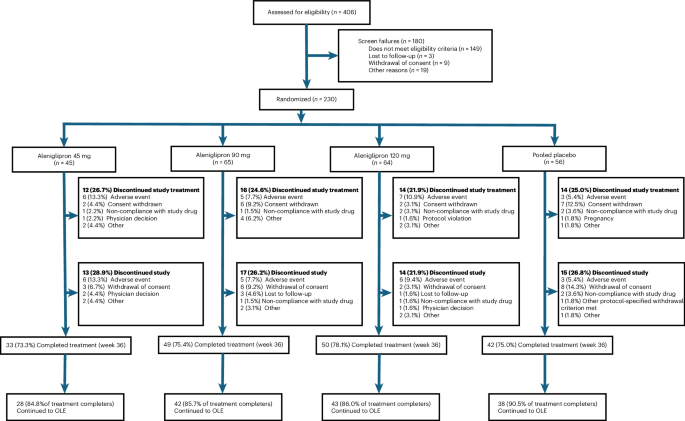
According to findings recently presented at the American Diabetes Association meeting, a randomized, double-blind, placebo-controlled phase 2b trial has provided the latest evidence regarding the efficacy of this investigative compound. The study, which evaluated 230 adults diagnosed with overweight or obesity, suggests that participants receiving the treatment experienced a reduction in body weight of up to 11.3% compared to those in the placebo group over a 36-week treatment period. These results, which were also published online in Nature Medicine on June 5, 2026, mark a noteworthy development in the ongoing research into non-peptide, small-molecule GLP-1 receptor agonists.
Understanding Small-Molecule GLP-1 Receptor Agonists
To understand why these results are gaining traction in the medical community, It’s helpful to look at the mechanism of action. GLP-1 (glucagon-like peptide-1) receptor agonists have established a strong clinical profile for their role in glucose regulation and appetite suppression. Historically, these therapies have been primarily administered via subcutaneous injection. The development of aleniglipron as an oral small-molecule agent is designed to offer a different delivery method, potentially increasing convenience and adherence for patients living with obesity or type 2 diabetes.
The phase 2b trial structure—characterized by its randomized, double-blind and placebo-controlled design—is the gold standard for gathering reliable clinical data. By comparing the drug directly against a placebo in a controlled environment, investigators aim to isolate the specific impact of the molecule on weight loss and metabolic markers. The 11.3% weight loss figure is a critical data point, though as with all clinical trials, it is essential to view these results within the context of the overall safety profile and the duration of the study.
Clinical Trial Design and Patient Outcomes
The trial enrolled 230 participants, a cohort specifically selected to evaluate the drug’s performance in individuals with overweight or obesity. The 36-week timeframe allows researchers to observe not just the initial response to the medication, but also the sustained impact over several months. In metabolic research, the consistency of weight loss and the management of side effects are as important as the total percentage of weight lost.

As noted in the documentation provided by ClinicalTrials.gov regarding the phase 2 study of aleniglipron in type 2 diabetes mellitus, rigorous monitoring of adverse events and safety outcomes is mandatory in all phases of clinical drug development. Participants in such trials are typically monitored for a variety of health metrics, including glycemic control and potential gastrointestinal side effects, which are common across the GLP-1 receptor agonist class.
What This Means for the Future of Obesity Care
The potential for an oral medication to achieve significant weight reduction could influence future treatment guidelines. While injectable GLP-1 therapies have revolutionized the treatment of obesity and type 2 diabetes, the development of oral alternatives is a highly competitive and active area of pharmaceutical innovation. If these findings are replicated in larger, phase 3 trials—which are typically required by regulatory bodies like the FDA or EMA before a drug can be considered for market approval—it could expand the options available to physicians.
It is important to emphasize that aleniglipron remains an experimental therapy. Clinical trials are designed to answer specific questions about safety and efficacy, and one study, while promising, is only a single step in a long regulatory journey. Patients interested in the latest developments in weight management should consult with their primary care physicians or endocrinologists, who can provide guidance based on approved treatments and established clinical evidence.
Next Steps in Clinical Research
The trajectory for aleniglipron will be determined by the subsequent data gathered in late-stage clinical trials. Future research will likely focus on long-term safety, durability of weight loss, and comparative efficacy against existing standards of care. For those following the progress of this therapeutic candidate, the most reliable information will continue to be found in official clinical trial registries and peer-reviewed medical publications.
We will continue to monitor the progress of aleniglipron as further results emerge from the clinical development program. As always, we invite our readers to share their thoughts or questions in the comments section below. Stay informed by subscribing to our health newsletter for the latest updates on medical innovation and public health policy.