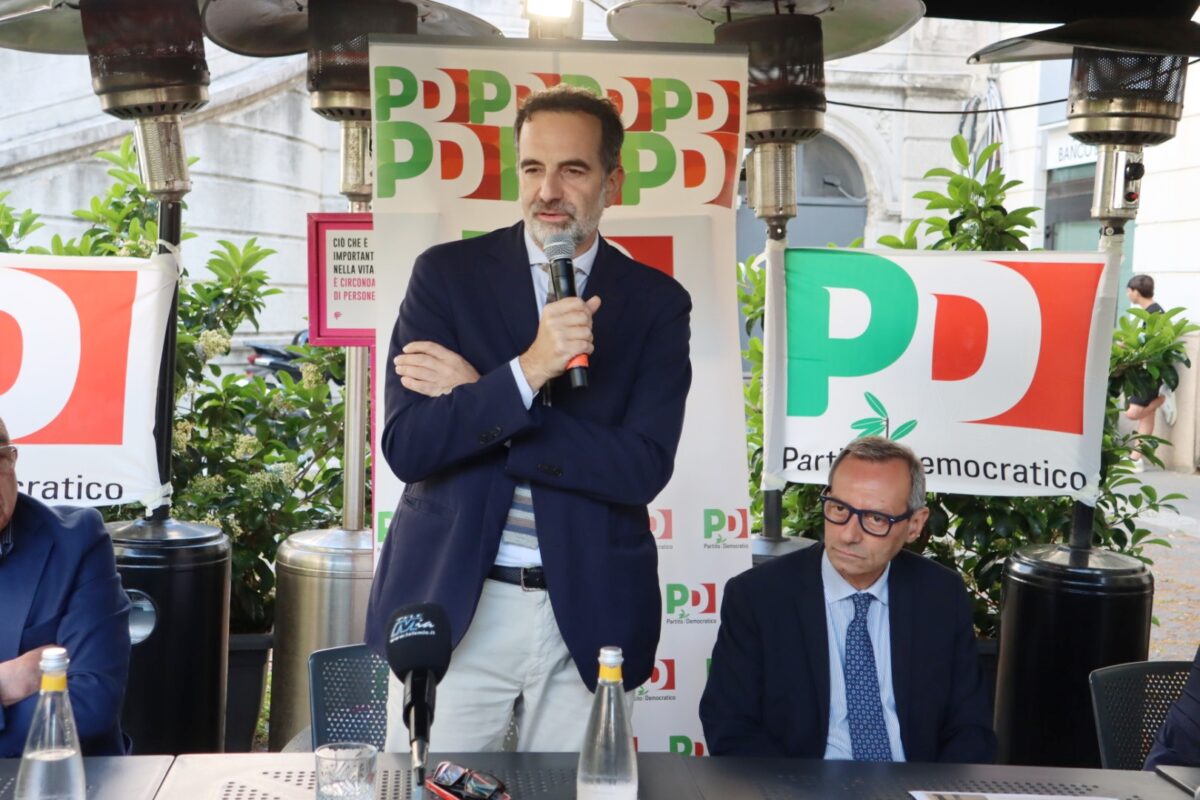
In the complex arena of Italian political reform, few topics carry as much weight—or as much bureaucratic tension—as the implementation of the National Recovery and Resilience Plan (PNRR). Recently, Alessandro Alfieri, a key figure within the Italian Democratic Party (Partito Democratico, or PD), addressed the practical realities of these massive structural shifts during a visit to Reggio Calabria.
Speaking on the local administrative landscape, Alfieri offered a candid assessment of the hurdles faced by regional governance. While acknowledging that the process has not been without its difficulties, he noted that significant progress has been made in stabilizing the situation. “Anche un po’ di casino, ma poi abbiamo risolto,” Alfieri remarked, essentially noting that while there was a period of “chaos,” the issues have since been addressed.
Alfieri’s comments highlight a recurring theme in Italy’s post-pandemic economic strategy: the friction between high-level policy design and the ground-level realities of local administration. As the head of Reforms and PNRR for the PD’s national secretariat, Alfieri is tasked with ensuring that the party’s vision for structural modernization aligns with the actual execution of projects across the country’s diverse regions.
The Administrative Reality in Reggio Calabria
Reggio Calabria has long been a focal point for discussions regarding the efficiency of Southern Italian administration. The implementation of PNRR-funded projects in the region requires navigating a dense web of local regulations, procurement processes, and technical requirements. For political leaders like Alfieri, the “chaos” he referenced often pertains to the initial friction encountered when attempting to accelerate spending and project commencement under strict European Union guidelines.
The transition from planning to execution is frequently where the most significant bottlenecks occur. In Calabria, as in other parts of the Italian South, the challenge is not merely securing the funds, but ensuring that local municipalities have the administrative capacity to manage them. Alfieri’s assertion that these issues have been “resolved” suggests a move toward more streamlined coordination between the national political leadership and local governing bodies.
Who is Alessandro Alfieri?
To understand the weight of these remarks, one must look at Alessandro Alfieri’s position within the Italian political hierarchy. As the responsabile Riforme e Pnrr della segreteria nazionale del Partito Democratico, Alfieri occupies a strategic role that bridges the gap between party ideology and legislative action.
His mandate focuses on two critical pillars:
- Structural Reforms: Developing the legislative frameworks necessary to modernize the Italian state, particularly in justice, public administration, and competition.
- PNRR Oversight: Monitoring and advocating for the effective deployment of the National Recovery and Resilience Plan, which is the cornerstone of Italy’s economic recovery strategy.
Within the PD, Alfieri serves as a technical and political navigator, ensuring that the party’s platform directly addresses the requirements of the European Union’s recovery funds while pursuing long-term domestic improvements.
The Stakes of the PNRR in Italy’s Economic Future
The PNRR is not merely a local administrative task; it is a generational economic opportunity. It represents Italy’s implementation of the European Union’s NextGenerationEU fund, designed to foster a more sustainable, digital, and resilient economy across the bloc.
For Italy, the successful deployment of these funds is essential to addressing decades of stagnant productivity and regional inequality. The plan targets several key sectors, including:
- Digital Transformation: Expanding high-speed internet access and digitizing public services.
- Green Transition: Investing in renewable energy and sustainable transport infrastructure.
- Infrastructure and Innovation: Modernizing railways, ports, and research capabilities.
Because the funds are tied to specific “milestones and targets” set by the European Commission, any delay in implementation—the “chaos” Alfieri alluded to—carries significant financial and political risks. Failure to meet these deadlines could result in the withholding of tranches of funding, potentially stalling the country’s recovery momentum.
From Friction to Resolution: The Path Forward
Alfieri’s recent remarks in Reggio Calabria signal a shift in tone from identifying problems to emphasizing solutions. This transition is vital for maintaining public confidence in the government’s ability to handle the massive influx of capital. The “resolution” he speaks of likely involves enhanced technical support for local authorities and more robust oversight mechanisms to prevent the administrative paralysis that has historically plagued large-scale Italian public works.

However, the work remains far from complete. As the PNRR enters its most critical phases of execution, the political focus will shift from the theoretical benefits of reform to the tangible results visible in local communities. For citizens in Reggio Calabria and beyond, the true measure of Alfieri’s success will be the visible completion of the infrastructure and services promised by the reform agenda.
Key Takeaways: PNRR and Political Reform
| Feature | Description |
|---|---|
| Primary Objective | Modernize Italy via EU-funded recovery initiatives. |
| Key Figure | Alessandro Alfieri (PD National Secretariat). |
| Main Challenge | Bridging the gap between national policy and local administration. |
| Current Focus | Resolving administrative “chaos” to ensure fund deployment. |
As Italy continues to navigate the complexities of economic restructuring, the ability of leaders like Alfieri to manage both the political and technical aspects of reform will be decisive. The eyes of the nation, and indeed much of Europe, remain on how these regional challenges are overcome.
What are your thoughts on the pace of reform in Italy? Do you believe local administrations are prepared for the PNRR rollout? Let us know in the comments below and share this article with your network.
Related reading