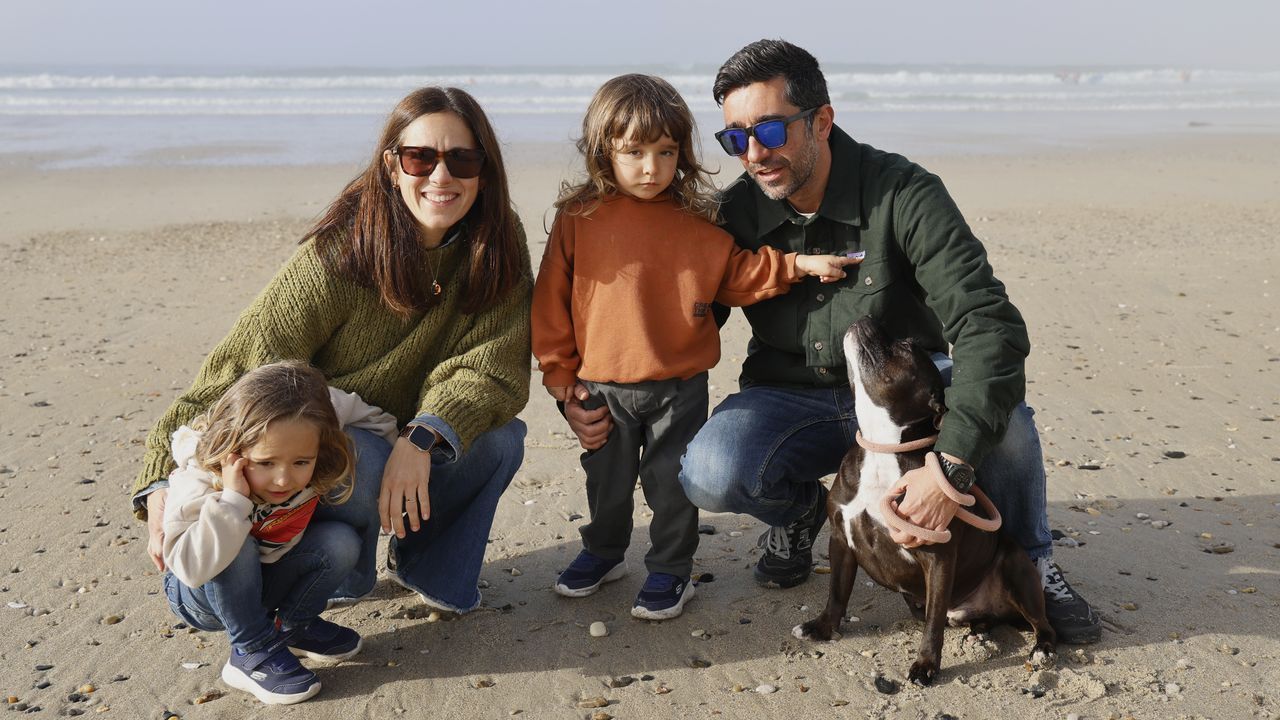
Vigo, Spain – For three-and-a-half-year-old Mauro, life has been marked by a relentless battle against a devastatingly rare genetic disease known as Alexander disease. While his twin brother, Lois, thrives, Mauro’s journey has been one of increasing medical challenges, but also of emerging hope with the commencement of a unique clinical trial designed specifically for him. This story details the complexities of Alexander disease, the family’s fight for treatment, and the potential offered by this groundbreaking clinical intervention.
Alexander disease is an exceedingly rare and fatal neurodegenerative disorder that primarily affects the central nervous system. It impacts brain development and function, leading to a progressive loss of neurological abilities. The disease typically manifests in early childhood, though onset can vary. As reported by Gciencia, Mauro was diagnosed in October 2024 after experiencing a seizure that led to investigations revealing the presence of a leukodystrophy, ultimately confirmed as Alexander disease through genetic testing.
Understanding Alexander Disease: A Rare and Devastating Condition
The underlying cause of Alexander disease is often mutations in the GFAP gene, which provides instructions for making glial fibrillary acidic protein (GFAP). GFAP is crucial for the function of astrocytes, cells that support and protect neurons in the brain. Mutations in this gene disrupt astrocyte function, leading to the progressive neurological deterioration characteristic of the disease. Dr. Dolores Pérez Sala, a researcher at the Spanish National Research Council (CSIC) and the Margarita Salas Biological Research Center, explains that most mutations causing Alexander disease occur spontaneously, meaning they are not inherited from the parents. This explains why, in Mauro’s case, his twin brother remains unaffected despite sharing the same genetic background.
Symptoms of Alexander disease vary depending on the age of onset and the severity of the condition. In infants, it can present as enlarged head size (macrocephaly), developmental delays, and seizures. In older children, symptoms may include difficulty with movement, speech problems, and cognitive decline. There is currently no cure for Alexander disease, and treatment is largely supportive, focusing on managing symptoms and improving quality of life. This makes the initiation of a clinical trial for Mauro a particularly significant development.
The Family’s Fight for Treatment
Mauro’s parents, Iria Rodríguez and Jairo, have been tireless advocates for their son, navigating a complex medical system and seeking every possible avenue for treatment. Faro de Vigo reports that the family first noticed concerns with Mauro’s development, including difficulty with latching during breastfeeding and keeping his fists clenched for extended periods. These early signs prompted a referral to early intervention services, where he received physiotherapy to aid in crawling and walking, achieving the latter at 21 months.
The diagnosis of Alexander disease in October 2024 was devastating. The family immediately sought expert care at the Sant Joan de Déu maternal and child hospital in Barcelona, hoping to enroll Mauro in clinical trials. Their initial attempts to access an American clinical trial were unsuccessful, as it was limited to children over the age of two. A request for compassionate use of the experimental drug was also denied. This period was marked by frustration and a desperate search for options, highlighting the challenges faced by families of children with ultra-rare diseases.
A Beacon of Hope: The Initiation of a Personalized Clinical Trial
Despite the setbacks, the family’s persistence has paid off. La Voz de Galicia reported on February 26, 2026, that Mauro has begun a clinical trial specifically designed for him. This represents a significant step forward in the fight against Alexander disease and offers a glimmer of hope for Mauro and his family. The details of the trial remain limited, but the fact that This proves tailored to his specific case suggests a personalized medicine approach, potentially maximizing its effectiveness.
Personalized medicine, also known as precision medicine, involves tailoring medical treatment to the individual characteristics of each patient. This approach considers genetic makeup, lifestyle, and environmental factors to develop targeted therapies. In the context of rare diseases like Alexander disease, personalized medicine is particularly promising, as it allows researchers to focus on specific genetic mutations and develop treatments that address the underlying cause of the disease.
The Future of Alexander Disease Research
While Mauro’s clinical trial is a positive development, much work remains to be done to understand and treat Alexander disease. Researchers are actively investigating the underlying mechanisms of the disease, exploring potential therapeutic targets, and developing new diagnostic tools. Gene therapy, which aims to correct the genetic defect causing the disease, is a promising area of research. Other approaches include developing drugs that can protect neurons from damage and improve astrocyte function.
The case of Mauro underscores the importance of continued investment in rare disease research. Rare diseases collectively affect millions of people worldwide, yet they often receive limited attention and funding. Raising awareness about rare diseases and supporting research efforts are crucial for improving the lives of patients and families affected by these conditions.
Key Takeaways
- Alexander disease is a rare and fatal neurodegenerative disorder caused by mutations in the GFAP gene.
- Symptoms vary but typically involve progressive loss of neurological function.
- There is currently no cure for Alexander disease, but supportive care and clinical trials offer hope.
- Mauro, a three-and-a-half-year-old boy from Spain, is participating in a unique clinical trial tailored to his specific case.
- Personalized medicine and continued research are essential for advancing the treatment of Alexander disease and other rare conditions.
The next update regarding Mauro’s clinical trial is expected in late spring 2026, when initial data on the treatment’s effects will be reviewed by the medical team in Barcelona. We will continue to follow this story and provide updates as they become available. Share your thoughts and support for Mauro and his family in the comments below.
Related reading