The Enduring Legacy of Penicillin: From Miracle Drug to the Fight Against Superbugs
Penicillin stands as one of the most transformative discoveries in medical history, fundamentally changing how we combat bacterial infections.Its story is one of scientific brilliance, lifesaving impact, and a continuing challenge as bacteria evolve. let’s explore the remarkable journey of this “wonder drug” and where we stand today.
A Serendipitous Discovery & Early Triumph
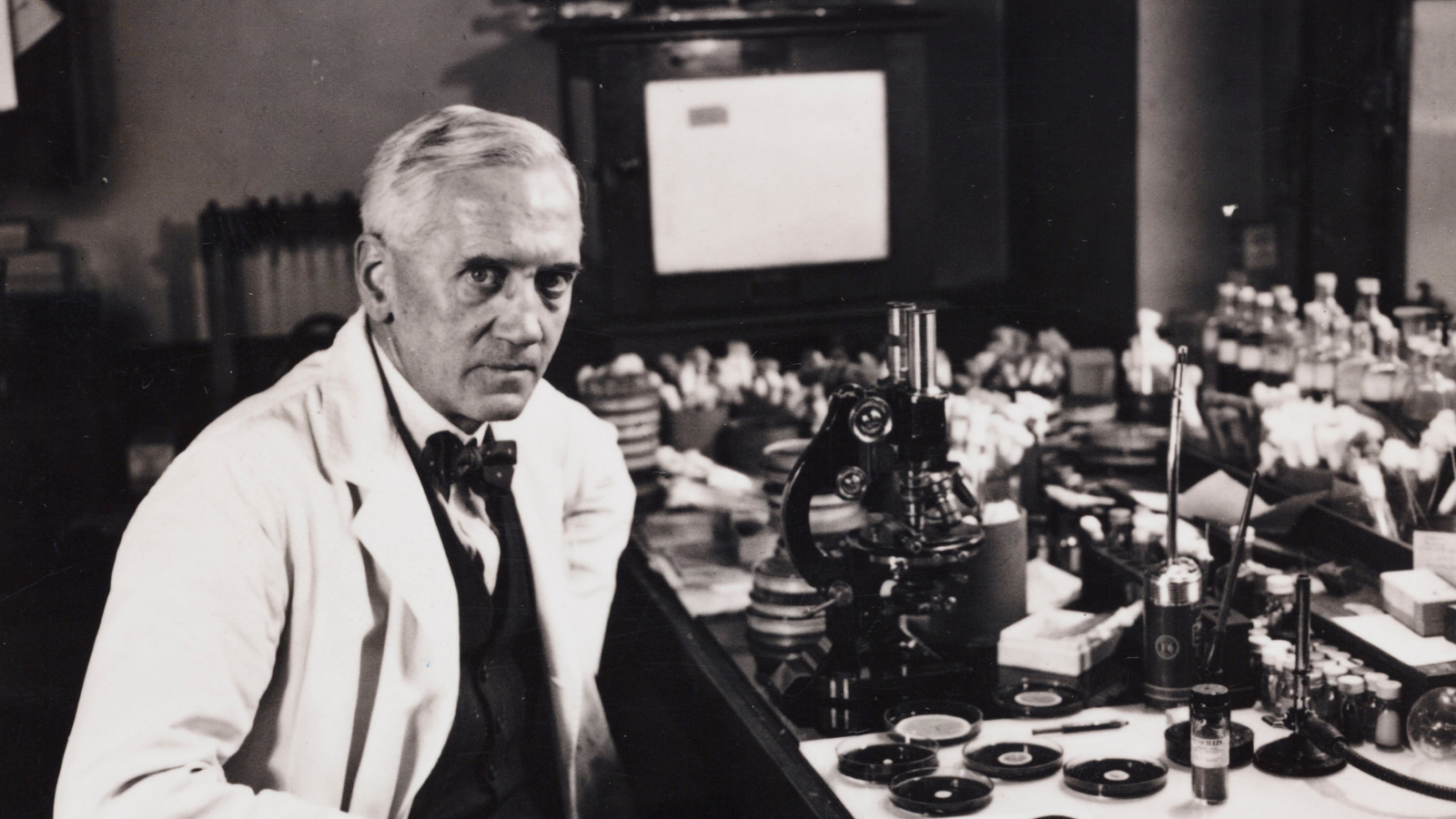
Initially, Alexander Fleming’s accidental 1928 observation of mold inhibiting bacterial growth laid the groundwork. Though, it wasn’t until the work of Howard Florey, Ernst Chain, and Norman Heatley in the late 1930s and early 1940s that penicillin’s potential was truly unlocked. They developed methods for isolating and purifying the antibiotic, paving the way for mass production.
Consequently,Fleming,Florey,and chain were rightfully recognized with the 1945 Nobel Prize in Physiology or Medicine. their achievement marked a turning point in the treatment of previously deadly infections.
Unraveling the Structure & Expanding the Arsenal
Further scientific breakthroughs followed, deepening our understanding of penicillin. Dorothy Hodgkin’s groundbreaking work in 1964 elucidated the crystal structure of penicillin, earning her the Nobel Prize in Chemistry. This structural knowledge proved invaluable.
Specifically, it allowed chemists to design and synthesize new, related antibiotics with improved properties and broader effectiveness. Penicillin’s legacy extends far beyond the original molecule itself.
A Lifesaving Impact: Numbers Tell the Story
Since its introduction, penicillin and its derivatives have saved an estimated 500 million lives worldwide. You can imagine the impact on global health. It remains a crucial treatment for a wide range of common illnesses,including:
* Ear infections
* Strep throat
* Urinary tract infections
* Pneumonia
These are just a few examples of how penicillin continues to protect your health and the health of communities around the globe.
The rise of Resistance: A Growing Threat
Unfortunately, the very success of penicillin has contributed to a notable challenge: antibiotic resistance. Widespread and sometimes inappropriate use of antibiotics has allowed bacteria to adapt and evolve mechanisms to evade the drugs designed to kill them.
Now, many bacterial strains exhibit resistance to penicillin and other common antibiotics. This has led to the emergence of “superbugs” – bacteria that are tough, and sometimes impossible, to treat.
The Future of Antibacterial Warfare
Despite the growing threat of antibiotic resistance, scientists are not standing still. A new era of antibacterial research is underway, exploring innovative strategies to combat these evolving pathogens.
Here are some promising avenues of examination:
* Bacteriophages: Harnessing viruses that specifically target and destroy bacteria.
* CRISPR Technology: Utilizing gene editing to develop new drugs and disable bacterial resistance mechanisms.
* Novel Compounds: Discovering entirely new classes of antibiotics with unique mechanisms of action.
* Immunomodulation: Boosting your body’s own immune system to fight off infection.
These cutting-edge approaches offer hope for a future where we can stay ahead of the curve in the ongoing battle against bacterial infections.
Protecting Penicillin’s Legacy: Responsible Use is Key
Ultimately, preserving the effectiveness of antibiotics like penicillin requires a collective effort. You can play a vital role by:
* Only taking antibiotics when prescribed by a healthcare professional.
* Completing the full course of antibiotics, even if you feel better.
* never sharing antibiotics with others.
* Practicing good hygiene to prevent the spread of infections.
The story of penicillin is a testament to the power of scientific discovery and its profound impact on human health. While challenges remain, ongoing research and responsible antibiotic use offer a path toward a future where we can continue to overcome the threat of bacterial infections.
Worth a look