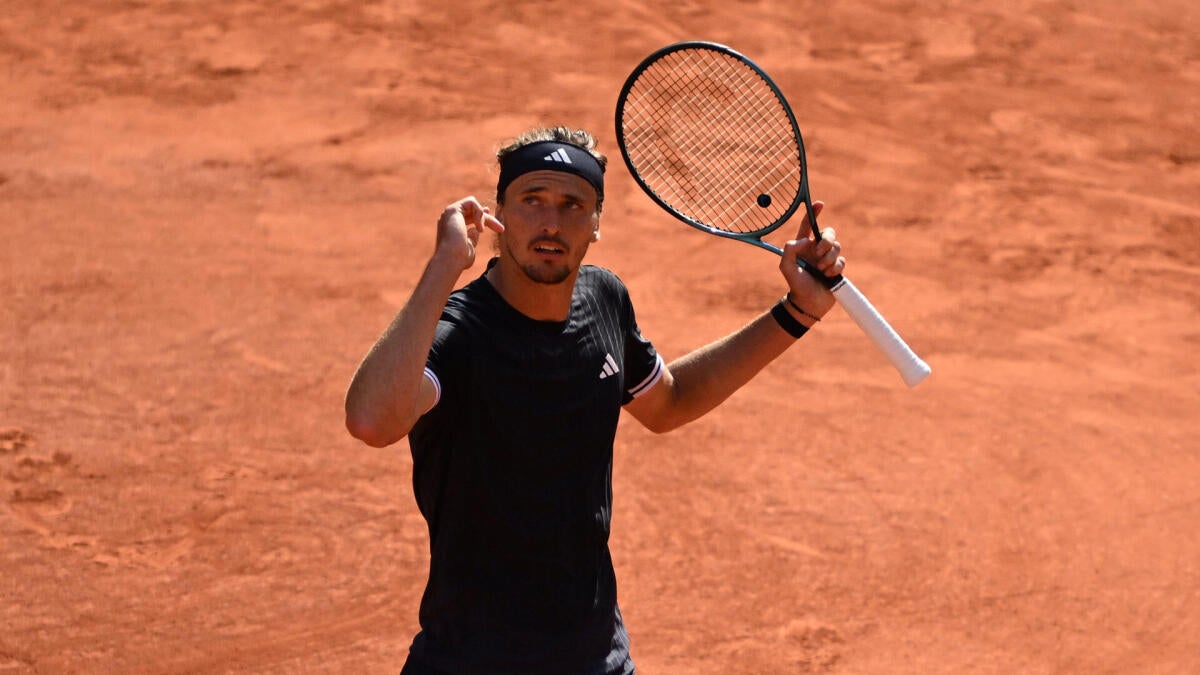
Alexander Zverev captured his first Grand Slam title on Sunday, defeating Flavio Cobolli in a five-set marathon to win the 2026 French Open at Roland Garros. The German victory concludes a grueling contest on the red clay of Paris, marking a career-defining moment for Zverev, who has long been a prominent figure in professional tennis without a major championship.
The match, which lasted several hours, saw Zverev overcome the surging Italian Cobolli in a battle of endurance and tactical precision. While Cobolli pushed the veteran to the limit, Zverev’s ability to maintain intensity across five sets proved decisive in the final stages of the championship match. This win establishes Zverev as a champion on the sport’s most demanding surface and alters the landscape of the 2026 ATP season.
Observers of the tournament noted that the final served as a confrontation between two different eras of clay-court tennis: Zverev’s established power-baseline game and Cobolli’s high-energy, defensive resilience. The result at Roland Garros provides Zverev with the elusive Grand Slam trophy that has remained the primary objective of his professional career.
How Alexander Zverev secured his first Grand Slam title
Zverev’s path to the 2026 French Open title involved navigating a draw filled with specialists and rising talents. According to match analysts, his victory over Cobolli was defined by Zverev’s improved mental fortitude during high-leverage moments in the fourth and fifth sets. The German utilized his heavy topspin forehand to dictate play, preventing the Italian from establishing a rhythm through long rallies.

The physical toll of the five-set format on clay is a factor that commentators frequently cite when discussing Roland Garros champions. Zverev’s conditioning allowed him to sustain his serve speeds and lateral movement even as the match entered its final hour. This physical advantage helped him neutralize Cobolli’s ability to force errors through extended defensive play.
For Zverev, this victory provides relief from the scrutiny surrounding his lack of a major title. Despite reaching deep into several Grand Slam draws in previous years, the inability to secure a championship had been a recurring theme in his career narrative. By winning in Paris, he joins an elite group of players who have conquered the red clay through both power and tactical patience.
The rise of Flavio Cobolli at Roland Garros
Though he finished as the runner-up, Flavio Cobolli’s performance in the 2026 French Open final signals his arrival as a major contender on the ATP Tour. The Italian, who entered the tournament as a rising talent, demonstrated a level of composure and tactical maturity that exceeded his recent ranking. His ability to push a seasoned champion like Zverev to five sets highlights a significant development in his professional trajectory.
Cobolli’s game is characterized by exceptional court coverage and a willingness to engage in grueling baseline exchanges. Throughout the tournament, the Italian utilized sliding techniques and varied shot depths to disrupt his opponents’ timing. His run to the final in Paris is one of the most significant achievements for an Italian player in recent Roland Garros history.
Tennis analysts suggest that Cobolli’s performance will likely lead to a significant rise in his ATP ranking. While the loss in the final is a setback, his ability to compete at the highest level on clay establishes him as a player to watch in upcoming tournaments on the dirt surface. His performance in Paris serves as a benchmark for the next generation of clay-court specialists.
Analyzing the technical demands of the 2026 French Open final
The conditions at Roland Garros played a critical role in the outcome of the match between Zverev and Cobolli. The heavy clay surface required players to generate significant power while maintaining precise control over ball spin. Zverev’s ability to use his height to generate steep angles on his shots gave him a tactical edge, particularly when Cobolli attempted to defend from deep behind the baseline.
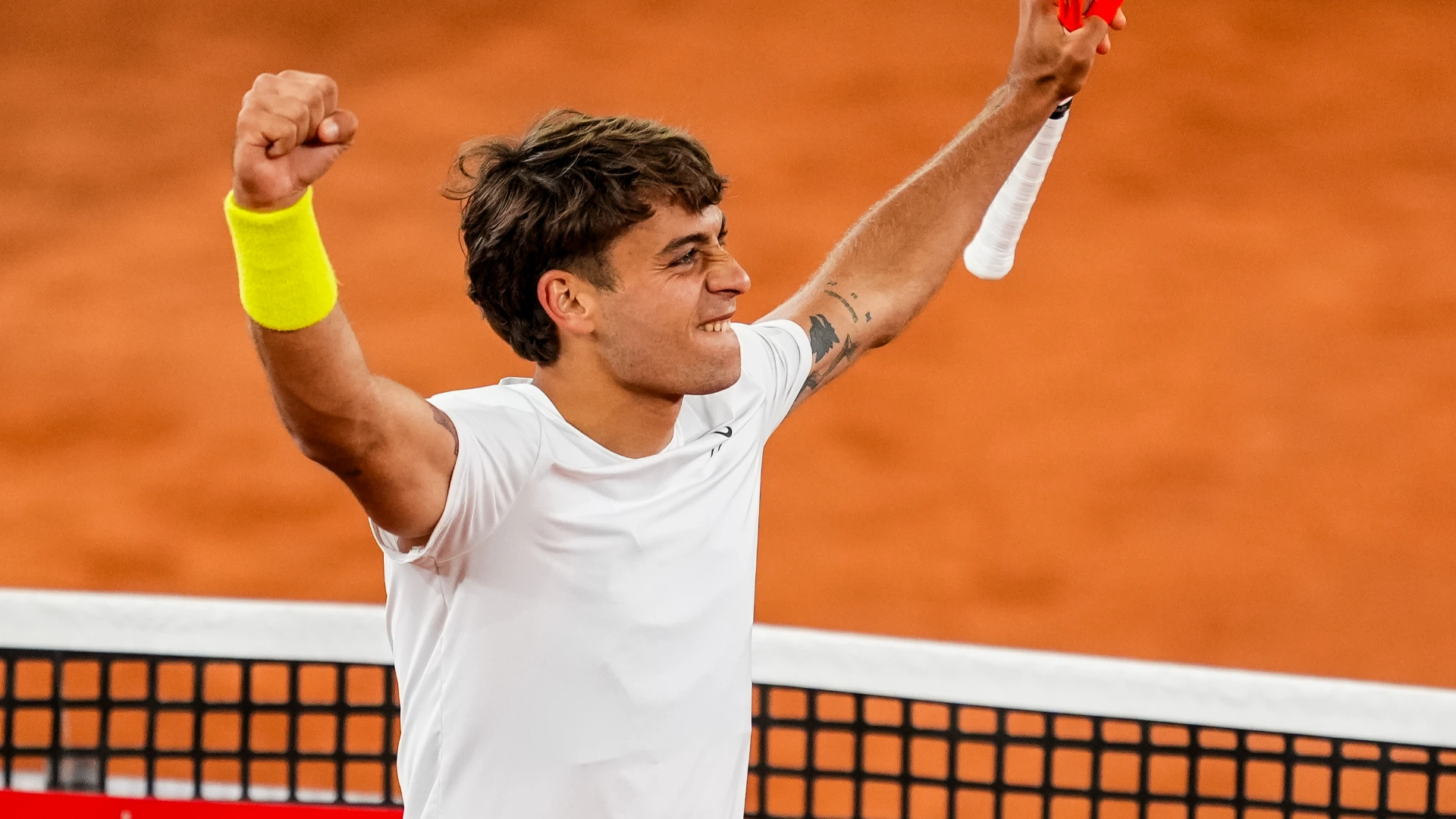
Key technical elements of the match included:
- Serve Dominance: Zverev’s ability to find high percentages on his first serve prevented Cobolli from attacking on return games.
- Topspin Variation: Both players utilized heavy topspin, but Zverev’s ability to increase the RPM (revolutions per minute) on his forehand forced Cobolli into uncomfortable hitting zones.
- Movement and Sliding: The match featured high-speed lateral movements, with Cobolli’s defensive sliding being a primary tool to extend rallies.
- Mental Endurance: The transition between the fourth and fifth sets required a shift in tactical aggression, which Zverev managed more effectively.
The tactical battle underscored the importance of surface-specific training. As clay-court tennis continues to evolve, the intersection of raw power and extreme defensive mobility remains the standard for reaching a Grand Slam final.
Implications for the ATP rankings and the 2026 season
Zverev’s victory at the French Open carries significant implications for the ATP rankings. The points earned from a Grand Slam title are substantial, likely positioning him at the top of the rankings or within close contention for the year-end No. 1 spot. This win also provides him with a psychological advantage heading into the grass-court season.
For the broader ATP Tour, the 2026 French Open results highlight a shifting guard. The success of younger players like Cobolli, alongside the continued dominance of established veterans like Zverev, suggests a highly competitive era for professional tennis. The tour is currently seeing a blend of traditional clay-court specialists and all-court players who can adapt to various surfaces.
The upcoming grass-court season will serve as the next major test for these athletes. Players will need to quickly transition their movement and ball striking from the slow, sliding nature of clay to the low-bouncing, fast-paced conditions of grass.
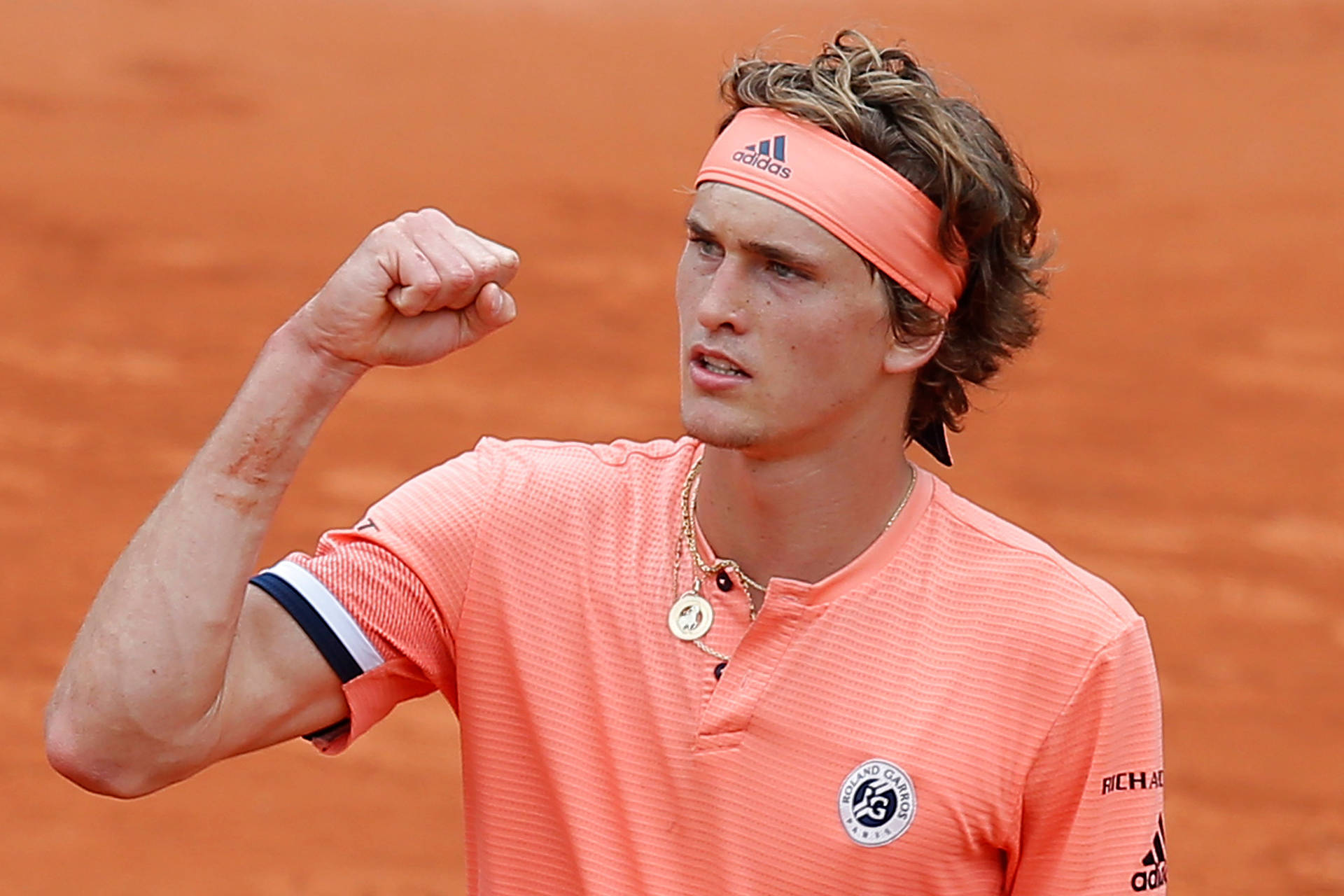
Comparison of Finalists: Career Context
| Metric | Alexander Zverev | Flavio Cobolli |
|---|---|---|
| Primary Playing Style | Power Baseline | Counter-Puncher / All-Court |
| Surface Strength | Clay & Hard Court | Clay |
| Grand Slam Status | First Major Winner (2026) | Finalist (2026) |
| Key Tactical Asset | Heavy Forehand / Serve | Court Coverage / Resilience |
Frequently Asked Questions
Who won the 2026 French Open men’s singles title?
Alexander Zverev won the 2026 French Open title by defeating Flavio Cobolli in the final.
How many sets did the final last?
The match was a five-set contest, requiring maximum endurance from both players.
Was this Alexander Zverev’s first Grand Slam?
Yes, this victory marks the first Grand Slam singles title for Alexander Zverev.
What is next for the French Open winners?
Following the conclusion of the clay-court season at Roland Garros, top players typically transition to the grass-court season, beginning with tournaments leading up to Wimbledon.
The next major event on the professional tennis calendar is the grass-court swing, with players preparing for the upcoming Wimbledon Championships.
What are your thoughts on Zverev’s breakthrough victory? Do you think Cobolli will become a regular Grand Slam contender? Let us know in the comments below and share this article with your fellow tennis fans.
Worth a look