Olympic Gymnast Alice Kinsella Breaks New Ground: Returning to Elite Competition After Motherhood
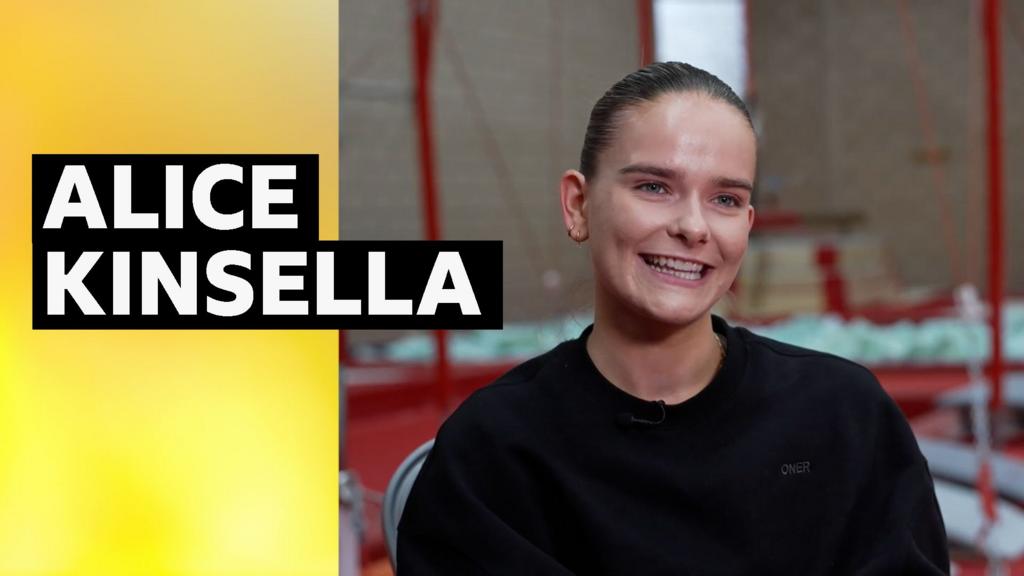
In a move that could redefine the boundaries of elite gymnastics, British Olympic bronze medalist Alice Kinsella is making history as she returns to training after giving birth to her son, Parker. The 25-year-old artistic gymnast, who won team bronze at the Tokyo 2020 Olympics, is aiming to become the first British gymnast to compete at the elite level after motherhood—a journey that challenges long-held assumptions about the sport and parenthood.
Kinsella, who has been a fixture in British gymnastics since her teenage years, welcomed Parker in the summer of 2025. Now, just months later, she is back in the gym, balancing the demands of motherhood with the rigorous training required for the 2028 Los Angeles Olympics. Her return is not just a personal milestone but a potential turning point for female athletes in gymnastics, a sport where pregnancy has historically been seen as a career-ending event.
“I always wanted to be a mum while doing gymnastics,” Kinsella told BBC Sport in a recent interview. Her words capture the essence of a growing movement among female athletes who refuse to choose between motherhood and their careers. For Kinsella, the decision to return was never in question—it was about proving it could be done.
A Pioneering Journey Backed by Science
Kinsella’s return to elite competition is far from a solo endeavor. British Gymnastics has enlisted the expertise of Dr. Julie Gooderick, a lecturer in Sports and Rehabilitation at the University of Kent, to support her post-partum recovery and training. Gooderick and her team are tracking Kinsella’s progress, focusing on the critical areas of pelvic floor and core strength—both of which are essential for gymnastics but often compromised during pregnancy.
“Historically, female athletes very much saw getting pregnant and having a baby as the end of their career,” Gooderick explained in an interview with BBC Radio 4’s Woman’s Hour. “There just weren’t enough role models and examples of people doing it successfully, and because of that, we didn’t have scientific evidence to support support athletes through that journey.”
Gooderick’s research aims to change that. By documenting Kinsella’s recovery and training, she hopes to create a blueprint for other athletes who wish to return to elite competition after childbirth. The data collected will not only benefit Kinsella but could also shape future policies and support systems for female athletes across sports. As Gooderick noted, “We’re growing that space in understanding exactly what we need to be doing as scientists to support athletes to return to sport.”
The Physical and Mental Challenges of Returning to Gymnastics
Returning to elite gymnastics after childbirth is a daunting task. The sport demands extraordinary strength, flexibility, and precision—qualities that are directly impacted by pregnancy and childbirth. For Kinsella, the physical challenges are compounded by the mental and emotional adjustments of motherhood. Yet, she remains undeterred, driven by a desire to prove that women can excel in both roles.
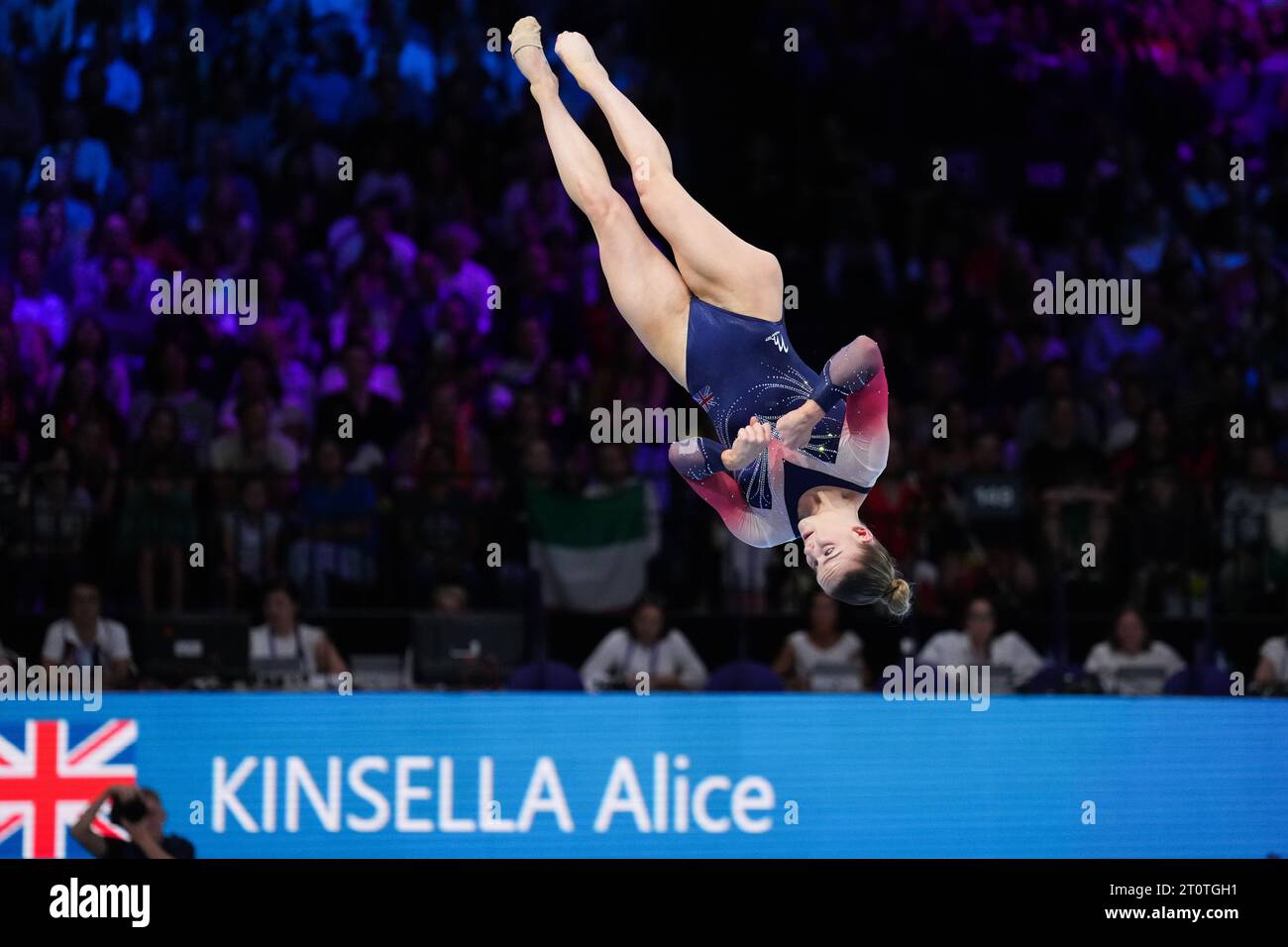
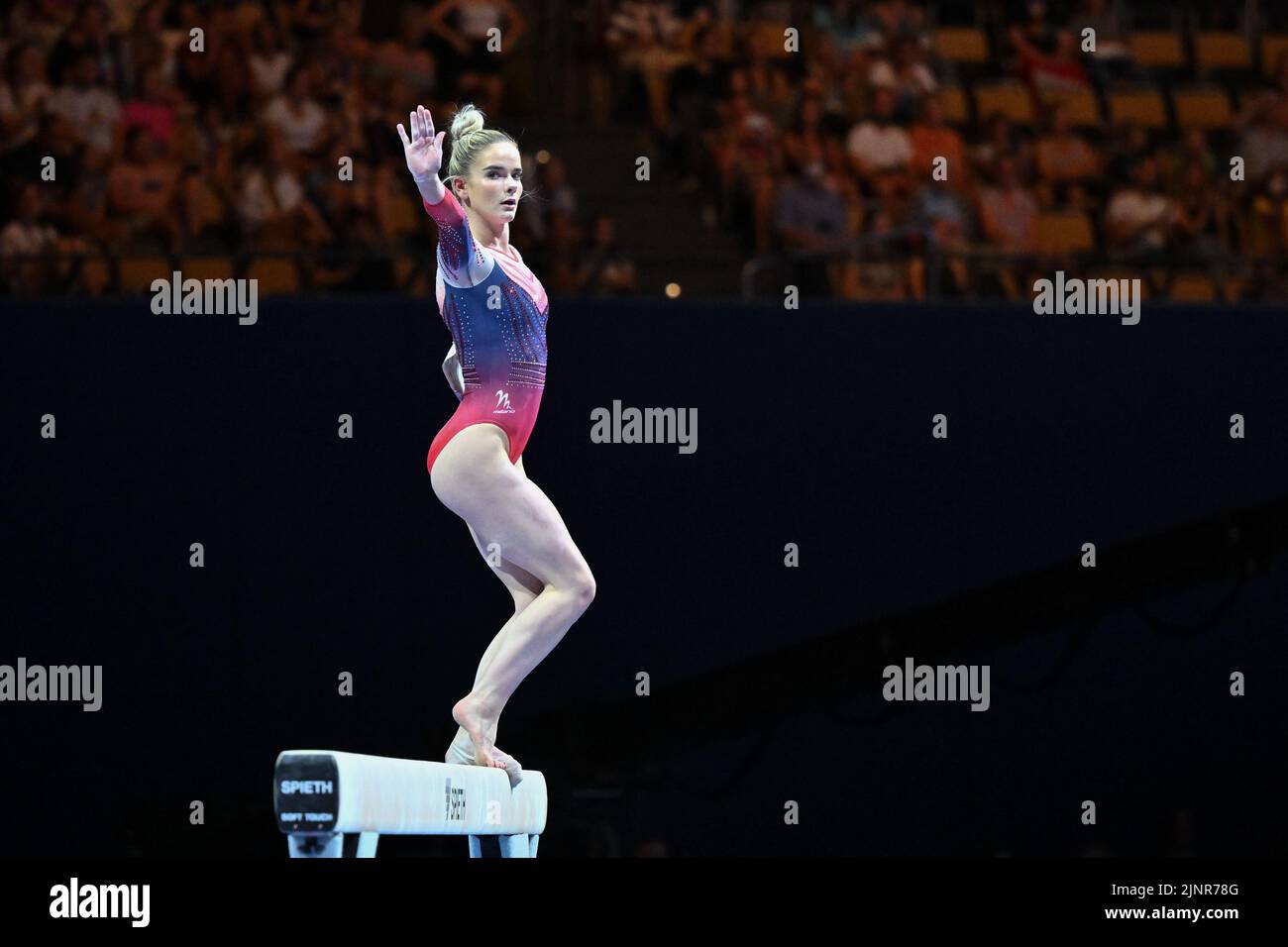
Kinsella’s career has already been marked by remarkable achievements. Born on March 13, 2001, in Basildon, Essex, she began gymnastics at a young age and quickly rose through the ranks. By 2018, she had won gold on the balance beam at the Commonwealth Games in Gold Coast, Australia. A year later, she claimed the same title at the European Championships in Szczecin, Poland. Her crowning moment came at the Tokyo 2020 Olympics, where she helped Great Britain secure a team bronze medal—a historic achievement for British gymnastics.
Since then, Kinsella has continued to develop her mark. In 2022, she was part of the British team that won silver at the World Championships in Liverpool, the country’s best-ever result in the competition. She also claimed gold in the team event at the 2023 European Championships in Antalya, Turkey, and added another team gold at the 2024 European Championships in Rimini, Italy. Domestically, she became the 2023 British national all-around champion, cementing her status as one of the sport’s most consistent performers.
A New Chapter: Motherhood and the Road to Los Angeles 2028
Kinsella’s decision to return to gymnastics after motherhood is not just about personal ambition—it’s about paving the way for future generations of athletes. Her journey is a testament to the evolving landscape of women’s sports, where athletes are increasingly demanding better support systems for pregnancy, childbirth, and post-partum recovery.
British Gymnastics has taken a proactive approach in supporting Kinsella’s return. The organization’s collaboration with Dr. Gooderick reflects a broader shift in how sports governing bodies are addressing the needs of female athletes. Financial support during maternity abandon, access to specialized medical care, and tailored training programs are becoming more common, but Kinsella’s case could set a new standard for what is possible.
For Kinsella, the road to the 2028 Los Angeles Olympics is as much about proving a point as it is about competing for medals. “I always wanted to be a mum while doing gymnastics,” she said, a statement that encapsulates her determination to challenge the status quo. If successful, she will not only add another chapter to her already impressive career but also inspire countless other athletes to pursue their dreams—both in and out of the gym.
What’s Next for Alice Kinsella?
Kinsella’s training regimen is now in full swing as she prepares for the 2026 European Championships, which will serve as a critical milestone in her journey back to elite competition. The event, scheduled to grab place in May 2026, will be her first major test since giving birth. If she performs well, it could pave the way for her inclusion in the British team for the 2028 Olympics.
Beyond the competitions, Kinsella’s story is also about the broader conversation around women in sports. Her return challenges the notion that motherhood and elite athleticism are mutually exclusive. As more female athletes speak out about their experiences, the demand for better support systems—both within sports organizations and society at large—continues to grow.
For now, Kinsella remains focused on her training and her son, Parker. Her journey is a reminder that the definition of what it means to be an elite athlete is evolving—and that the boundaries of possibility are being pushed every day.
Key Takeaways
- Historic Return: Alice Kinsella is aiming to become the first British artistic gymnast to compete at the elite level after giving birth.
- Scientific Support: British Gymnastics has partnered with Dr. Julie Gooderick to track Kinsella’s post-partum recovery and training, creating a blueprint for future athletes.
- Career Highlights: Kinsella is a two-time European champion, Olympic bronze medalist, and 2023 British national all-around champion.
- Challenging Norms: Her journey reflects a broader shift in women’s sports, where athletes are demanding better support for pregnancy and motherhood.
- Next Steps: Kinsella is targeting the 2026 European Championships as her first major competition since giving birth.
As Kinsella continues to train and prepare for the challenges ahead, her story serves as an inspiration to athletes and mothers alike. For the latest updates on her journey, follow British Gymnastics and stay tuned for her performances at upcoming competitions.
What do you believe about Alice Kinsella’s journey? Can she make history at the 2028 Olympics? Share your thoughts in the comments below and join the conversation.
Worth a look