Protests Disrupt Alice Schwarzer Reading in Hamburg on International Women’s Day
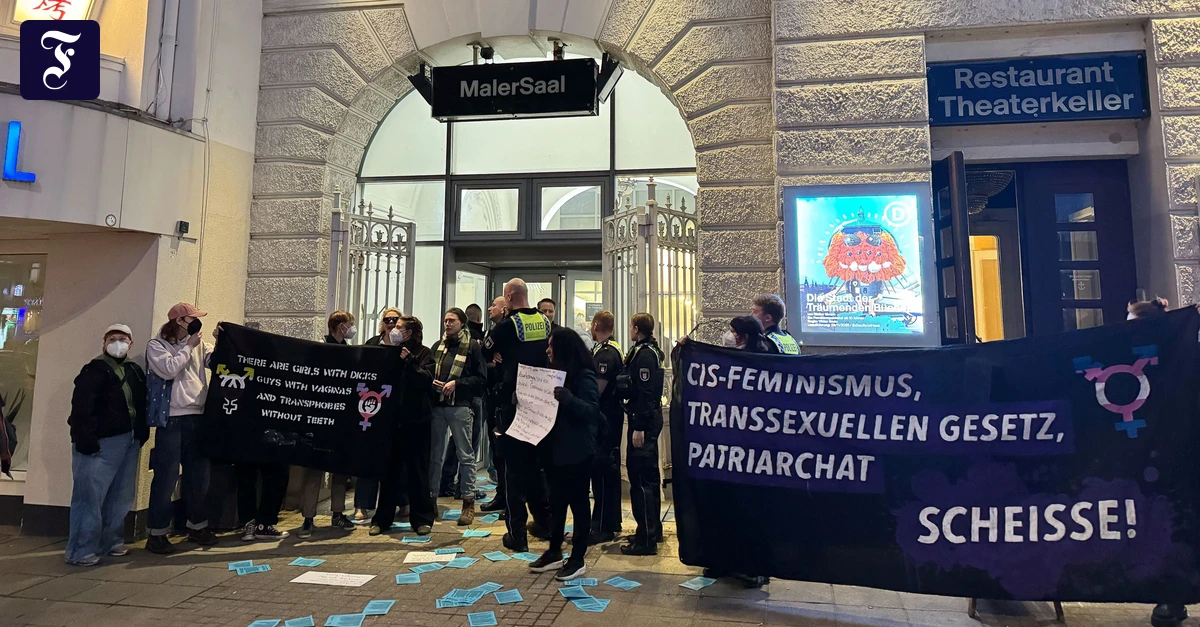
Hamburg, Germany – A reading by prominent German feminist Alice Schwarzer at the Deutsches Schauspielhaus in Hamburg was repeatedly disrupted by protests on Friday, March 8th, 2026, International Women’s Day. Demonstrators stormed the stage and shouted at the audience, while a larger group protested outside the theater prior to the event, holding banners and voicing their opposition. Despite the interruptions, Schwarzer remained calm and continued with her presentation, emphasizing the importance of open dialogue even in the face of disagreement.
The event, featuring Schwarzer reading excerpts from her latest book, “Feminismus pur. 99 Worte” (Feminism Pure. 99 Words), was intended as a discussion of contemporary feminist issues. Schwarzer, also the founder of the influential German feminist magazine “Emma,” planned to engage in a conversation with actress and co-author Nina Gummich and to answer questions from the audience. Still, the atmosphere was charged with tension from the outset, reflecting a broader debate surrounding Schwarzer’s views and her continued relevance in modern feminist discourse.
Controversy Surrounding Schwarzer’s Views
The reading was preceded by an open letter signed by several hundred theater professionals, calling for the event to be cancelled. The signatories argued that providing Schwarzer with a platform at the Deutsches Schauspielhaus was inappropriate, given her controversial stances on certain issues. The theater, however, defended its decision to host the reading, stating that Schwarzer has engaged with a wide range of topics for 50 years and that suppressing her voice would be detrimental to democratic principles. According to a statement released by the theater to the Deutsche Presse-Agentur, “Alice Schwarzer has been expressing herself on many issues for 50 years – so many that we find it problematic to reduce her to one of her positions, however debatable some of them may be.”
The theater further emphasized that Schwarzer is a “contentious and argumentative person” who actively seeks debate and is willing to engage in discussion. They argued that some of her theses reflect opinions circulating in society and should therefore be discussed, even if they are met with disagreement. The theater’s decision underscores the complexities of balancing freedom of speech with concerns about potentially harmful viewpoints.
Disruptions During the Reading
The disruptions began before Schwarzer even took the stage, with over 100 protestors gathering outside the Deutsches Schauspielhaus. As the reading commenced in the Malersaal, individuals repeatedly ran onto the stage, interrupting Schwarzer and addressing the audience. Reports indicate that the audience responded by booing the protestors. Schwarzer, however, remained composed throughout the interruptions, waiting for them to subside before continuing.
Following one of the disruptions, Schwarzer addressed the audience, stating, “We are here to listen to each other, to exchange ideas. We do not have to agree.” This statement encapsulates her long-held belief in the importance of open dialogue, even with those who hold opposing views. The incident highlights the challenges of fostering constructive conversations in a polarized environment.
Alice Schwarzer: A Legacy of Feminist Activism
Alice Schwarzer is a towering figure in German feminism, known for her outspoken views and her willingness to challenge societal norms. Born in 1942, she rose to prominence in the 1960s and 1970s as a leading voice in the women’s liberation movement. In 1977, she founded “Emma,” a magazine that quickly became a central platform for feminist thought and activism in Germany. Stern.de reports that Schwarzer has consistently sparked debate throughout her career, tackling controversial topics such as abortion, sexuality, and gender roles.
Schwarzer’s work has been instrumental in shaping the discourse on women’s rights in Germany, and she remains a significant figure in contemporary feminist debates. However, her views have also been criticized, particularly by younger feminists who argue that they are outdated or exclusionary. The protests at the Hamburg reading reflect this ongoing tension between different generations and perspectives within the feminist movement.
The Debate Over Platforming Controversial Figures
The controversy surrounding Schwarzer’s reading raises broader questions about the role of public platforms in hosting speakers with potentially controversial views. The Deutsches Schauspielhaus’s decision to proceed with the event, despite the protests, reflects a commitment to freedom of speech and the belief that all voices should be heard. However, critics argue that providing a platform to someone like Schwarzer can legitimize harmful ideas and contribute to a climate of intolerance.
This debate is not unique to Germany; We see playing out across the globe as societies grapple with the challenges of balancing freedom of expression with the need to protect vulnerable groups. The incident in Hamburg serves as a reminder of the complexities of navigating these issues and the importance of fostering respectful dialogue, even in the face of strong disagreement. The question of where to draw the line between free speech and harmful rhetoric remains a central challenge for democratic societies.
The reading took place amidst ongoing discussions about feminist theory and practice, with debates surrounding intersectionality, trans rights, and the role of gender in contemporary society. Schwarzer’s work, while influential, has been criticized by some for not fully embracing these newer perspectives. The protests at the event can be seen as a manifestation of these broader tensions within the feminist movement.
Looking Ahead
The Deutsches Schauspielhaus has not announced any further events featuring Alice Schwarzer at this time. However, Schwarzer is expected to continue her public engagements and to contribute to the ongoing debate on feminist issues. The incident in Hamburg is likely to fuel further discussion about her views and her legacy within the feminist movement. The theater has indicated its commitment to providing a platform for diverse perspectives, even those that are controversial, and will likely continue to host events that spark debate and challenge conventional thinking.
The events in Hamburg underscore the enduring relevance of feminist debates and the ongoing struggle for gender equality. As societies continue to grapple with complex issues related to gender, sexuality, and power, it is crucial to foster open dialogue and to create spaces for diverse voices to be heard. The protests at the reading, while disruptive, also highlight the passion and commitment of those who are fighting for a more just and equitable world.
What are your thoughts on the balance between free speech and the potential harm caused by controversial viewpoints? Share your opinions in the comments below, and please share this article with your networks.
Worth a look