
The search for life beyond our solar system has long been one of the most compelling frontiers in modern astronomy. While scientists have identified thousands of exoplanets—planets orbiting stars other than our Sun—determining which of these worlds might harbor the conditions necessary for life remains a daunting challenge. Recently, the focus of the astronomical community has shifted toward a critical, often invisible factor: the presence of a planetary magnetic field.
A planetary magnetic field is essential for shielding a world from the harsh radiation and stellar winds emitted by its host star. Without this protective “bubble,” an atmosphere can be stripped away over time, leaving a planet barren and inhospitable. The confirmation that an exoplanet possesses such a magnetic field marks a significant milestone in our understanding of planetary evolution and the potential for extraterrestrial life.
The Shield That Protects Life
For a planet to be considered potentially habitable, it must do more than simply sit within its star’s “habitable zone,” the region where temperatures could allow liquid water to exist on the surface. A magnetic field acts as a critical line of defense. By deflecting charged particles from the host star, a magnetic field helps maintain atmospheric pressure and protects the surface from ionizing radiation.
In our own solar system, Earth’s magnetic field is generated by the motion of molten iron in its outer core. Astronomers are now applying similar geophysical models to distant worlds. When researchers confirm that an exoplanet has a magnetic field, it suggests that the planet likely possesses a complex, active interior—a prerequisite for the geological processes that regulate a planet’s climate over millions of years.
Advanced Observatories and the Search for Magnetospheres
Detecting the magnetic field of a planet located light-years away is a task of immense technical difficulty. Unlike direct imaging, which captures the light of a planet, detecting a magnetosphere often involves observing the interaction between the planet’s magnetic field and the stellar wind, or analyzing the radio emissions generated by these interactions. Projects utilizing high-sensitivity instruments are increasingly capable of peering into these distant systems.

The James Webb Space Telescope (JWST), which launched in December 2021 and arrived at its L2 orbit in January 2022, is at the forefront of this effort. By studying the atmospheric composition of exoplanets, scientists can infer the presence of protective layers that would be absent if the planet lacked a magnetic field. As noted by NASA, the telescope is designed to study every phase in the history of our universe, including the formation of solar systems capable of supporting life on planets like Earth (James Webb Space Telescope – NASA Science).
Why This Matters for Future Exploration
The verification of magnetic fields on exoplanets changes how we prioritize targets for future study. If a planet is confirmed to have a magnetosphere, it moves to the top of the list for spectroscopic analysis to search for “biosignatures”—chemical markers in the atmosphere that could indicate biological activity. This shift from simply finding planets to characterizing their environments represents a maturation of exoplanet science.
understanding how magnetic fields form on diverse types of planets—from gas giants to rocky, Earth-sized worlds—allows astronomers to refine their models of planetary formation. This research is supported by a global network of observatories and space agencies, including the collaborative efforts of NASA, the European Space Agency (ESA), and the Canadian Space Agency (CSA) (James Webb Space Telescope – NASA Science).
Key Takeaways: Understanding Exoplanetary Habitability
- Atmospheric Retention: A magnetic field prevents a planet’s atmosphere from being eroded by stellar wind.
- Radiation Protection: Magnetospheres shield surfaces from harmful high-energy particles.
- Geological Indicators: The presence of a magnetic field suggests a planet has a molten, active interior.
- Future Targets: Planets with confirmed magnetic fields are prioritized for deep-space spectroscopic observation.
Looking Ahead
As we continue to refine our observational techniques, the next phase of this research will involve more precise measurements of how magnetic fields vary across different stellar environments. Astronomers are currently scheduling future observation cycles for the James Webb Space Telescope to target specific exoplanetary systems that show promise for hosting these protective bubbles.
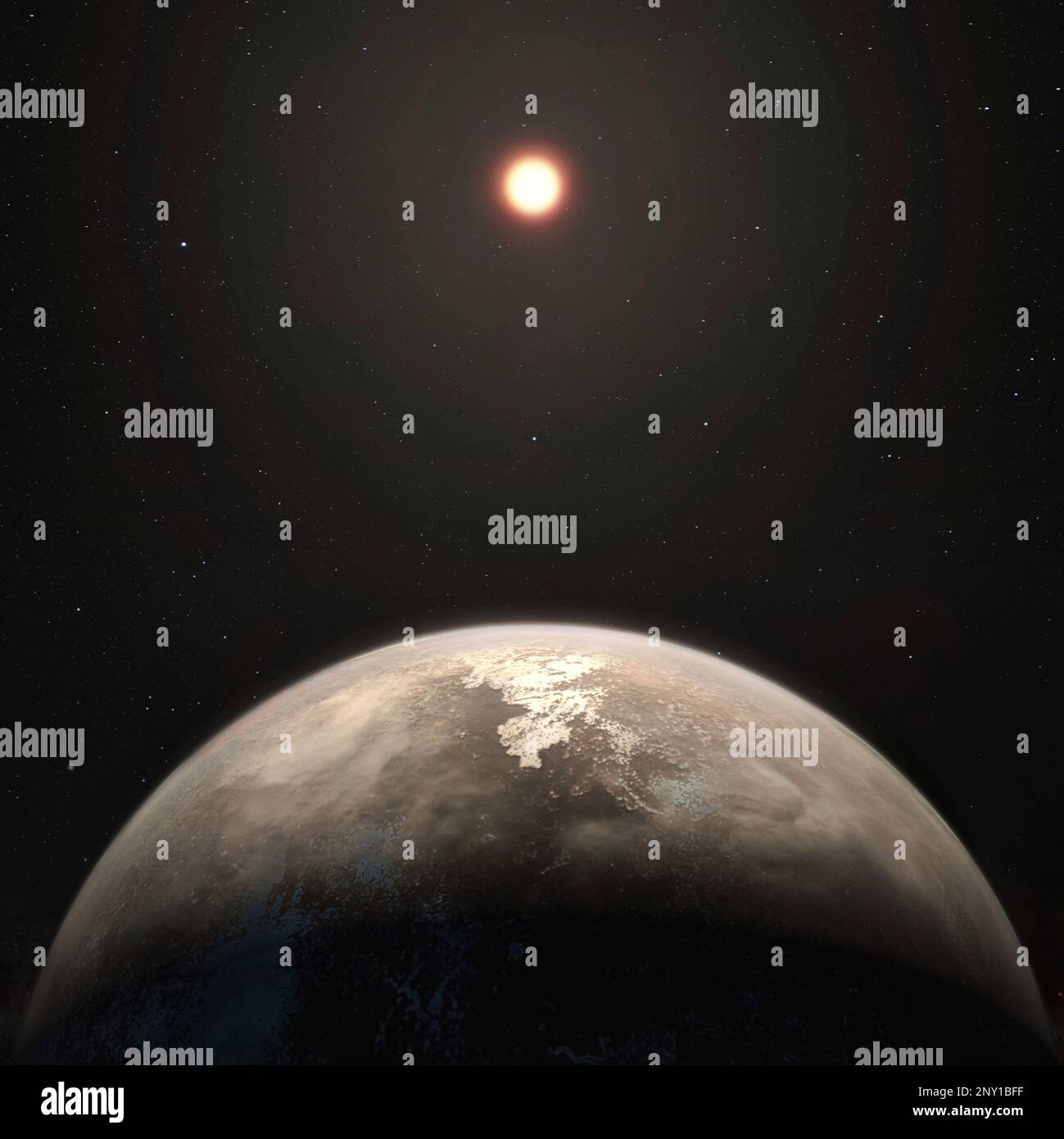
The journey to find life in the cosmos is leisurely and methodical, but each new confirmation of a magnetic field brings us one step closer to answering the age-old question: Are we alone? We invite our readers to stay tuned to the latest updates from global space agencies as we continue to track these groundbreaking developments in space exploration. Do you have thoughts on the future of exoplanetary research? Share your perspective in the comments below.
Related reading