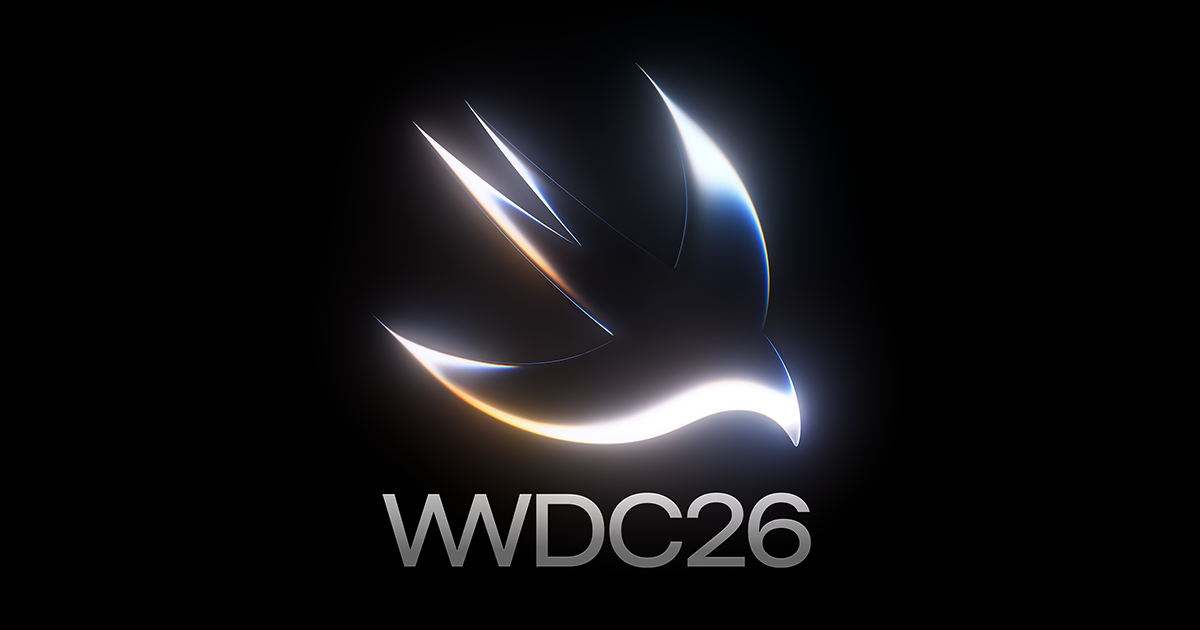
As the calendar inches closer to June, the global developer community is bracing for Apple’s annual Worldwide Developers Conference, better known as WWDC. While the tech industry often thrives on rumors and speculative leaks, the core of the event remains a grounded, foundational moment for software engineers, designers, and creators who rely on Apple’s ecosystem. This year’s gathering, WWDC26, promises to be a pivotal showcase for the next iteration of the company’s operating systems, as developers look for stability and innovation in an increasingly AI-integrated landscape.
For those following the tech sector, the anticipation surrounding WWDC26 is about more than just hardware reveals; it is about the “systems glow”—the collective excitement of seeing how new APIs, machine learning frameworks, and developer tools will shape the apps we use every day. With the event structured as a multi-day, online, and free experience, it remains one of the most accessible touchpoints for global innovation, allowing students and professionals from San Francisco to Seoul to engage with the latest technical documentation and session labs simultaneously.
According to official Apple developer communications, the conference is scheduled to run for five days, offering a comprehensive look at the future of iOS, macOS, watchOS, and visionOS. While exact session titles remain under wraps until the opening keynote, the event serves as the primary mechanism for Apple to disseminate its annual software roadmap. For developers, this is the critical juncture where they learn to adapt their workflows to new privacy mandates and hardware capabilities.
The Evolution of the Developer Ecosystem
Over the past decade, the role of WWDC has shifted from a hardware-centric trade show to a software-heavy deep dive. My experience as a software engineer and journalist has shown that the true value of these five days lies in the technical sessions and the direct access to Apple engineers. As we look toward WWDC26, the industry is particularly focused on how Apple plans to balance its aggressive push into generative AI with its long-standing commitment to on-device privacy.
The “systems glow”—a term often used to describe the seamless integration between hardware and software—will likely be tested this year. We are seeing a shift in how applications handle local processing. As noted in recent Apple Newsroom updates, the company is prioritizing “Private Cloud Compute” and on-device neural processing, which dictates how developers must architect their apps moving forward. This is not just a marketing slogan; it is a fundamental shift in software engineering that requires developers to rethink data pipelines and user authentication.
For those attending virtually, the absence of a physical ticket fee does not diminish the complexity of the content. The conference provides an essential bridge between high-level executive strategy and the granular code-level changes that occur once new SDKs are released. Whether you are a solo developer building on SwiftUI or a lead engineer at a multinational firm, the information presented during these five days is the blueprint for the next twelve months of digital product development.
What to Expect from the Technical Sessions
While the keynote often grabs the headlines, the real work happens in the labs. Attendees can expect a heavy focus on the continued integration of machine learning into the Xcode environment. Based on historical trends and current industry trajectories, we can anticipate several key themes at WWDC26:
- Advanced AI Integration: New frameworks that allow developers to leverage Apple’s proprietary neural engine more efficiently.
- Privacy-First Architecture: Updated guidelines on user data handling, specifically regarding the latest legal requirements for data transparency and user consent in the European Union and the United States.
- Cross-Platform Consistency: Further refinements to the interoperability between visionOS and iOS, signaling a continued investment in spatial computing.
- Developer Tooling Upgrades: Faster build times and more robust testing suites within the latest version of Xcode.
these themes are consistent with Apple’s publicly stated privacy principles, which guide their development roadmap. For developers, staying compliant with these evolving standards is not optional; it is a requirement for maintaining presence on the App Store and ensuring user trust.
Navigating the Five-Day Experience
The online format of WWDC26 is designed to maximize reach. By providing all sessions for free, Apple removes the traditional barriers to entry that once limited attendance to those who could afford travel and expensive tickets. This democratization of information is vital for the health of the global tech ecosystem, particularly for emerging markets where developers are creating the next generation of mobile-first experiences.
To get the most out of the conference, I recommend that developers clear their schedules for the keynote and the subsequent “Platforms State of the Union.” These two sessions provide the necessary context for everything that follows. Following these, the technical documentation, which is typically updated immediately after the keynote, becomes the primary resource for the rest of the week. You can find the latest resources and sign up for updates at the Apple Developer portal.
Looking Ahead: The Next Checkpoint
The excitement of WWDC26 will officially ignite at the opening keynote, which serves as the starting gun for the release of developer betas. Following the conference, the next major milestone for the tech community will be the public beta release of the new operating systems, typically scheduled for mid-summer. This will be the first opportunity for the general public to test the stability and feature sets of the software announced during the conference.
As we approach the event, I encourage our readers to stay tuned to the World Today Journal for ongoing analysis and deep dives into the announcements as they happen. The systems are indeed beginning to glow, and the implications for the future of mobile and spatial computing are significant. Do you have specific questions about how these changes might impact your software projects? Let us know in the comments below or join the conversation on our social channels.
Related reading