
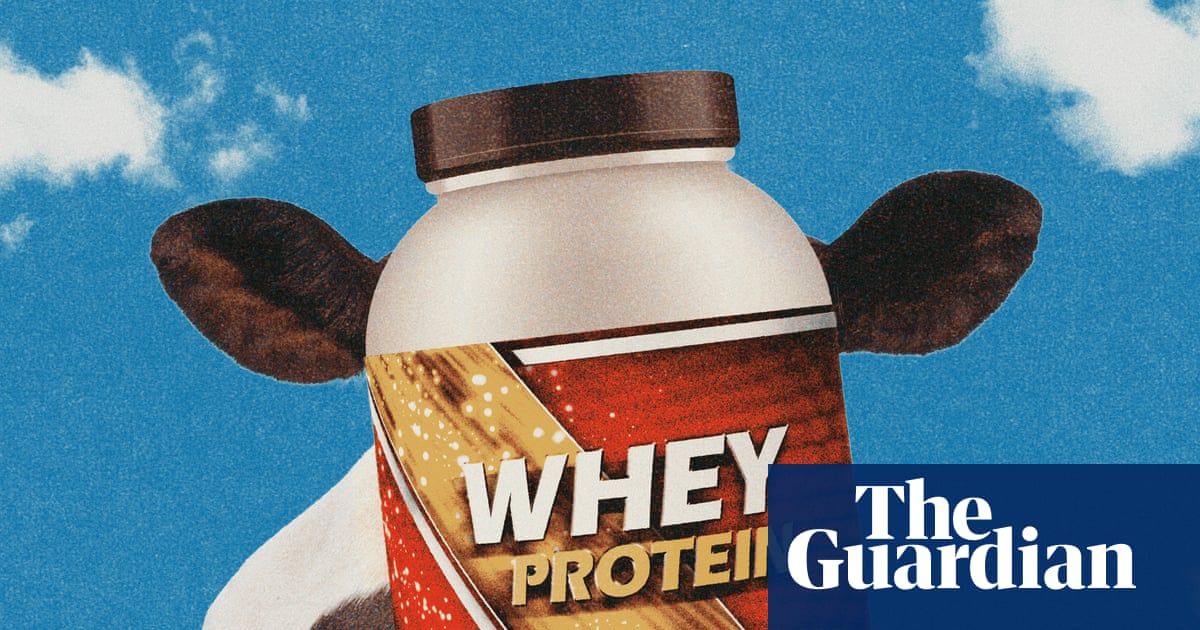
The global demand for high-protein supplements has reached levels where US producers are struggling to keep up, shifting whey protein from a niche bodybuilding staple to a mainstream dietary commodity. As consumer interest in protein-rich diets surges—spurred by broader wellness trends and the popularity of GLP-1s—United States manufacturers are facing pressure to keep pace with the market expansion.
The U.S. is a producer of whey, a byproduct of the cheesemaking process that was historically viewed as waste. While once discarded, this watery protein source has become a centerpiece of the modern functional food industry. Today, the sector serves a diverse demographic far beyond the traditional athletic community.
The Evolution of Whey: From Waste to Global Commodity
For generations, the Meives family made cheese. The transformation of this “waste” into a high-value protein powder represents a significant shift in food processing technology and economic efficiency.
Tony Meives, a Wisconsin-based gym owner and bodybuilder, has observed this transition firsthand. “Twenty years ago, the only people who took whey were bodybuilders,” Meives explains. He notes that over the past five years, the market has really opened up to each and every type of person you can probably think of. This shift reflects a broader cultural change in how consumers perceive protein intake.
Market Drivers and the Protein Surge
The current protein craze is being fueled by a confluence of factors, including GLP-1s. Robert F Kennedy Jr, the US health secretary, declared late last month, that “the war on protein is over”.
The intersection of the pharmaceutical weight-loss market and the supplement industry is also noteworthy. This medical trend has amplified consumer demand for protein sources, placing a strain on existing production facilities.
Challenges in Scaling Production
Meeting the surge in demand is not without technical and logistical hurdles. Whey protein production is inextricably linked to the cheese supply chain.

When cheese demand fluctuates, the byproduct supply becomes unpredictable. This creates a reliance that makes it difficult for supplement manufacturers to guarantee consistent output. Furthermore, the global nature of the supply chain means that U.S. producers are often competing with international buyers, leading to price volatility in the raw whey market.
What Comes Next for the Protein Industry
The future of the whey market will likely be defined by how producers balance the growing demand for protein with the environmental sustainability of dairy operations.
The industry remains in a period of transition as it attempts to move beyond the “boom” phase into a more sustainable, long-term supply model. We invite our readers to share their experiences with these dietary trends in the comments section below or join the conversation on our social media platforms.