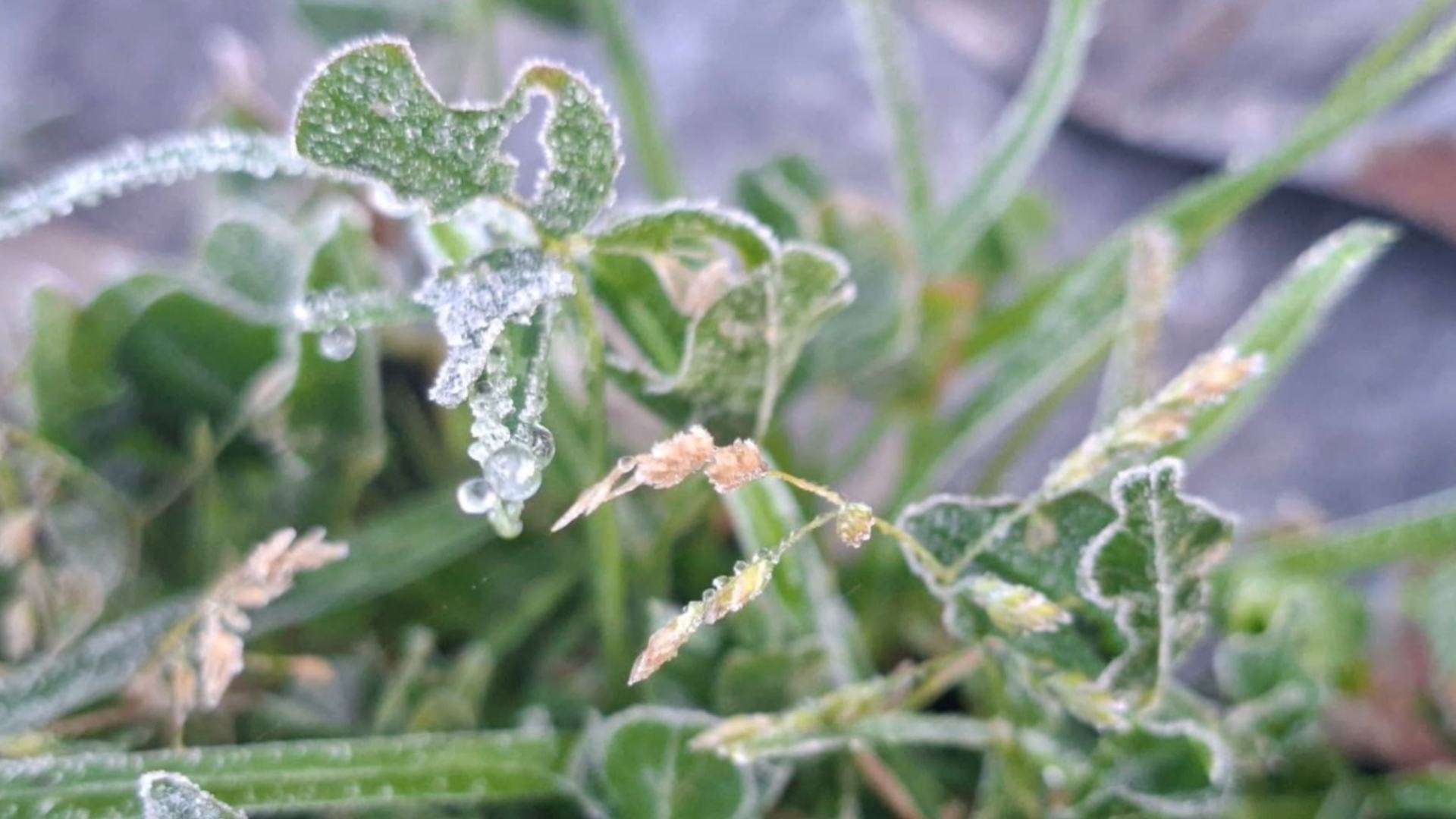
The arrival of spring usually signals a predictable transition toward warmer weather, but for the residents of the mountain regions in Veracruz, the season has delivered a jarring meteorological contradiction. On Thursday, May 14, the municipality of Las Vigas de Ramírez experienced an unexpected spring frost, leaving vegetation, rooftops, and water surfaces coated in ice. While the visual of a frozen landscape in May is striking, the more pressing concern for health officials is the subsequent surge in respiratory distress among the local population.
As a physician and health journalist, I have seen how abrupt climatic shifts act as catalysts for systemic health challenges. In Veracruz, the combination of a sharp temperature drop and the peak of the pollination season has created a “perfect storm” for those suffering from hypersensitivity. This phenomenon is not merely a matter of discomfort; it is a reflection of how our immune systems struggle to calibrate when faced with extreme environmental volatility.
The current situation in Veracruz highlights a critical intersection between meteorology and public health. When a region swings rapidly between cold fronts, heat, and the characteristic “nortes” and “suradas” (northern and southern winds), the respiratory tract becomes more vulnerable. For many, this has manifested as a significant spike in allergic reactions, placing additional pressure on local emergency services and healthcare providers.
The Mechanics of the Spring Frost in Las Vigas de Ramírez
The freezing conditions reported in Las Vigas de Ramírez were the result of the passage of Cold Front 50. According to meteorological data, the phenomenon was classified as a radiative frost. Unlike advective frosts, which are caused by the movement of a cold air mass, a radiative frost occurs due to the accelerated cooling of the Earth’s surface during the early morning hours.
Several specific atmospheric conditions converged to facilitate this event. The combination of cold air, minimal wind, and a completely clear sky allowed heat to escape rapidly from the ground into the atmosphere. While thermometers in the area recorded temperatures around 7 degrees Celsius, the actual thermal sensation—the perceived cold felt by the human body—was likely significantly lower in various points across the mountainous terrain of Veracruz.
The result was the immediate formation of ice on plants, pastures, and metal surfaces. While the frontal system has since moved away from the state, the cold environment persists in the higher altitudes, maintaining a state of physiological stress for the inhabitants of these regions.
A Surge in Respiratory Allergies
The environmental instability has had a direct and measurable impact on public health. Noé de la Cruz, the coordinator of the Cruz Roja Mexicana (Mexican Red Cross) in the Veracruz delegation, has reported a notable increase in medical consultations related to allergies. According to the data registered by the delegation, there has been a 20% increase in allergy-related cases during these months.
This spike is attributed to the convergence of two primary factors: the arrival of the spring season and the extreme fluctuations in temperature. Spring is the primary period for pollination, a biological process where plants release pollen into the air. For individuals with allergic sensitivities, these pollen grains act as allergens, triggering an inflammatory response in the respiratory system.
The volatility of the weather—shifting between the chill of the radiative frost and the heat of the Veracruz coast—exacerbates the body’s reaction. Rapid changes in temperature can irritate the mucosal linings of the nasal passages and bronchial tubes, making it easier for allergens to penetrate and trigger an immune response.
The Medical Perspective: Why the Body Overreacts
To understand why a frost in May leads to a surge in clinic visits, we must look at the underlying pathophysiology of an allergy. An allergy is essentially an overreaction of the immune system to a substance that is typically harmless, such as pollen, pet dander, or certain foods. When an allergic individual inhales pollen during the Veracruz spring, their immune system misidentifies the protein in the pollen as a dangerous invader.
In response, the body produces antibodies called immunoglobulin E (IgE). These antibodies signal mast cells to release histamine and other chemicals into the bloodstream. This chemical cascade is what produces the classic symptoms of a respiratory allergy: sneezing, nasal congestion, itching, and in some cases, difficulty breathing. For most, these reactions are minor irritations, but for a small percentage of the population, they can escalate into life-threatening airway swelling and low blood pressure, known as anaphylaxis.
The addition of cold air, such as that brought by Cold Front 50, can act as a non-specific trigger. Cold air can cause bronchoconstriction (the narrowing of the airways), which, when combined with the inflammation caused by pollen, significantly increases the sensation of breathlessness and respiratory distress.
Common Symptoms of Seasonal Respiratory Allergies
- Nasal Congestion: Swelling of the nasal passages leading to a “stuffy” nose.
- Rhinorrhea: A runny nose, often producing clear, thin mucus.
- Sternutation: Frequent, uncontrollable sneezing.
- Ocular Irritation: Red, itchy, or watery eyes.
- Throat Irritation: An itchy or scratchy sensation in the back of the throat.
Managing Health During Climatic Volatility
When facing the combination of radiative frosts and high pollination levels, preventative care is essential. For those living in the mountainous regions of Veracruz or similar climates, managing the environment is the first line of defense. Reducing exposure to outdoor allergens during peak pollination hours—typically early morning and late evening—can lower the systemic load on the immune system.
Medical management typically involves the use of medications designed to reduce the inflammatory response. Antihistamines can block the action of histamine, while nasal corticosteroids may help reduce the swelling of the nasal passages. However, it is imperative that these medications are used under the guidance of a healthcare professional to avoid side effects or improper dosing.
maintaining hydration and using saline nasal rinses can help clear pollen and irritants from the respiratory tract, providing a non-pharmacological method of symptom relief. For those with pre-existing conditions such as asthma, the sudden temperature drops seen in Las Vigas de Ramírez necessitate a closer adherence to maintenance inhalers to prevent acute exacerbations.
Looking Ahead: The Impact of Weather Extremes
The event in Veracruz serves as a reminder of the unpredictable nature of current weather patterns. The occurrence of a radiative frost in mid-May is an anomaly that disrupts not only agricultural cycles but also the biological rhythms of the human body. As we see more frequent “nortes” and unexpected temperature swings, the burden on public health systems—like the Cruz Roja Mexicana—is likely to increase.
The key to resilience in these scenarios is early detection and public education. Understanding that a sudden drop in temperature can trigger an allergic spike allows patients to prepare and healthcare providers to allocate resources more effectively.
For residents of Veracruz and other regions experiencing similar volatility, monitoring official meteorological updates and maintaining a relationship with a primary care physician are the best strategies for navigating the spring season safely.
Quick Reference: Radiative Frost vs. Respiratory Health
| Environmental Factor | Physiological Effect | Health Outcome |
|---|---|---|
| Clear Skies/Low Wind | Rapid surface heat loss | Radiative Frost formation |
| Cold Front 50 | Sudden temperature drop | Mucosal irritation & bronchoconstriction |
| Spring Pollination | Release of airborne allergens | Immune system overreaction (IgE response) |
| Combined Effect | Synergistic respiratory stress | 20% increase in allergy consultations |
As the region recovers from the effects of Cold Front 50, the focus now shifts to the ongoing pollination season. Residents should remain vigilant regarding their respiratory health and seek medical attention if symptoms progress from minor irritation to difficulty breathing.
We will continue to monitor the health reports from the Veracruz region as the spring season progresses. Please share your experiences with seasonal allergies in the comments below or share this article with those living in high-altitude regions who may be affected by these temperature shifts.
Related reading
- Why Canned Sardines Are the New Global Trend: Health Benefits, Gen Z Appeal, and Style
- Seoul Metropolitan Government Launches First Medical Tourism Supporters Program
- FDA's Compounded Semaglutide Ban, Explained: What Changes for Patients (daybreakwire.com)
- Florida Primary Residence Homestead Exemption Changes for New Homeowners (archyde.com)