
Alphabet Inc., the parent company of Google, is intensifying its capital expenditure strategy to maintain its competitive edge in the rapidly evolving artificial intelligence sector. As the global race for generative AI dominance accelerates, the tech giant is navigating a complex landscape of surging demand for cloud-based AI infrastructure and the substantial financial requirements needed to support it. Recent reports indicate that the company is evaluating significant funding maneuvers to sustain its massive AI buildout.
The core of this strategy revolves around Alphabet’s commitment to expanding its data center footprint and refining its proprietary AI models. According to recent financial disclosures, the company is experiencing intense pressure to keep pace with enterprise and consumer interest in its AI solutions, which now frequently outstrips available supply. This Alphabet investor relations data highlights the immense scale of investment required to power the next generation of large language models and cloud computing services.
For investors and industry observers, the move underscores a broader trend in Silicon Valley: the transition from experimental AI development to industrial-scale deployment. As Alphabet continues to integrate its Gemini models across the Google ecosystem, the financial commitment required to maintain high-performance computing clusters is reaching unprecedented levels. This article explores the implications of these capital requirements and what they mean for the future of AI innovation.
The Rising Cost of AI Infrastructure
Developing and running advanced AI models is an incredibly resource-intensive endeavor. It requires massive clusters of Graphics Processing Units (GPUs) and specialized Tensor Processing Units (TPUs), which are essential for training complex neural networks. Alphabet’s recent 10-Q filing with the U.S. Securities and Exchange Commission confirms that capital expenditures remain a primary focus, as the company seeks to build the infrastructure necessary to satisfy the global appetite for AI-driven services.

The demand is not merely internal; it is driven by Google Cloud’s expanding customer base. Enterprises across the financial, healthcare, and manufacturing sectors are increasingly relying on Google’s infrastructure to build their own AI-powered applications. This creates a two-fold demand: the need to power Google’s consumer-facing products like Search and YouTube, and the need to provide robust, scalable compute power to external business clients.
Industry analysts note that this “arms race” for compute power is leading to a significant increase in the operational costs of major tech firms. While the potential return on investment for AI is massive, the upfront costs for physical hardware and energy-efficient data centers represent a long-term commitment that requires careful financial planning and consistent access to capital markets.
Strategic Capital Allocation and Market Trends
To fund these initiatives, companies like Alphabet often look toward a mix of cash reserves, operational revenue, and, when necessary, debt financing. By raising capital, the firm ensures that its R&D pipeline—which includes advancements in multimodal AI and autonomous systems—is not interrupted by short-term market volatility. The global AI infrastructure market is currently witnessing a capital influx as companies prioritize long-term technical superiority over immediate margin expansion.

This strategy also allows Alphabet to maintain its position against competitors like Microsoft and Amazon, both of which are also heavily investing in their respective cloud and AI divisions. For the consumer, this means faster, more integrated AI features in everyday tools. For the tech industry, it marks a shift toward a “capital-heavy” phase of software development, where the ability to build and maintain massive physical infrastructure is just as important as the ability to write cutting-edge code.
Key Factors Driving the AI Buildout
- Compute Scarcity: The global shortage of high-end AI chips like those produced by NVIDIA has forced tech leaders to secure long-term supply chains through massive capital investment.
- Energy Consumption: Scaling AI models requires significantly more power, necessitating investments in sustainable energy and advanced cooling technologies for data centers.
- Enterprise Integration: The shift of corporate workloads to the cloud, specifically for AI-driven data analytics and automation, is creating a sustained revenue stream that justifies the buildout costs.
- Model Sophistication: As models like Gemini become more capable, the training runs require progressively larger clusters, driving up the “cost of intelligence.”
What This Means for the Future of Tech
The decision to prioritize AI infrastructure is a signal that Alphabet views artificial intelligence as the fundamental layer of the next decade of digital commerce. By securing the necessary capital to scale, the company is effectively hedging against the risk of falling behind in the generative AI era. However, this approach is not without its risks. High capital expenditure can lead to scrutiny from shareholders who may prefer higher dividends or stock buybacks over aggressive expansion.
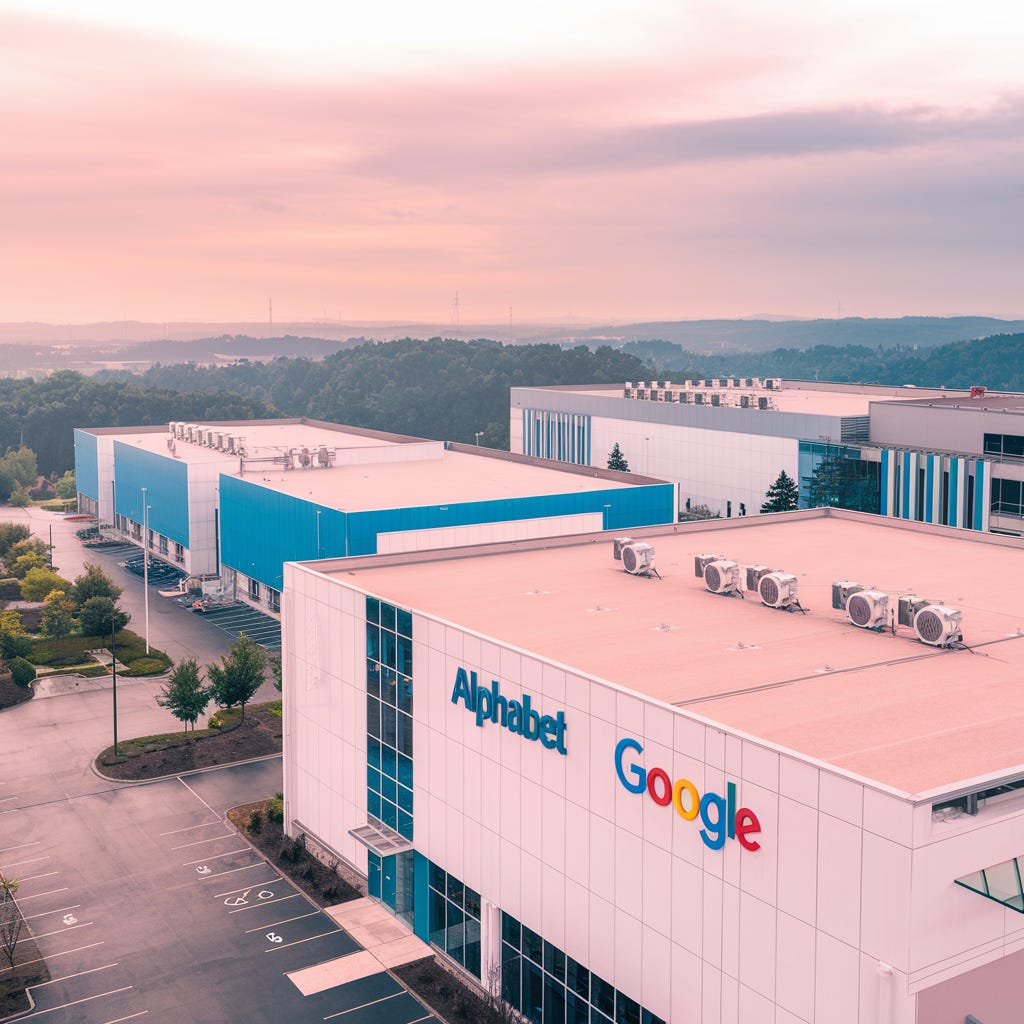
Looking ahead, the success of this strategy will depend on the company’s ability to monetize its AI investments. As Google continues to roll out AI-enhanced search results and cloud-based enterprise tools, the firm must prove that the massive capital outlays are translating into sustainable growth and improved profit margins. For now, the market appears to be in a “wait and see” mode, closely monitoring upcoming quarterly earnings calls for signs of efficiency and return on capital.
The next major milestone for investors will be the upcoming quarterly earnings release, where Alphabet is expected to provide further clarity on its capital expenditure guidance for the remainder of the fiscal year. These reports are essential for understanding how the company intends to balance its ambitious AI roadmap with its commitment to fiscal discipline. We encourage our readers to stay tuned to the Alphabet Investor Relations portal for the most accurate and up-to-date information regarding their financial strategy and future filings.
What are your thoughts on the massive capital requirements for AI? Join the conversation in the comments below and share this article with your professional network to keep the discussion going.