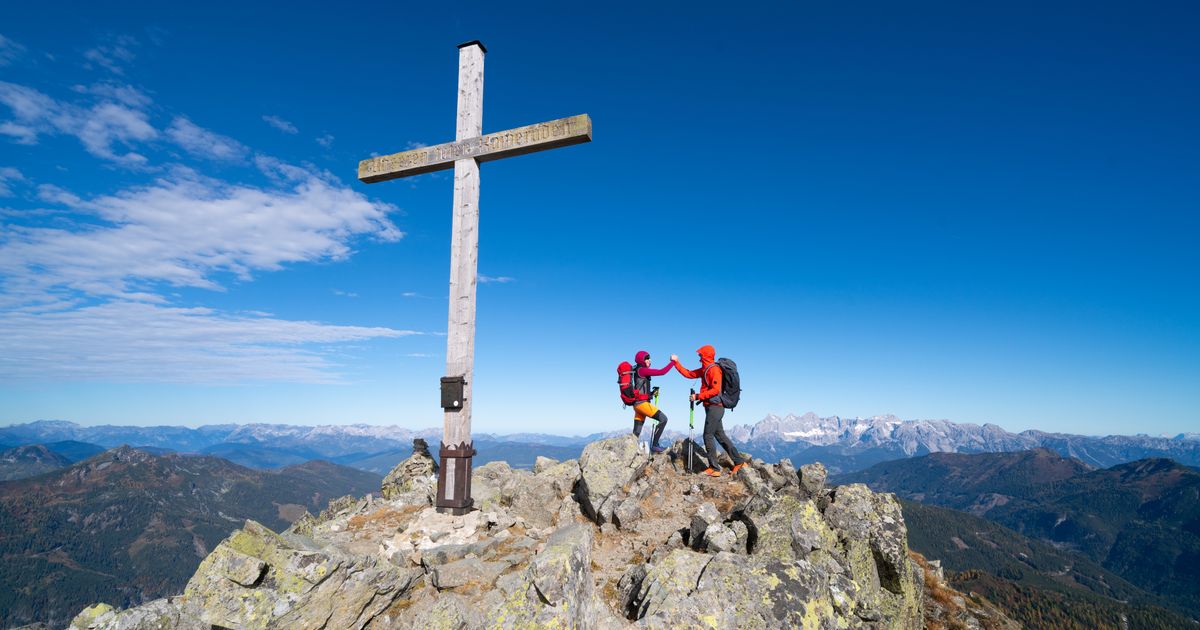
In the high-altitude theater of the Alps, the line between a breathtaking cinematic moment and a life-threatening emergency is becoming increasingly blurred. For many outdoor enthusiasts, the primary objective of a mountain excursion has shifted from the summit to the smartphone, as the drive to capture the “perfect shot” for platforms like TikTok and Instagram begins to override fundamental safety protocols.
This digital shift is not merely a matter of vanity; it is a growing safety crisis. Experts and mountain rescue organizations are observing a troubling trend: the aestheticization of danger. Short-form video content often strips away the complexity of mountain environments, presenting treacherous terrain, unpredictable weather and technical climbs as simple, accessible, and—most importantly—glamorous activities. This “filter effect” is fundamentally altering how a new generation of hikers and climbers perceives risk.
The Alpenverein (Austrian Alpine Club) has raised significant alarms regarding this phenomenon. Their recent assessments suggest that social media is playing a central role in trivializing the inherent dangers of the mountains. By condensing a multi-hour, high-risk ascent into a 15-second clip accompanied by upbeat music, social media platforms are inadvertently teaching users that the mountains are a playground rather than a volatile natural environment.
The Digital Mirage: How Social Media Trivializes Alpine Risks
The core of the issue lies in the psychological disconnect between digital representation and physical reality. On social media, the “reward” (the view, the thrill, the social validation) is front and center, while the “cost” (the preparation, the physical exhaustion, the environmental hazards) is edited out. This creates a skewed reality for viewers, particularly younger audiences who may lack the experience to recognize the subtle signs of danger.

This phenomenon, often referred to as the “aestheticization of risk,” manifests in several ways:

- The Erasure of Preparation: Content creators rarely film the hours spent studying topographic maps, checking weather forecasts, or packing essential emergency gear. This gives the impression that mountain access is as easy as walking into a park.
- The Normalization of Near-Misses: Clips featuring hikers standing precariously on narrow ridges or exposed cliff edges are often presented as feats of bravery rather than instances of extreme recklessness. When these clips garner millions of views and “likes,” they validate high-risk behavior as a standard part of the outdoor experience.
- The Compression of Time and Complexity: A technical scramble that requires hours of focus and specific equipment is reduced to a momentary transition in a video, suggesting that the difficulty level is negligible.
As tech editor at World Today Journal, I have observed similar patterns in other sectors of digital culture, where the pressure to perform for an audience leads to a “gamification” of real-world activities. In the mountains, however, the stakes are not just digital reputation, but physical survival.
Alpenverein Warnings: A Growing Concern for Mountain Safety
The Alpenverein has been vocal in its efforts to combat this trend, emphasizing that the “easy” appearance of mountain activities on social media is a dangerous illusion. The organization’s warnings focus on the fact that social media does not just reflect current trends; it actively shapes them, often driving people into environments for which they are fundamentally unprepared.
A critical component of the Alpenverein’s concern is the shift in accident profiles. There is a growing observation that mountain fatalities and serious injuries are not confined to the winter avalanche season. In fact, recent trends have shown a concerning rise in accidents during the summer and autumn months. This shift is partly attributed to the increased number of people engaging in mountain activities—driven by social media inspiration—who lack the seasonal awareness and technical skills required for high-altitude environments.
The organization highlights that the “summer mountain” is often perceived as “safer” than the “winter mountain,” leading to a fatal complacency. While the threat of avalanches may be absent, the risks of lightning strikes, sudden weather shifts, dehydration, and falls on technical terrain remain constant and deadly.
The Impact of Influencer Culture on Risk Perception
The rise of the “outdoor influencer” has introduced a new variable into mountain safety. Unlike traditional mountain guides or experienced mountaineers who emphasize caution and respect for nature, influencers are often incentivized by engagement metrics. High-engagement content is frequently synonymous with high-adrenaline, high-visual-impact activities.
This creates a feedback loop: influencers seek out more extreme locations to maintain their following, and their followers, seeking to emulate that lifestyle, attempt similar feats without the necessary training. This cycle bypasses the traditional, incremental way mountaineering skills are typically acquired—through mentorship, gradual difficulty increases, and deep environmental study.
Analyzing the Trends: Accident Statistics and Seasonal Shifts
While specific annual figures vary by region, the overarching trend reported by Alpine safety bodies indicates a significant volume of accidents occurring during the warmer months. The misconception that the mountains are “tame” in the summer is a primary driver of these statistics.
Key factors contributing to the rise in non-winter mountain accidents include:
| Risk Factor | Impact of Social Media Influence |
|---|---|
| Weather Volatility | Videos rarely capture the rapid transition from sunshine to severe thunderstorms. |
| Terrain Misjudgment | Static or short-moving shots hide the true scale and steepness of a slope. |
| Equipment Gaps | Focus on “aesthetic” hiking gear rather than technical safety equipment. |
| Physical Overestimation | Users attempt routes based on visual ease rather than physical capability. |
The Alpenverein continues to advocate for a “mountain-first” mentality, urging users to prioritize local weather reports and official trail difficulty ratings over the visual cues provided by social media feeds. The goal is to move away from a culture of “performing” the mountains and back toward a culture of “respecting” them.
Navigating the Mountains in the Age of the Influencer
For those inspired by the beauty of the Alps through their screens, the transition from digital admirer to mountain explorer must be handled with extreme caution. Safety in the mountains is not a matter of opinion; it is a matter of preparation and respect for physical laws.
To navigate this landscape safely, experts recommend the following protocols:
- Verify, Don’t Just View: Never assume a route is easy because it looks easy on a screen. Always consult official sources, such as the Alpenverein or local mountain rescue services, for current conditions and trail difficulty.
- Respect the “Unseen” Elements: Always prepare for the weather that is *not* in the video. This includes carrying adequate layers, emergency shelter, and communication devices, even on seemingly short “day hikes.”
- Prioritize Skill Over Gear: While high-quality gear is key, it cannot replace technical knowledge. If a video shows someone performing a technical maneuver, assume that specific skill is required and seek professional instruction before attempting it.
- Practice Digital Responsibility: If you are a content creator, consider the impact of your posts. Providing context about the difficulty of a climb or the necessity of safety gear can help mitigate the “filter effect” for your audience.
As the digital and physical worlds continue to merge, the responsibility for mountain safety is shifting. It is no longer just the responsibility of rescue teams to respond to accidents; it is becoming a shared responsibility between the platforms that host the content, the creators who produce it, and the users who consume it.
The Alpenverein is expected to release updated seasonal safety advisories and accident trend analyses as the summer hiking season progresses. We will continue to monitor these reports for any shifts in accident patterns related to digital influence.
What are your thoughts on how social media is changing outdoor culture? Have you noticed a difference in how people approach nature today? Let us know in the comments below and share this article to spread awareness.
Related reading