
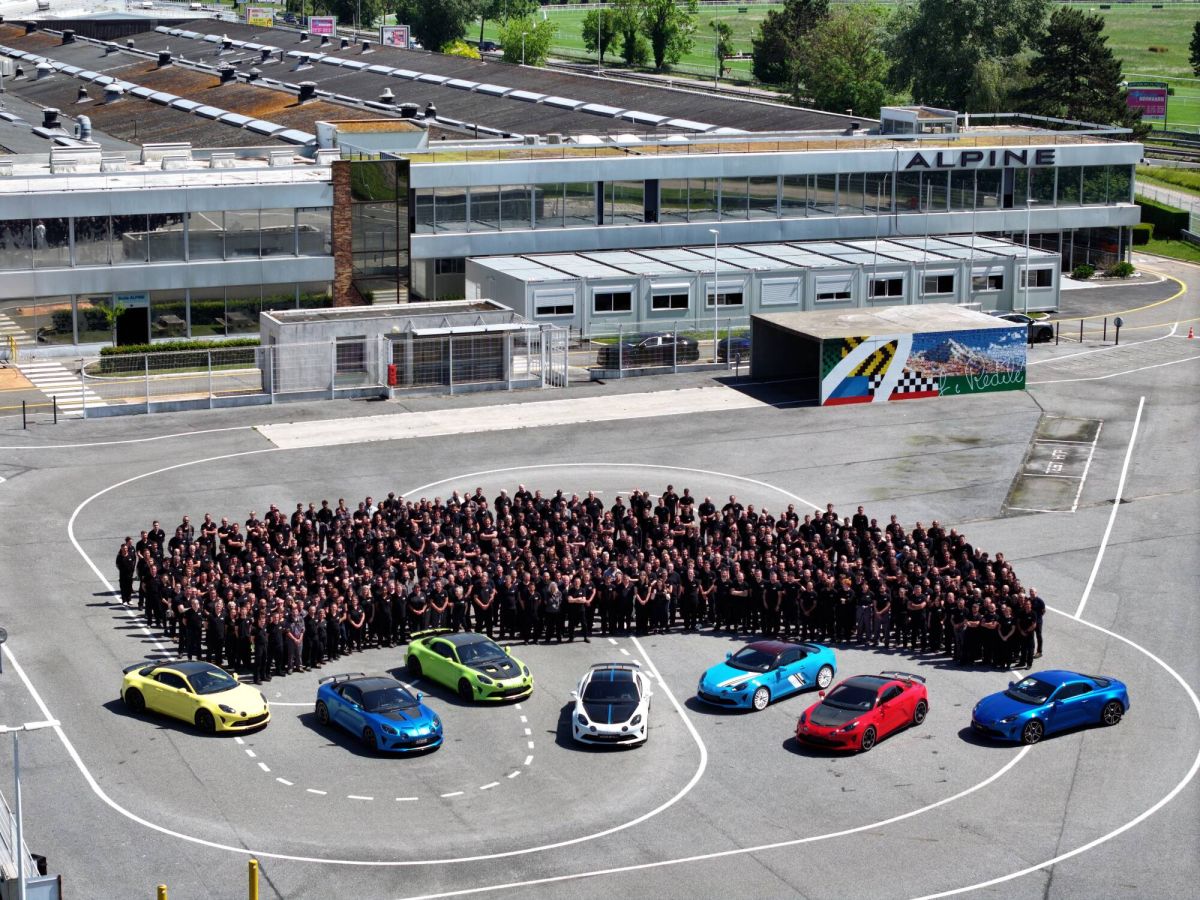
Alpine has officially concluded the production of the internal combustion engine version of its iconic A110 sports car, marking a definitive shift in the brand’s strategy toward an all-electric future. The French automaker, a subsidiary of the Renault Group, confirmed that the transition aligns with its broader corporate goal to electrify its entire vehicle lineup by 2030. This move represents a significant pivot for the brand, which has relied on the lightweight, gasoline-powered A110 as its primary market offering since the model’s revival in 2017.
According to official communications from Alpine, the decision to phase out the internal combustion engine (ICE) A110 is part of the “Dream Garage” strategy, an industrial plan designed to transition the company into a high-performance electric brand. The A110, celebrated for its agile handling and aluminum construction, will be succeeded by a new generation of battery-electric vehicles (BEVs). The manufacturer has indicated that while the current production run of the combustion-engine model has ended, the brand will maintain its focus on maintaining the “Alpine spirit”—defined by performance, lightweight engineering, and driving dynamics—as it moves into the electric era.
The Evolution of the Alpine A110
The A110 was instrumental in the relaunch of the Alpine brand, serving as a modern homage to the original 1960s sports car. Since its market debut in late 2017, the vehicle has been produced at the Dieppe factory in Normandy, France, a facility with a long history of manufacturing performance cars. The Dieppe plant, often referred to as the “Alpine Manufacture,” has undergone recent upgrades to accommodate the assembly of future electric models, ensuring the preservation of local expertise while pivoting to new powertrain technologies.

Market analysts have noted that the A110’s departure from the ICE segment reflects a wider trend among European performance car manufacturers, who are increasingly facing stringent emissions regulations and shifting consumer demand. The European Union’s commitment to reducing carbon emissions has accelerated the development of electric platforms across the automotive industry, as detailed in the CO2 emission performance standards for vehicles. For Alpine, this transition is not merely a compliance measure but a strategic rebranding to position the company against premium electric competitors.
Strategic Shift to Electric Performance
The future of Alpine hinges on the development of its “Dream Garage,” which includes a range of electric vehicles designed to replace the current combustion lineup. The brand has already announced plans for an electric hot hatch, a crossover, and a successor to the A110 sports car, all of which will be powered by high-density battery packs. By integrating advanced electric powertrains, Alpine aims to retain the power-to-weight ratio that made the original A110 a success, while leveraging the instant torque provided by electric motors.
This transition process is managed by the Renault Group, which has committed to significant investment in battery technology and electric vehicle infrastructure. According to the Renault Group corporate strategy reports, the aim is to capitalize on the performance benefits of electrification to enhance vehicle dynamics. The move to end the A110’s combustion production is a calculated risk, as the brand must now prove that its future electric offerings can replicate the visceral driving experience enthusiasts associate with the Alpine name.
What Lies Ahead for Alpine Enthusiasts
As production of the gasoline-powered A110 ceases, the secondary market is expected to see a rise in interest for existing models, particularly the high-performance “R” variants that pushed the limits of the vehicle’s chassis. For current owners, the transition does not signal an end to service or support; the Dieppe facility remains operational, and the global network of Alpine centers will continue to provide maintenance and parts for the legacy ICE fleet.

The next major checkpoint for the brand will be the official market launch of its first next-generation electric sports car, which is currently in the late stages of development. Alpine has stated that updates regarding its future production roadmap and the specific technical specifications of its upcoming electric lineup will be provided through its official channels as testing nears completion. Prospective buyers and enthusiasts are encouraged to monitor the official Alpine website for upcoming announcements regarding pre-order windows and regional availability for the forthcoming electric models.
The shift represents a fundamental change in the automotive landscape, moving from the mechanical complexity of traditional engines to the digital and electrical integration of modern mobility. Whether the brand can successfully translate its heritage into a purely electric environment remains a subject of intense focus for industry observers and fans of the marque alike.