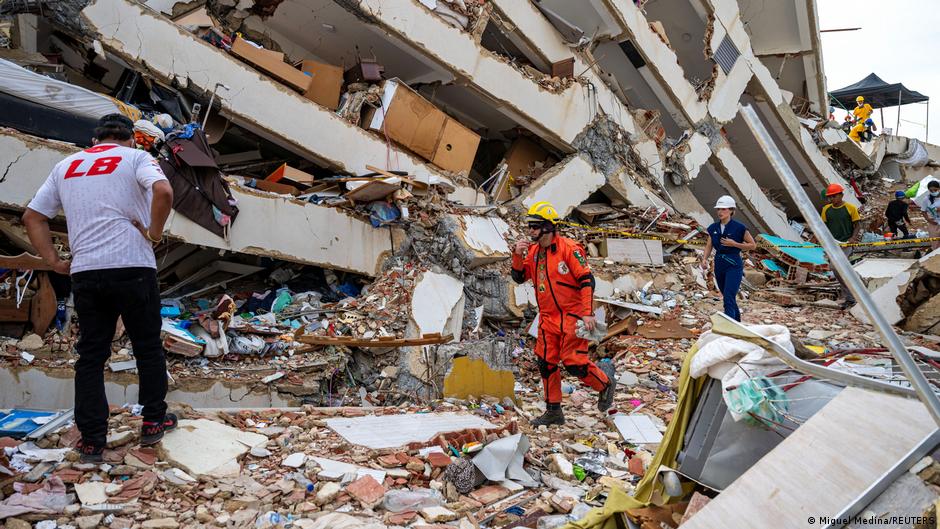
Venezuela’s seismic safety standards, codified primarily in the COVENIN 1756 standard, serve as the technical framework for building design, yet the country’s history of structural failures during earthquakes highlights a significant gap between regulatory requirements and construction reality. When major seismic events occur, the collapse of multi-story buildings is often attributed to a combination of outdated adherence to older codes, poor soil quality in high-risk zones, and insufficient maintenance of aging infrastructure.
I have covered how seismic vulnerability remains a critical issue for urban centers located along Venezuela’s northern coastal range. This region, which sits near the boundary of the Caribbean and South American tectonic plates, faces constant risks that demand rigorous compliance with modern safety protocols. Understanding why these structures fail requires looking beyond the blueprints to the actual execution of engineering projects and the environmental conditions of the sites themselves.
The Evolution of Seismic Standards in Venezuela
Venezuela has maintained a structured approach to seismic safety through the Venezuelan Commission for Industrial Standards (COVENIN). The primary guideline, COVENIN 1756, titled “Edificaciones Sismorresistentes” (Seismic Resistant Buildings), has undergone several revisions since its inception to incorporate lessons learned from catastrophic events. These standards dictate how structures must be designed to withstand lateral forces generated by tectonic shifts, specifying everything from the ductility of reinforced concrete to the configuration of structural frames.
However, experts frequently point out that the existence of a code does not guarantee its application to older buildings. Structures built before the implementation of updated 1990s or 2000s-era revisions often lack the necessary reinforcement for modern safety levels. The age of a building is a primary indicator of its potential failure during a high-magnitude event. Many residential buildings in high-density areas were constructed during periods when seismic codes were either non-existent or significantly less stringent than current requirements.
Why Structural Failures Persist
The collapse of buildings in areas like La Guaira during past seismic events has been studied extensively by civil engineers. Three primary factors consistently emerge in reports regarding why these structures fail:

- Soil Liquefaction and Site Effects: Many coastal developments are built on alluvial soil or reclaimed land. During an earthquake, these soils can lose their strength and behave like a liquid, causing buildings to tilt or collapse even if the structures themselves were relatively well-built.
- Structural Irregularities: Buildings with “soft stories”—typically ground floors with large open spaces for parking or commercial use—are significantly more vulnerable to collapse. These designs create a weak point that cannot support the weight of the levels above during the intense lateral swaying of an earthquake.
- Lack of Maintenance and Retrofitting: Even buildings designed to code can lose their integrity over decades due to corrosion of steel reinforcements, water damage, or unauthorized structural modifications made by residents, such as removing walls to expand living spaces.
These findings align with international observations on urban seismic risk, where the “urban fabric” of older cities often outpaces the capacity of local governments to enforce modern retrofitting mandates.
The Role of Oversight and Enforcement
A recurring challenge in the Venezuelan context is the enforcement of building codes during rapid urban expansion. While the COVENIN standards are robust on paper, their application depends on municipal oversight, building inspections, and the availability of resources for seismic retrofitting. In many instances, the economic pressure to provide low-cost housing has historically led to the acceleration of construction timelines, sometimes at the expense of rigorous seismic detailing.
Furthermore, the maintenance of existing public and private infrastructure requires ongoing investment that is often deprioritized compared to immediate operational needs. When a seismic event occurs, the resulting damage often exposes these systemic gaps, leading to national periods of mourning and calls for international assistance to manage the recovery process. As noted in reports regarding the aftermath of major quakes, the humanitarian response is frequently complicated by the sheer scale of structural damage in high-density, vulnerable neighborhoods.
Moving Forward: Safety and Preparedness
For residents and urban planners, the focus remains on identifying the most vulnerable structures. Practical steps for improving safety in high-risk zones include:

- Conducting professional structural audits of older, high-occupancy buildings.
- Prioritizing the reinforcement of essential infrastructure, such as schools and hospitals, which must remain functional after a disaster.
- Enforcing strict compliance with current COVENIN standards for all new construction projects, regardless of building size.
The resilience of Venezuelan cities in the face of tectonic activity depends not just on the strength of the concrete, but on the transparency of building inspections and the public’s commitment to seismic preparedness. As the country looks toward future infrastructure development, the integration of modern seismic technology and consistent regulatory oversight remains the only path to mitigating the tragic loss of life associated with structural collapses.
We encourage our readers to share their thoughts or experiences regarding urban planning and safety in the comments section below.