Newly discovered Brain Cells Offer Hope for Alzheimer’s Prevention and Treatment
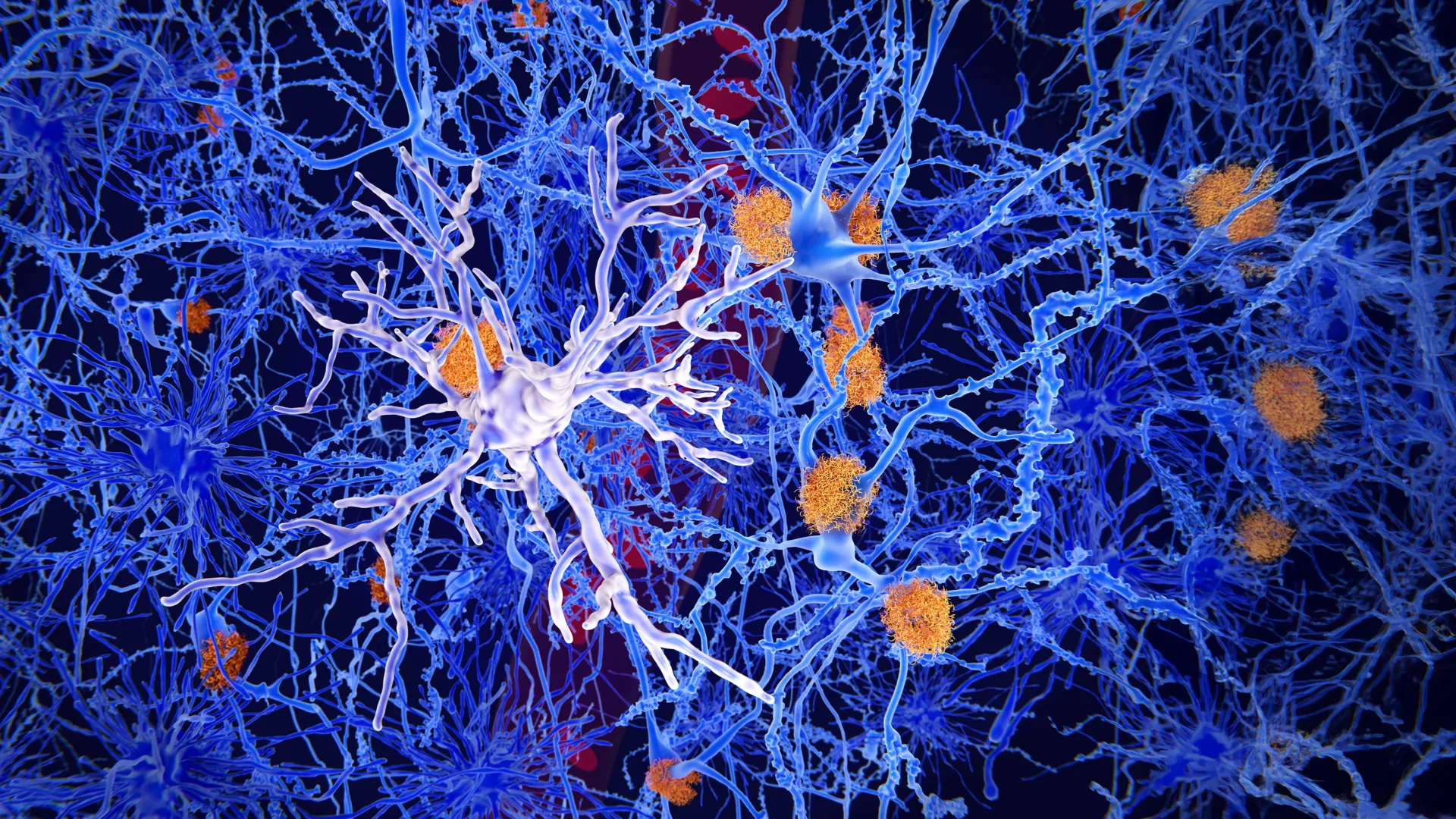
For decades, Alzheimer’s disease has remained a formidable challenge, defying attempts at effective prevention and treatment.Though, a groundbreaking international collaboration led by the Max Planck Institute for Biology and Ageing in Cologne, Germany, and The Rockefeller University in New York, has identified a unique population of microglia – the brain’s resident immune cells – that actively protect against the disease’s progression. This finding, published November 5th in the prestigious journal Nature, offers a compelling new therapeutic avenue for slowing, and potentially preventing, this devastating neurodegenerative condition.
understanding the Role of Microglia in Alzheimer’s Disease
Traditionally, microglia have been viewed as primarily destructive players in Alzheimer’s, contributing to the chronic inflammation that exacerbates neuronal damage. However, this new research reveals a far more nuanced picture. The team demonstrated that a specific subset of microglia, characterized by low levels of the transcription factor PU.1 and high expression of the receptor CD28, actively combats the hallmarks of Alzheimer’s: amyloid plaque buildup and the spread of toxic tau proteins.
“This isn’t simply about suppressing inflammation; it’s about harnessing the brain’s own protective mechanisms,” explains dr. Anne Schaefer, MD, PhD, Professor at the Icahn School of Medicine and Director of the Max Planck Institute for Biology of Ageing, and senior author of the study. “Our work builds on years of research demonstrating the remarkable plasticity of microglia and their crucial roles in maintaining brain health. It underscores the power of collaborative, international research in tackling complex diseases.”
The PU.1-CD28 Pathway: A Key to Brain Protection
The research team meticulously investigated the molecular mechanisms driving this protective function.PU.1,a protein that regulates gene expression,appears to act as a brake on the beneficial activity of these microglia. Lowering PU.1 levels encourages these cells to express immune-regulating receptors typically found in lymphoid cells – the cells responsible for adaptive immunity. This shift transforms the microglia into potent suppressors of brain-wide inflammation.
CD28, a signaling receptor traditionally associated with T cell activation, proves critical in maintaining the activity of these protective microglia. Experiments using mouse models of Alzheimer’s, alongside analysis of human brain cells and tissue, revealed that removing CD28 from this specific microglial subset led to a resurgence of inflammation and accelerated plaque growth. This confirms CD28’s essential role in sustaining the brain-protective function of these cells.
Genetic Evidence Supports the Findings
this discovery isn’t emerging from a vacuum. It’s strongly supported by prior genetic research led by Dr.Alison M. Goate,DPhil,Chair of the Department of Genetics and genomic Sciences at the Icahn School of Medicine. Dr. Goate’s earlier work identified a common genetic variant in SPI1 (the gene encoding PU.1) associated with a reduced risk of developing Alzheimer’s disease.
“These results provide a compelling mechanistic explanation for our genetic findings,” states Dr. Goate. “They demonstrate why lower PU.1 levels correlate with decreased Alzheimer’s risk, solidifying the link between this pathway and disease susceptibility.”
Implications for Immunotherapy and Future Research
The identification of the PU.1-CD28 relationship represents a significant paradigm shift in our understanding of Alzheimer’s disease. It opens the door to novel immunotherapeutic strategies aimed at modulating microglial activity.
“It’s remarkable to see molecules traditionally studied in the context of B and T lymphocytes also regulating microglial function,” notes Dr. Alexander tarakhovsky, MD, PhD, Professor of Immunology at The Rockefeller University and co-author of the study. “This highlights a shared logic of immune regulation across different cell types and suggests that we can leverage our understanding of the immune system to develop targeted therapies for Alzheimer’s.”
While still in its early stages, this research offers a beacon of hope.Future research will focus on:
* Developing targeted therapies: Strategies to selectively lower PU.1 levels or enhance CD28 signaling in microglia.
* Identifying biomarkers: Finding ways to identify individuals with a deficiency in these protective microglia, allowing for early intervention.
* understanding the broader microglial landscape: Investigating how these protective microglia interact with other microglial subtypes and brain cells.
This research, supported by a broad coalition of funding organizations (including the NIH, ERC, and Alzheimer’s Association), represents a major step forward in the fight against Alzheimer’s disease. By shifting the focus from simply managing symptoms to harnessing the brain’s inherent protective capabilities, we may finally be on the path to effective prevention and treatment.
Disclaimer: *I am an AI chatbot and cannot provide medical advice. This information is for general knowledge and informational purposes