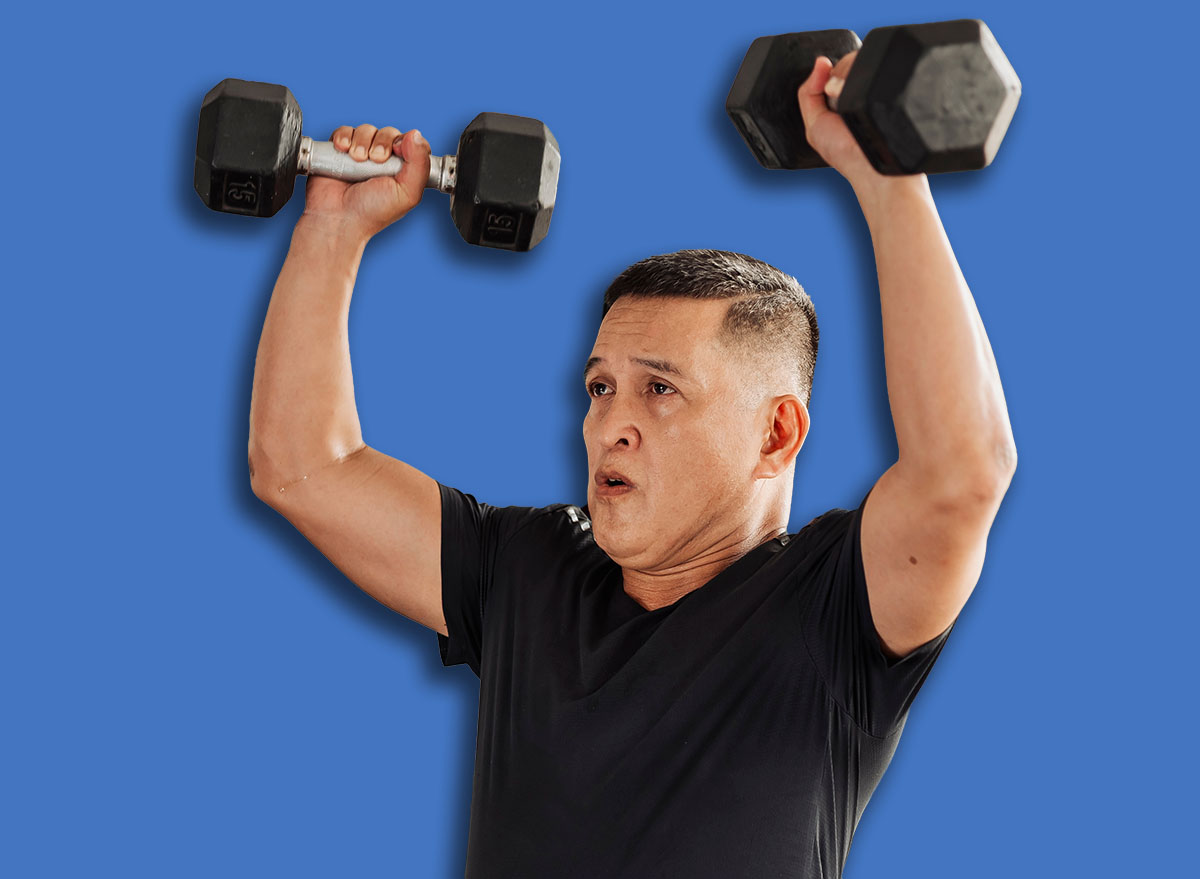
The Essential Strength Training Routine for a Vibrant Life after 40
As you move through life, maintaining strength isn’t just about aesthetics-itS about preserving your independence, vitality, and overall health. After 40, your body begins to experience natural changes, including muscle loss and decreased bone density.Fortunately, a well-structured strength training routine can counteract these effects and empower you to live a fuller, more active life.
This guide outlines five crucial exercises to incorporate into your fitness regimen, focusing on building a strong foundation for years to come.These movements aren’t about chasing peak performance; they’re about building functional strength that supports your daily activities and protects your long-term well-being.
1. Squats: The Foundation of Lower body Power
Squats are arguably the most effective exercise for building lower body strength and improving overall functionality. They work multiple muscle groups simultaneously, including your quads, hamstrings, glutes, and core.
How to do it:
* Stand with your feet shoulder-width apart, toes slightly outward.
* Keep your back straight and core engaged.
* Lower your hips as if sitting back into a chair, keeping your weight in your heels.
* Descend until your thighs are parallel to the ground (or as low as comfortably possible).
* Drive through your heels to return to the starting position.
* Aim for three to four sets of eight to 12 repetitions, resting for 60-90 seconds between sets.
2. Deadlifts: Building Full-Body Strength and Resilience
Deadlifts are a powerhouse exercise that strengthens your entire posterior chain-the muscles running along the back of your body. This includes your back, glutes, hamstrings, and core.
How to do it:
* Stand with your feet hip-width apart, a barbell (or dumbbells) in front of you.
* Hinge at your hips, keeping your back straight and core engaged.
* Grasp the barbell with an overhand grip, slightly wider than shoulder-width.
* Lift the weight by extending your hips and knees simultaneously, keeping the barbell close to your body.
* Lower the weight back to the ground with control,maintaining a straight back.
* Perform three to four sets of six to eight repetitions, resting for 90-120 seconds between sets.
3. Lunges: Enhancing Balance and Lower Body Strength
Lunges are a fantastic unilateral exercise, meaning they work one leg at a time. This helps improve balance,coordination,and address any strength imbalances you may have.
How to do it:
* stand with your feet hip-width apart.
* Step forward with one leg, lowering your body until both knees are bent at 90-degree angles.
* Ensure your front knee stays behind your toes.
* Push off with your front foot to return to the starting position.
* Alternate legs for three to four sets of 10-12 repetitions per leg, resting for 60-90 seconds between sets.
4. Row (dumbbell or Barbell): Strengthening Your Back and Improving Posture
Rows are essential for building upper back strength and counteracting the effects of prolonged sitting. They also improve posture and shoulder health, which becomes increasingly critically important as you age.
How to do it:
* Hold a dumbbell or barbell with a neutral spine and hinged hips.
* Let your arms hang straight down toward the floor.
* Pull your elbows toward your hips, focusing on squeezing your shoulder blades together.
* Lower the weight slowly under control.
* Complete three to four sets of eight to 12 repetitions, resting for 60-90 seconds between sets.
5. Overhead Press (Dumbbell or Barbell): Building Shoulder Strength and Core Stability
The overhead press is a challenging but incredibly rewarding exercise. It builds strong shoulders and arms while demanding significant core stability.
How to do it:
* Stand tall holding dumbbells or a barbell
Related reading