Understanding teh Lunar Cycle: A Comprehensive Guide to the Moon’s Phases
Have you ever gazed at the moon adn wondered why it looks different each night? The moon’s changing appearance, known as its phases, is a beautiful and predictable celestial dance governed by the relative positions of the sun, Earth, and moon. Let’s explore this captivating cycle together.
What Creates the Moon Phases?
Essentially, the phases are all about light and shadow. as the moon orbits Earth, different portions of its sunlit surface become visible to us. This creates the illusion of the moon changing shape, even though its actual form remains constant.
Scientists generally divide the lunar cycle – lasting approximately 29.5 days – into eight distinct phases. Here’s a breakdown:
* New Moon: This marks the beginning of the cycle, occurring when the moon is positioned between Earth and the sun.During this phase, the side of the moon facing us isn’t illuminated, making it invisible in the night sky.
* Waxing Crescent: Following the new moon, a sliver of light begins to appear, growing larger each night. “Waxing” means increasing, so this phase signifies the moon is getting brighter.
* First Quarter: About a week after the new moon, you’ll see half of the moon illuminated. It appears as a half-circle, marking the first quarter of the lunar cycle.
* Waxing Gibbous: The illuminated portion continues to grow beyond the first quarter, becoming more than half full. “Gibbous” describes this bulging shape.
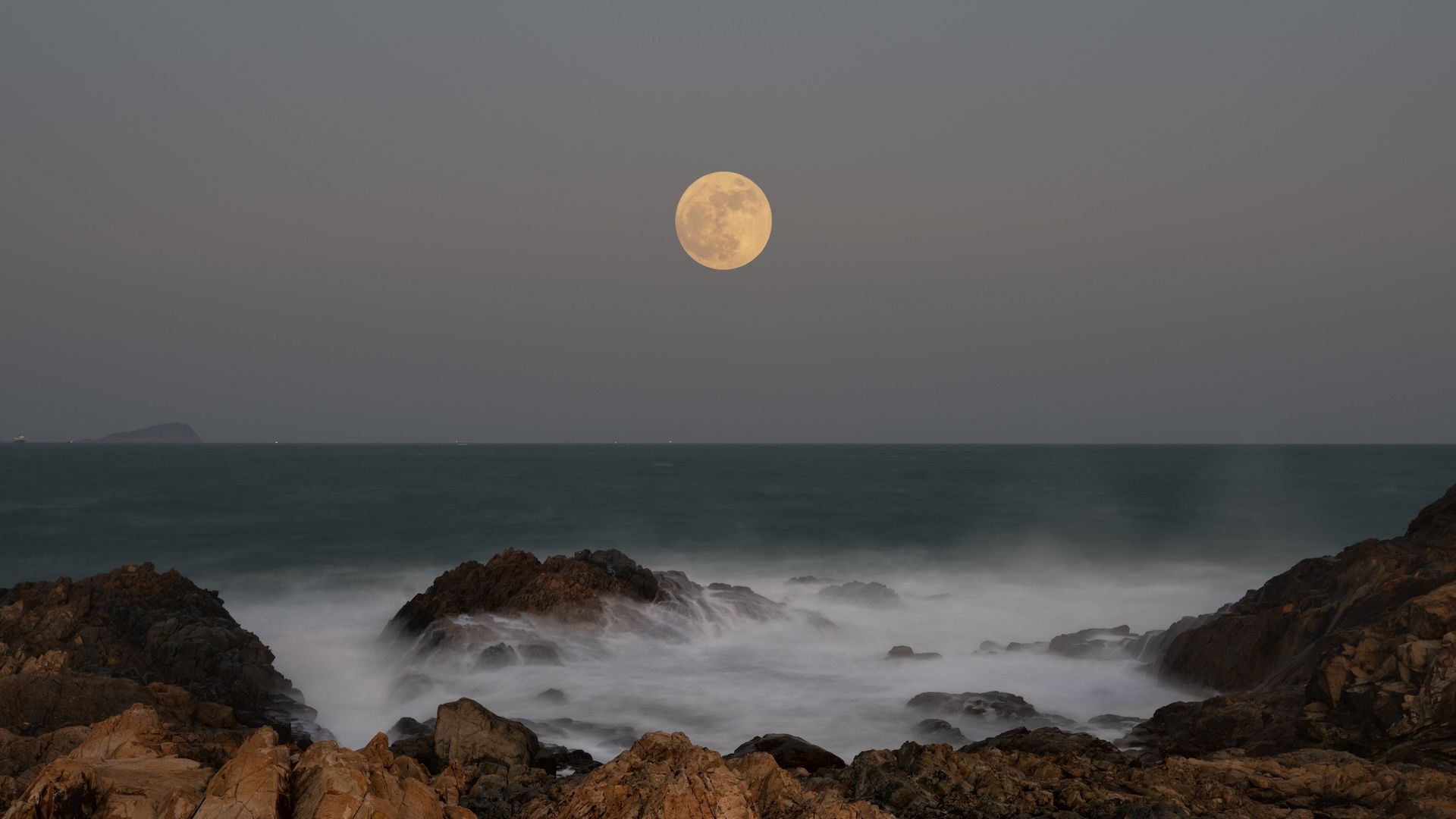
* Full Moon: Around the midpoint of the cycle, the moon appears fully illuminated. This is when it shines brightest in the sky, as Earth is positioned between the sun and the moon.
* Waning Gibbous: After the full moon, the illuminated portion begins to decrease. “Waning” means shrinking, so the moon starts to lose its brightness.
* Last Quarter: Similar to the first quarter, half of the moon is illuminated, but on the opposite side. This marks the third quarter of the lunar cycle.
* Waning Crescent: The illuminated sliver continues to shrink until it disappears, returning the moon to the new moon phase.
Special events: Eclipses and the Lunar Cycle
The new moon phase holds a special meaning. It’s the only time a solar eclipse can occur, when the moon passes between the sun and Earth, blocking the sun’s light.
Remarkably, 2026 will feature two central solar eclipses:
* Annular Solar Eclipse: February 17th
* Total Solar Eclipse: August 12th
Why is Understanding the moon Phases Vital?
Beyond their aesthetic appeal, the moon phases have influenced human culture and practices for centuries. Historically, they’ve been used for timekeeping, navigation, and agricultural planning. Even today, understanding the lunar cycle can enhance your gratitude of the night sky and the natural world around you.
So, next time you look up at the moon, remember the fascinating journey it’s on, and the beautiful interplay of light and shadow that creates its ever-changing face.You’ll be observing a celestial event that has captivated humanity for millennia.
Related reading