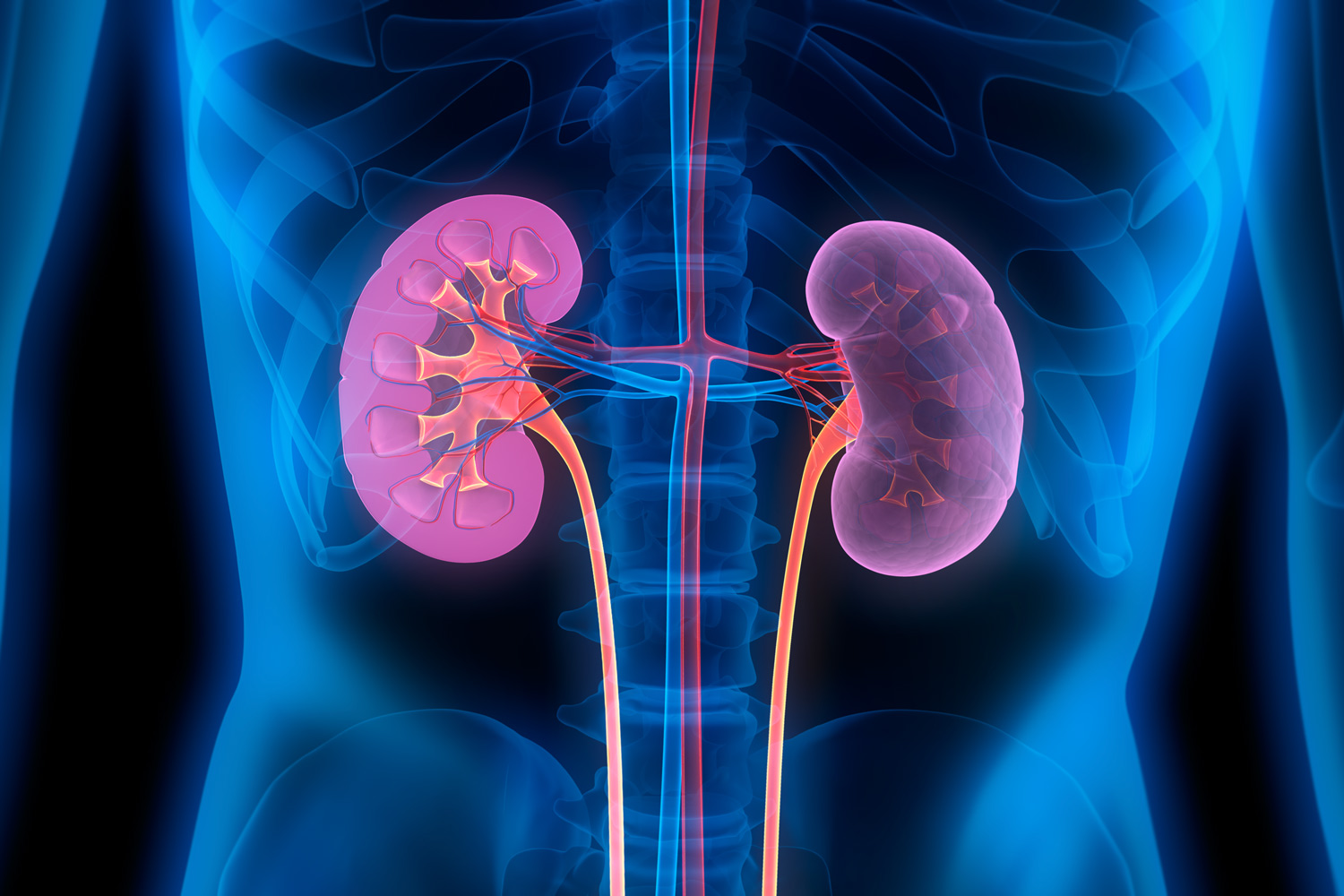
Researchers leading a major Australasian clinical trial report that a standardised peritoneal dialysis training programme called TEACH-PD did not reduce infection rates and was linked to a small increase in risk. The trial, spanning 1,462 patients across Australia and New Zealand, offers crucial insights into training complexities.
Australasian Trial Examines Standardised Home Dialysis Training Across 42 Centres
A large-scale clinical study involving 1,462 patients and healthcare workers across 42 centres in Australia and New Zealand has revealed unexpected outcomes regarding standardised home dialysis training. Led by researchers at the University of Queensland, the trial evaluated a structured curriculum known as TEACH-PD. The programme was designed for individuals using peritoneal dialysis, a treatment method that allows patients to manage their condition at home rather than visiting a hospital as reported by RNZ.
Kidney dialysis systems in both countries remain under severe pressure, with specialists warning that current health infrastructure is near breaking point. Proponents of home-based care note that treating patients at home can significantly reduce expenses for public health systems. Deloitte Access Economics estimates that home peritoneal dialysis can save taxpayers in Australia $67,750 per patient annually compared with hospital-based units.
Despite these potential financial and lifestyle advantages, only a small fraction of individuals with kidney failure utilise home-based treatment. Experts note that out of 4.5 million people globally undergoing dialysis for kidney failure, just 11 percent rely on home modalities.
Infection Risk Findings and Insights Into Delivery Complexities
Contrary to expectations, the trial found that the structured TEACH-PD training curriculum did not lower infection rates among participants. Investigators observed a small rise in infection risk linked to the intervention, prompting a post-trial evaluation to investigate potential program improvements.

“Our study is the first randomised trial to examine if an internationally guided peritoneal dialysis training curriculum reduces infections compared with existing local training practices.”
Professor David Johnson, University of Queensland’s Australasian Kidney Trials Network and the Frazer Institute
Researchers emphasised that while the intervention did not immediately decrease infections, the data provides invaluable knowledge regarding how clinical training is delivered. Professor Yeoung Jee Cho of the Australasian Kidney Trials Network noted that the project demonstrated a measurable impact of training methods on patient safety.
“The TEACH-PD intervention was associated with a small increase in infection risk, but the findings offer invaluable insights into the complexity of training delivery and will help shape safer, more effective training programs, while minimising unintended harm.”
Professor Yeoung Jee Cho, Australasian Kidney Trials Network
Institutional Collaboration and Broader Perspectives on Home Treatment
The trial’s findings connect with separate research efforts examining why patients often hesitate to select home-based dialysis. Studies conducted in partnership with patients, families, and kidney charities reveal that hospital dialysis is frequently presented as the default option by medical professionals. Additional barriers include concerns about domestic modifications, fears of family members becoming overburdened caregivers, and the social contact patients experience during regular clinic visits.
While the NHS in the United Kingdom recommends that at least 20 percent of dialysis patients in every renal centre receive home treatment, many regional clinics fall short of this target. Investigators note that delayed future planning, unpredictable disease progression, and limited staff training in home modalities often steer patients toward facility-based care.
Related reading