Catholics in Eastern Africa concluded their 21st Plenary Assembly in Nairobi on July 26, 2026, committing to a four-year pastoral priority plan focused on youth. Church leaders elected Archbishop Gervas John Mwasikwabhila Nyaisonga as chairman and issued sharp warnings to political figures against exploiting young people during elections.
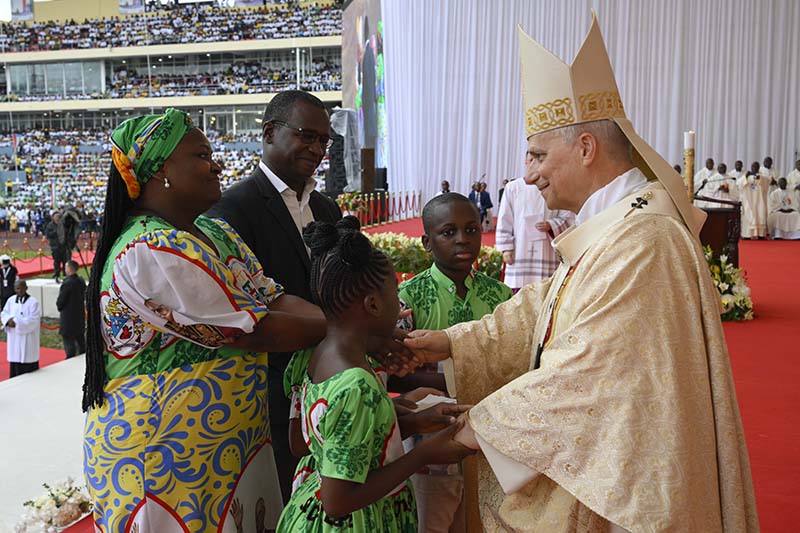
The Association of Member Episcopal Conferences in Eastern Africa wrapped up an eight-day gathering at the Loreto Msongari Grounds, bringing together bishops, clergy, and lay delegates from across the region. The assembly operated under the theme AMECEA’s Synodal Journey with Young People: Building Bridges of Communion, Hope, Justice and Good Governance, establishing a concrete roadmap for church and civic engagement through 2030.
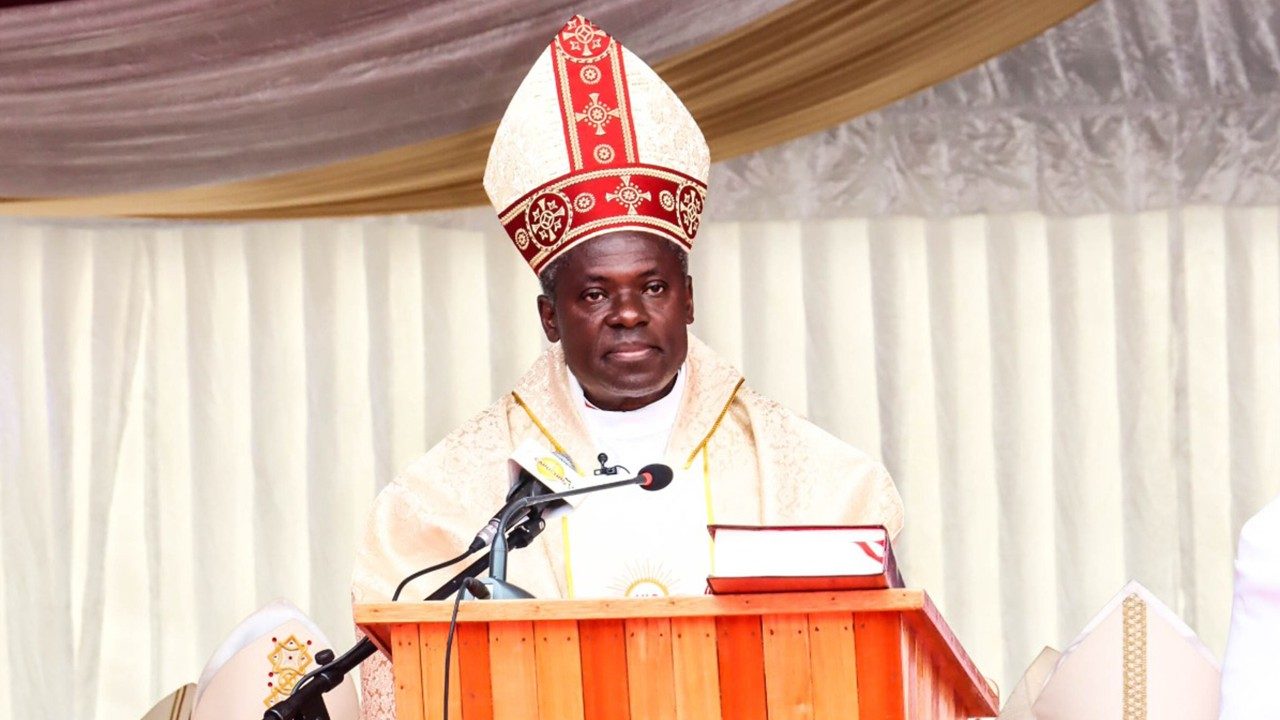
Archbishop Gervas John Mwasikwabhila Nyaisonga Elected to Lead AMECEA
Delegates elected Archbishop Gervas John Mwasikwabhila Nyaisonga of the Catholic Archdiocese of Mbeya, Tanzania, to serve as the new chairman of the regional episcopal body. Presiding over the closing Eucharistic celebration on Sunday morning, Archbishop Nyaisonga acknowledged the weight of his new mandate by referencing biblical leadership. The newly elected chairman told the congregation that he identifies closely with Solomon’s prayer for wisdom as he takes up leadership of the Catholic service organization.
AMECEA coordinates National Episcopal Conferences across eight core nations—Eritrea, Ethiopia, Kenya, Malawi, South Sudan, Sudan, Tanzania, and Uganda—alongside affiliate members Djibouti and Somalia.
Direct Warnings to Political Leaders Over Youth Exploitation
In their final communique released on July 26, 2026, the region’s bishops addressed political authorities directly, condemning the manipulation of vulnerable demographics during electoral cycles. The bishops’ statement underscored grievances voiced by young participants throughout the week regarding systemic neglect once ballots are cast.
20-07-2026 | AMECEA 21ST PLENARY ASSEMBLY 2026 | DAY 2
“Young people told us plainly that they often feel used during election seasons and forgotten once the votes are counted. We call for an end to any exploitation and misuse of young people, taking advantage of their destitution for selfish political gain. Instead, we invite political leaders to become leaders who inspire hope among young people.”
Photo: Africa Science News
AMECEA Bishops, Final Message
Panel discussions moderated by journalist Linus Kaikai featured sharp testimony from youth delegates, including Joseph Bill Oburu from Kenya, who graduated with a Bachelor of Architectural Studies from Kenyatta University. Oburu told assembly participants that graduates across the continent face profound uncertainty, noting that many view the Church as an absolute last resort when seeking guidance and mentorship.
Other youth representatives, including Olwormundu Tonny Blair from Uganda and Wani Georgette George from South Sudan, connected economic disenfranchisement directly to broader social crises. Madam Evelyn Malisa, a parent representative from Tanzania, noted that high unemployment strips young people of personal dignity, straining family formation and spiritual life. Rev. Alfred Chaima, Bishop of the Catholic Diocese of Zomba, to confirm that mental wellness is now prioritized as an active pastoral concern for the Church.
Four-Year Pastoral Framework and Environmental Stewardship
To address these challenges, church leadership committed to a four-year action plan establishing dedicated youth desks, digital missionary training networks, and enhanced safeguarding protocols. The bishops also called for broader institutional partnerships with governments, educational providers, and corporate entities to expand entrepreneurship and safe migration pathways.
Photo: OSV News
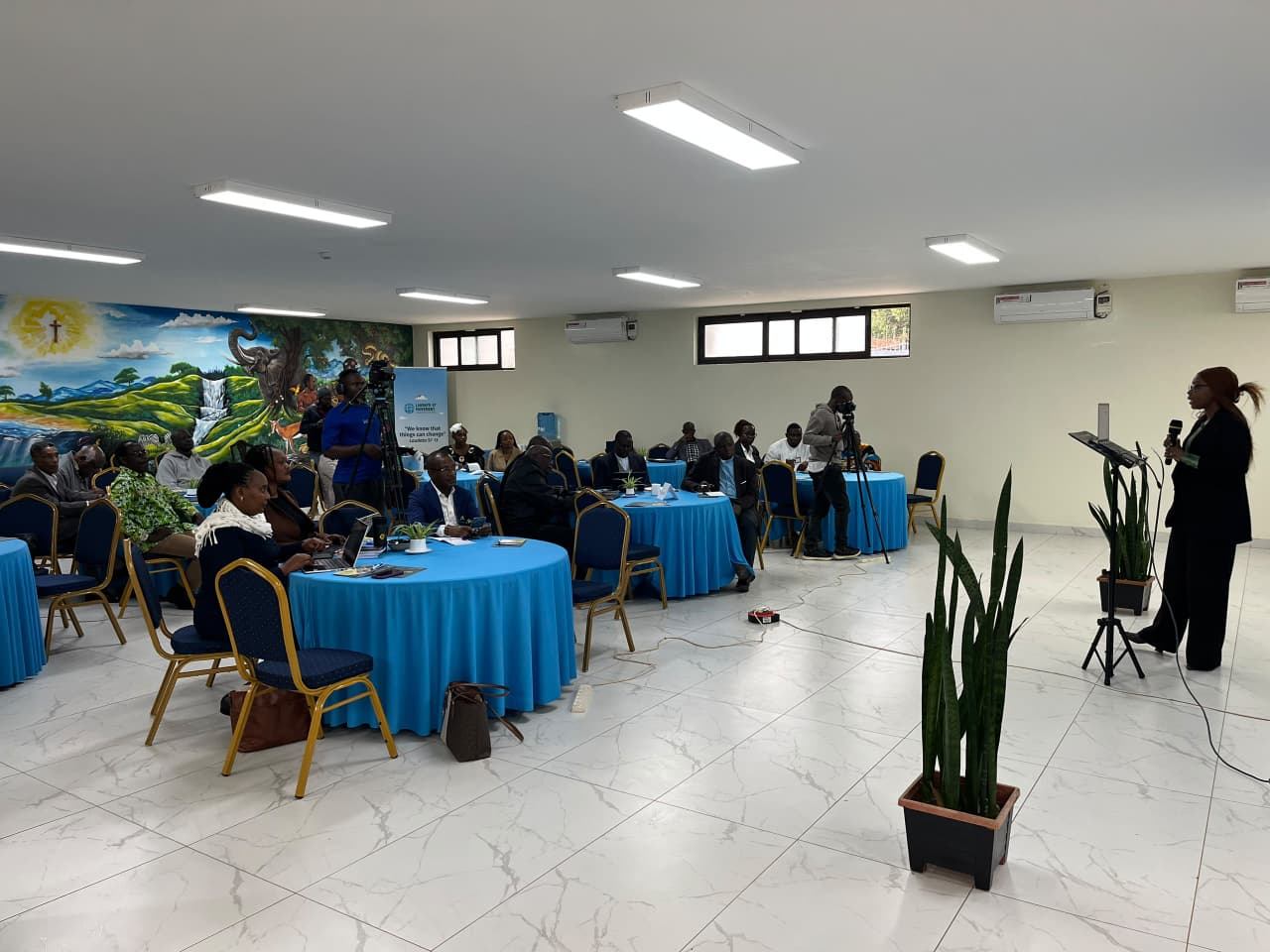
The Nairobi assembly dovetailed with regional advocacy surrounding ecological justice. During a concurrent strategic convening organized by the Laudato Si’ Movement Africa, participants examined the human and environmental tolls of extractive industries, specifically highlighting community testimonies regarding land acquisition concerns tied to the East African Crude Oil Pipeline project.
Leaders emphasized that faith institutions carry a moral imperative to divest from carbon-intensive activities and redirect capital toward community resilience and renewable energy. As the assembly closed, delegates urged all people of goodwill to support ongoing initiatives aimed at building durable foundations for peace, governance, and human dignity across Eastern Africa.